
When hurricanes, torrential rainfall and flash flooding strike South Carolina, roads can disappear beneath rising water, homes can become isolated islands, and residents can find themselves trapped with only minutes separating rescue from tragedy. Preparing for those moments requires specialized personnel who are not merely comfortable around the water, but trained to operate, survive and rescue others in some of the most dangerous conditions a disaster can produce.
Elements of the South Carolina State Guard (State Defense Force – SCSG) Dive Team and Search and Rescue Team recently conducted extensive training exercises, continuing to perfect the specialized skills required when called upon by the Governor or in support of state, county and local authorities. The training showcased an important component of the State Guard’s emergency-response capabilities: personnel prepared to operate on, in and beneath the water when conventional ground access may no longer be possible.
Training for the Moment the Water Takes Over
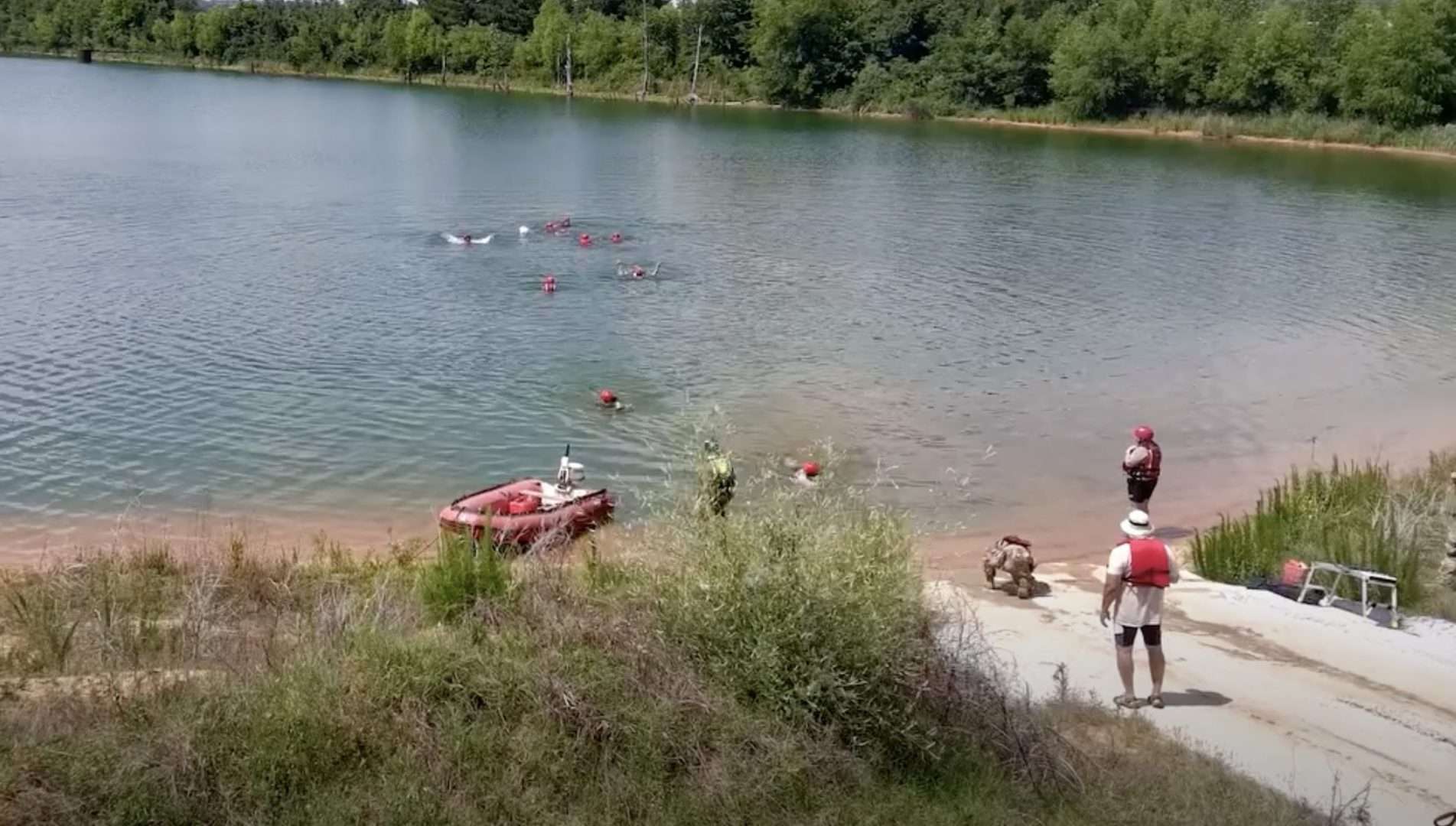
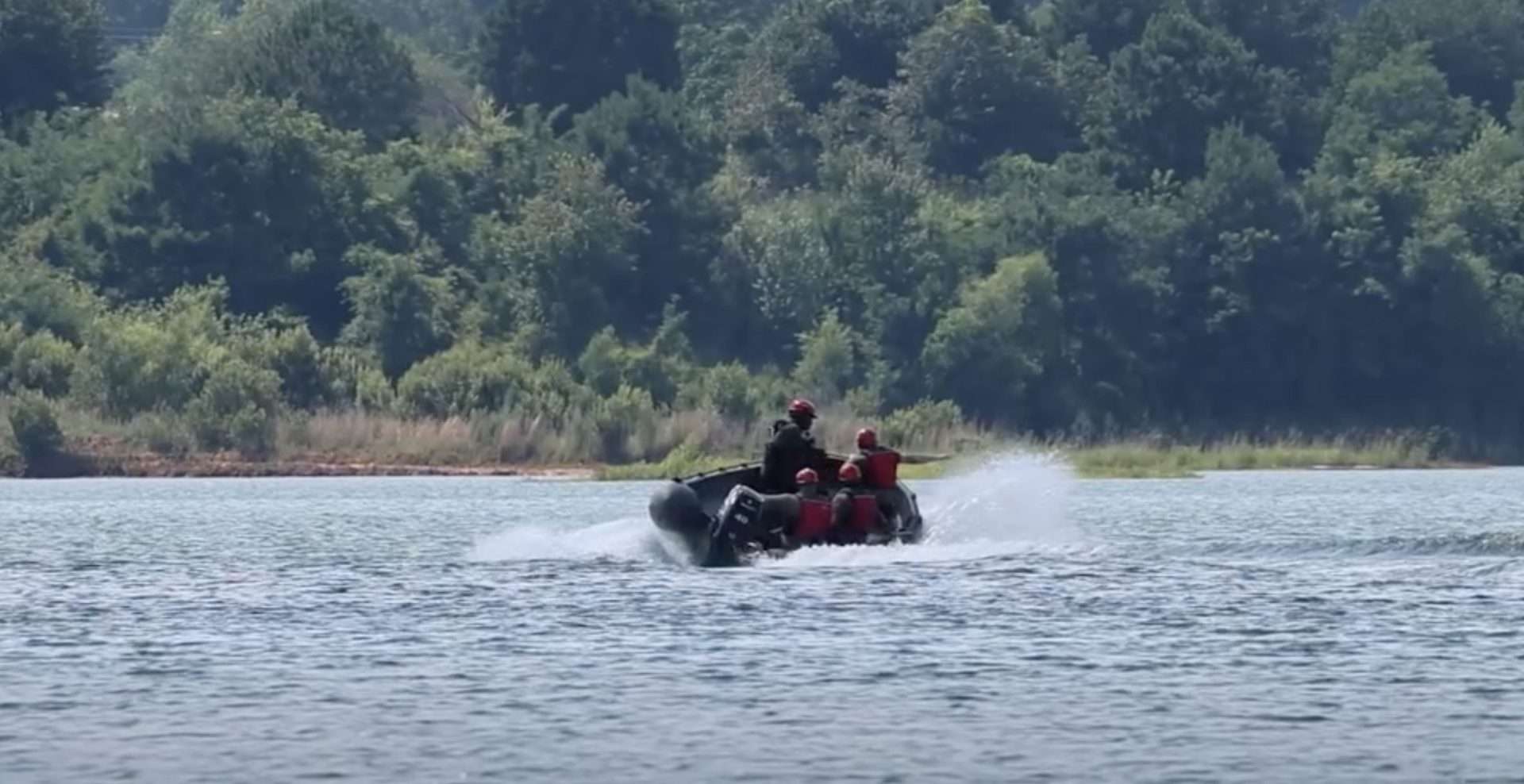
During maritime training, South Carolina State Guardsmen took boats onto the water and practiced the fundamentals necessary to safely operate in an aquatic environment.
That preparation extends well beyond simply learning how to operate a boat.
Personnel train to function in the water while carrying equipment, manage themselves in difficult conditions and maintain the endurance necessary for operations that could continue for extended periods. Swimming proficiency and physical conditioning become particularly important because, during an actual rescue, a responder may have to reach a person who is exhausted, injured, panicking or struggling to remain above the surface.
In such circumstances, a strong swimmer is not simply demonstrating physical fitness. Swimming ability can become a lifesaving military emergency-response skill.
Floodwater can also be considerably more dangerous than an ordinary swimming environment. South Carolina Emergency Management Division warns that moving water can knock an adult off their feet with surprisingly little depth, while floodwaters can contain debris, sewage, petroleum products, electrical hazards and other contaminants.
State Guard personnel therefore must be prepared to function in an environment where visibility can be poor, currents unpredictable and obstacles concealed beneath the surface.
Preparing for Capsized Boats and Emergency Survival
Another essential part of maritime preparedness involves knowing what to do when the rescuers themselves encounter an emergency.
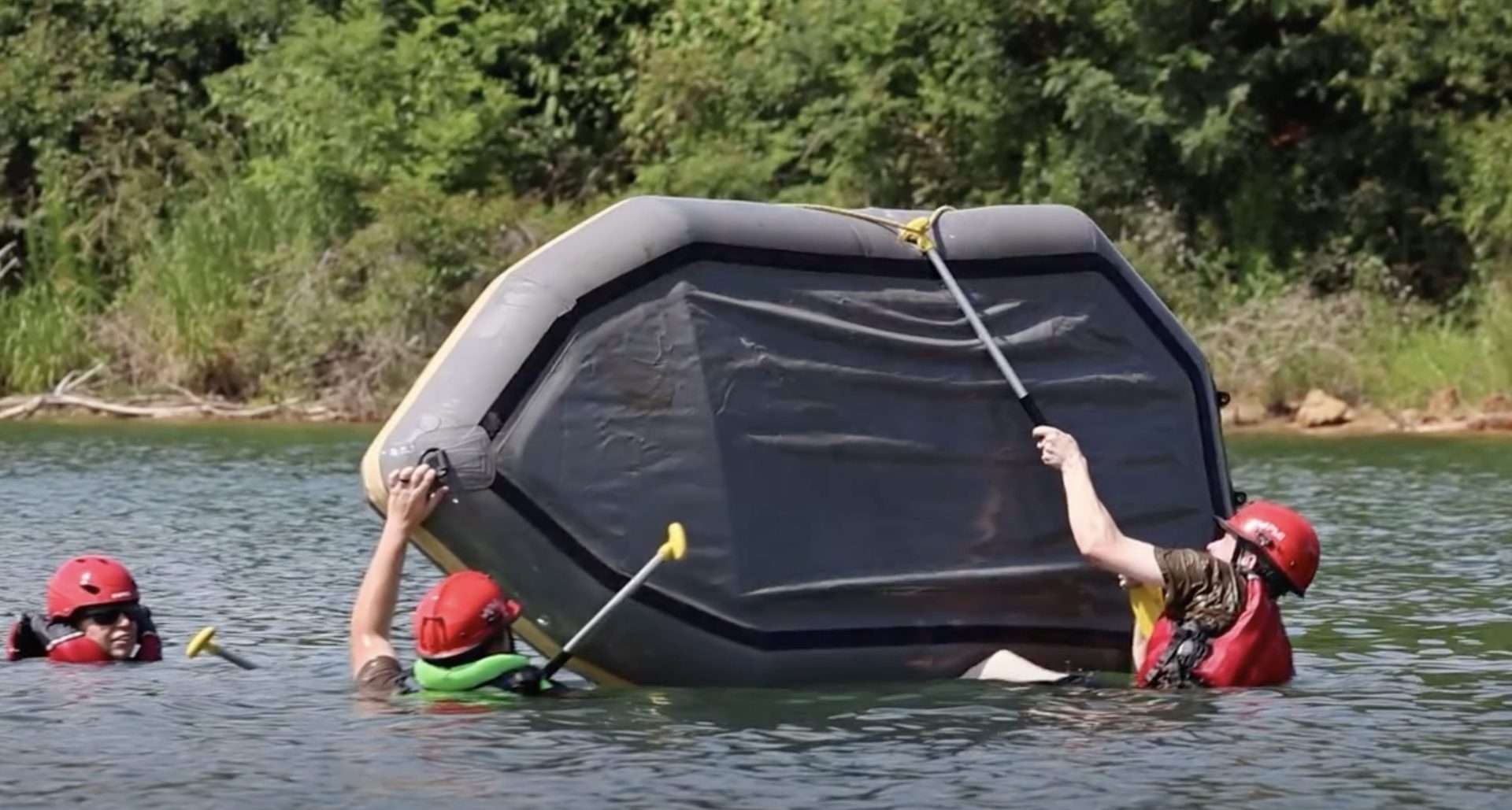
Personnel practiced emergency procedures associated with boats and rafts becoming disabled or capsizing. Training for these scenarios helps troops learn how to remain composed, account for team members, protect critical equipment and safely recover when circumstances suddenly deteriorate.
That skill becomes especially important during hurricane and flood operations.
A rescue crew may be maneuvering through submerged roads, around structures, vehicles, trees and floating debris while operating in poor weather and changing water conditions. A boat that overturns during those operations instantly transforms rescuers into potential victims unless the crew has repeatedly practiced what to do next.
The objective of this type of training is therefore not simply proficiency. it is developing reactions that personnel can fall back upon when an emergency leaves little time for deliberation.
Beneath the Surface: The South Carolina State Guard Dive Team
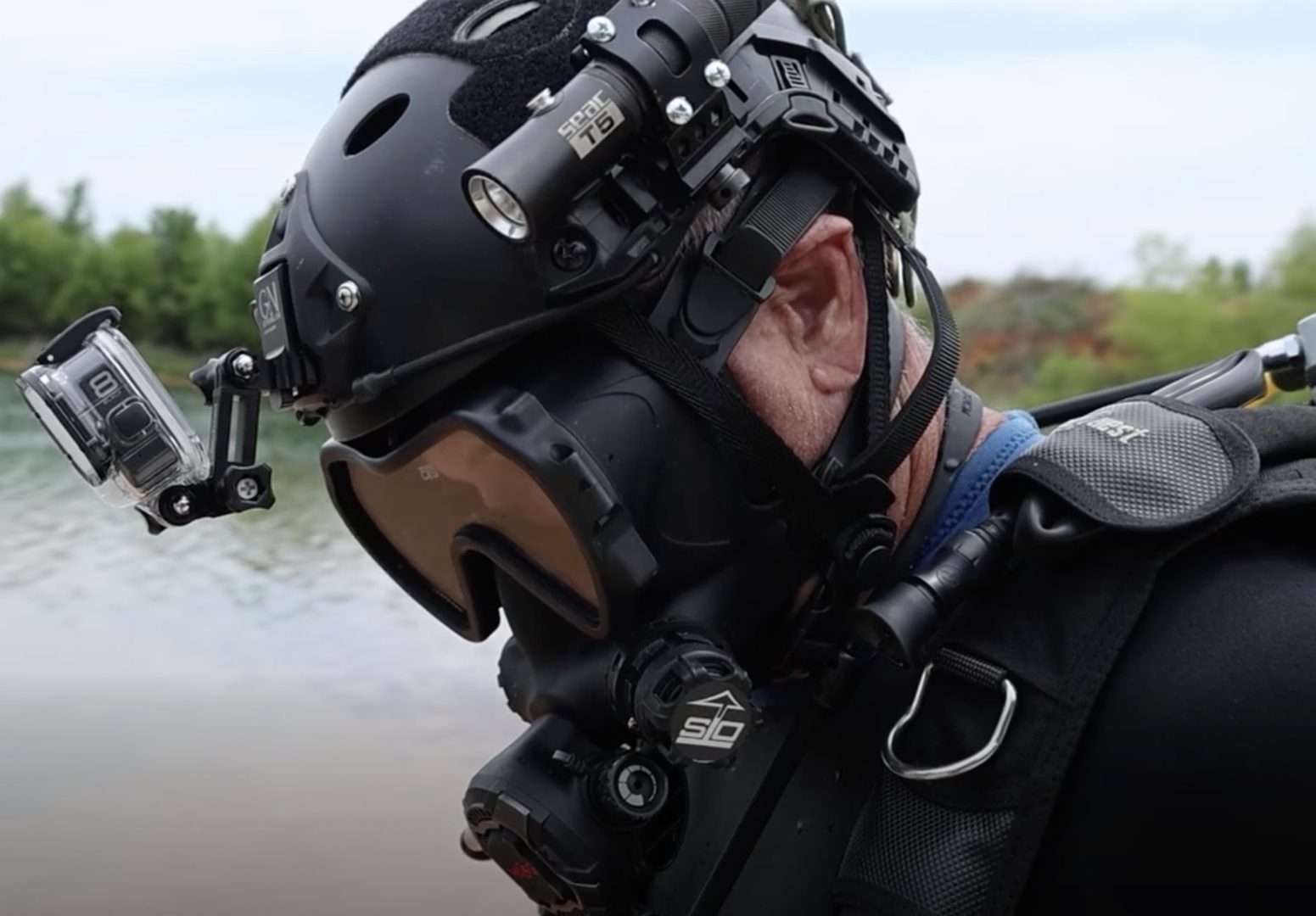
Among the State Guard’s most specialized Search and Rescue assets is its Dive Team, part of the organization’s Search and Rescue Command, or SARCOM. Public descriptions of the unit identify its members as skilled public-safety and law-enforcement divers.
Their mission introduces an entirely different dimension to emergency response.
When a person disappears beneath the surface, time becomes critical. Divers capable of rapidly entering the water, conducting an organized underwater search and locating a submerged victim provide authorities with another specialized resource during water emergencies.
These capabilities can also support recovery operations.
Underwater teams can assist authorities in locating submerged objects, debris or other materials that may need to be recovered following an accident, storm or other incident. Similar specialized public-safety diving capabilities are maintained by agencies across South Carolina because many investigations and disaster-response operations do not end at the waterline.
The State Guard’s teams can therefore provide an additional trained capability when state or local resources require augmentation.
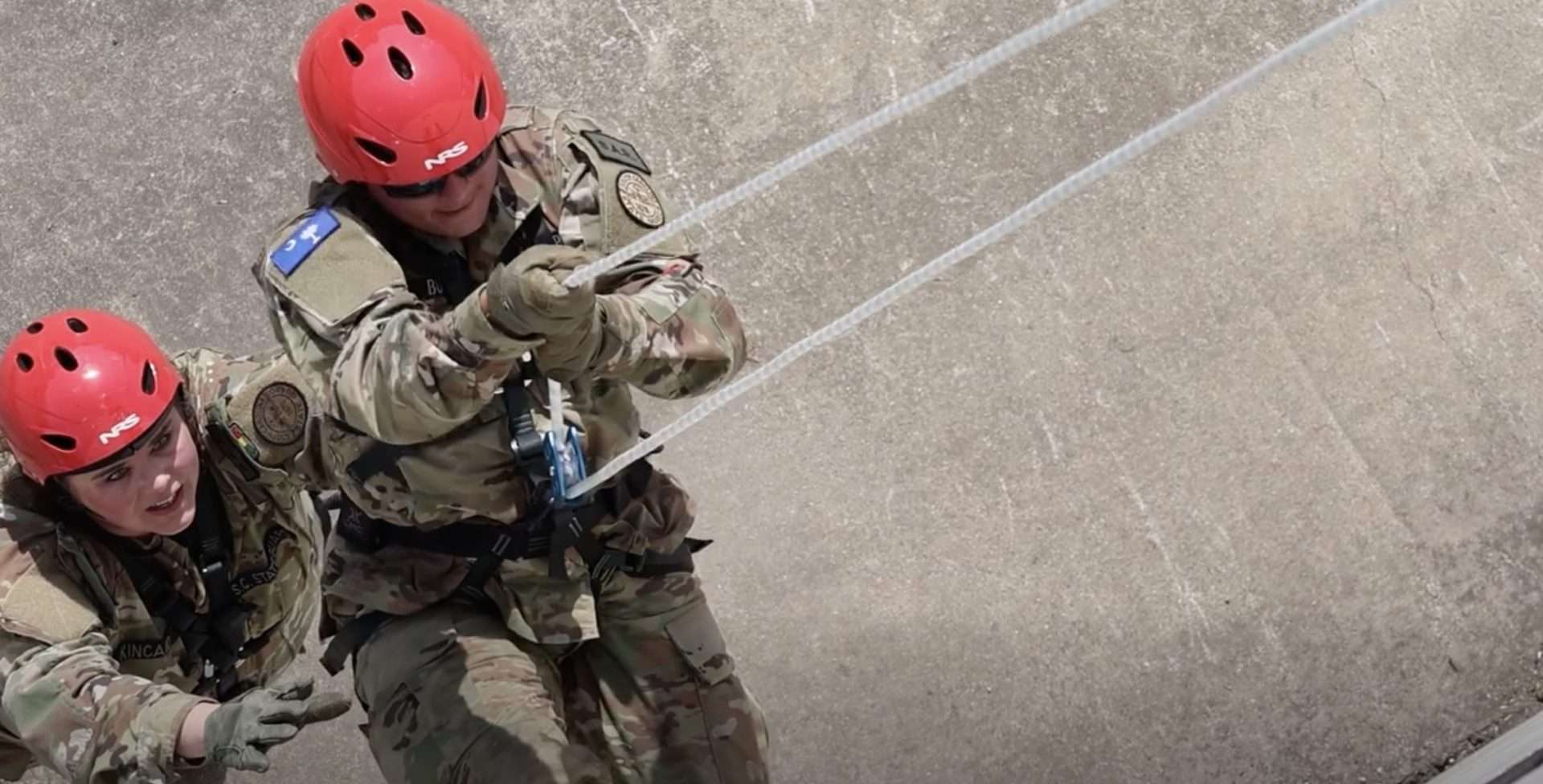
Search and Rescue From Above as Well as Below
South Carolina State Guard Search and Rescue personnel are not limited to operations on the water.
Their training also prepares them for situations in which an injured or stranded individual must be removed from difficult or elevated locations.
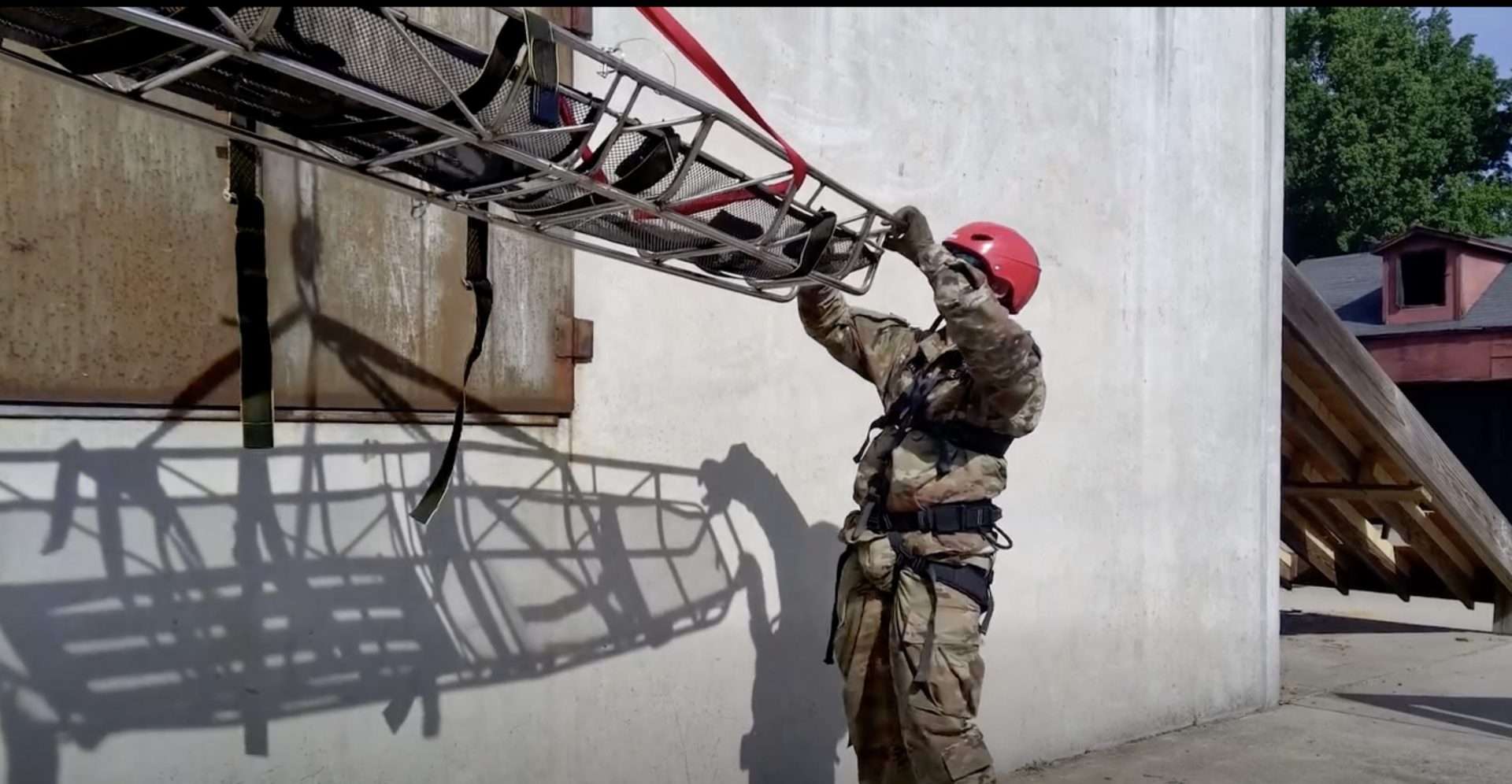
Using specialized rescue equipment and extraction techniques, trained personnel can help move casualties from areas where simply carrying someone out may be impossible or could worsen an existing injury.
During these operations, the objective is not merely reaching the victim. Rescue personnel must stabilize the individual and conduct the extraction in a controlled manner that minimizes unnecessary movement and reduces the possibility of aggravating injuries.
That capability can become particularly valuable following severe storms and floods, when damaged structures, washed-out roads, steep terrain and inaccessible buildings may prevent conventional emergency vehicles from reaching casualties.
South Carolina Faces a Significant Flood Threat
For South Carolina, maintaining this kind of maritime capability is particularly important.
The South Carolina Emergency Management Division describes the state as one of the nation’s most vulnerable to hurricanes and tropical storms. South Carolina has 187 miles of Atlantic coastline, while inland communities throughout the state can also experience destructive rainfall and river flooding associated with tropical systems.
Recent events demonstrate that the threat is not confined to the immediate coastline.
SCEMD reports that riverine flooding has become one of South Carolina’s more common hazards, with three major flooding events affecting the state since August 2024 alone. Hurricane Debby brought more than 15 inches of rain to portions of Dorchester, Charleston and Colleton counties in August 2024. Just a month later, Hurricane Helene produced more than 15 inches across parts of Greenville, Pickens and Oconee counties and caused record flooding along several rivers. Another major rainfall event followed in November 2024.
Hurricane Helene ultimately became South Carolina’s most destructive storm since Hurricane Hugo in 1989 despite not making a direct landfall in the state.
Perhaps most significant for emergency planners is the danger posed by water itself. SCEMD, citing NOAA, reports that storm-surge inundation and inland flooding together account for nearly 90 percent of fatalities associated with tropical cyclones in the United States.
Long-term coastal trends make preparedness increasingly important as well. NOAA reports substantial increases in high-tide flooding along the Southeast Atlantic coast, while climate research indicates that warmer atmospheric conditions can contribute to heavier extreme precipitation and rising sea levels can increase the risk of severe coastal flooding.
Those realities make trained maritime rescue personnel increasingly valuable.
A Capability That Can Save Lives
During a major disaster, professional firefighters, law-enforcement officers, emergency medical personnel, rescue squads and state agencies can rapidly become stretched across hundreds or even thousands of simultaneous incidents.
That is where a capable State Defense Force can provide enormous value.
A flooded neighborhood may require boats.
A missing victim may require divers.
A person stranded in an inaccessible structure may require specialized extraction equipment.
A hurricane affecting multiple counties may require all of those capabilities simultaneously.
The training recently conducted by the South Carolina State Guard Dive Team and Search and Rescue Team is therefore about far more than completing another exercise. Every hour spent operating boats, swimming with equipment, practicing capsize procedures, conducting underwater operations and rehearsing technical rescues improves the ability of these soldiers to respond when South Carolinians need them most.
When floodwaters are rising and lives are in danger, there may be only minutes to act. Having trained maritime Search and Rescue personnel already organized, equipped and prepared can make those minutes count.
The South Carolina State Guard continues to recruit dedicated individuals interested in serving their communities and protecting the citizens of South Carolina when called upon by the Governor and state or local authorities. Its Dive and Search and Rescue personnel represent just one example of the highly specialized capabilities State Defense Forces can provide their states when disaster strikes.
StateDefenseForce.com would like to recognize the incredible and amazing work The Commander of The South Carolina State Guard, Major General Leon Lott, has been doing recently. Drastically expanding the capability and importance of Their State Guard. We also would like to recognize their Public Affairs Team who bring this training & State Active Duty missions to the public so we can learn from one another and honor those that serve. That team is led by Major David Finleyson and Captain Joseph Goldsmith.
Source: South Carolina State Guard