Virginia Defense Force Cyber Warriors Join Massive Cyber Fortress 26 Exercise
Across the United States, State Defense Forces / State Guards are increasingly developing specialized cyber units capable of bringing their civilian technical expertise directly into state military service. Virginia’s 31st Cyber Battalion, the Texas State Guard Cyber Security Unit, and Ohio’s Cyber Reserve are examples of states building organized cyber capabilities designed to protect government networks, critical infrastructure and local communities. Ohio law, for example, places the Ohio Cyber Reserve within the state’s organized militia, while Texas has codified a cybersecurity role for its State Guard.
This is one of the missions where State Defense Forces can particularly shine. Their ranks can draw from highly skilled civilian cybersecurity professionals, network and systems administrators, engineers, software specialists and other information-technology experts who already spend their civilian careers working with complex computer systems. Rather than attempting to build that experience from the ground up, a state can organize these volunteers into military units, recognize and further develop their existing skills, and employ them as a force multiplier alongside the National Guard. The Virginia Defense Force’s 31st Cyber Battalion is staffed by IT professionals holding a wide variety of industry-recognized certifications, and its cyber teams have been validated by the Virginia National Guard’s 91st Cyber Brigade before conducting cybersecurity missions throughout the Commonwealth.
That partnership was again on display during Cyber Fortress 26, one of the nation’s premier military exercises focused on responding to significant cyber threats against critical infrastructure. From July 25 through August 8, 2026, the Virginia Defense Force joined an extraordinary collection of military, government, international and civilian organizations at the State Military Reservation in Virginia Beach for a massive joint, interagency, intergovernmental and multinational cyber exercise hosted by the Virginia Army National Guard’s 91st Cyber Brigade and the Virginia Department of Emergency Management.
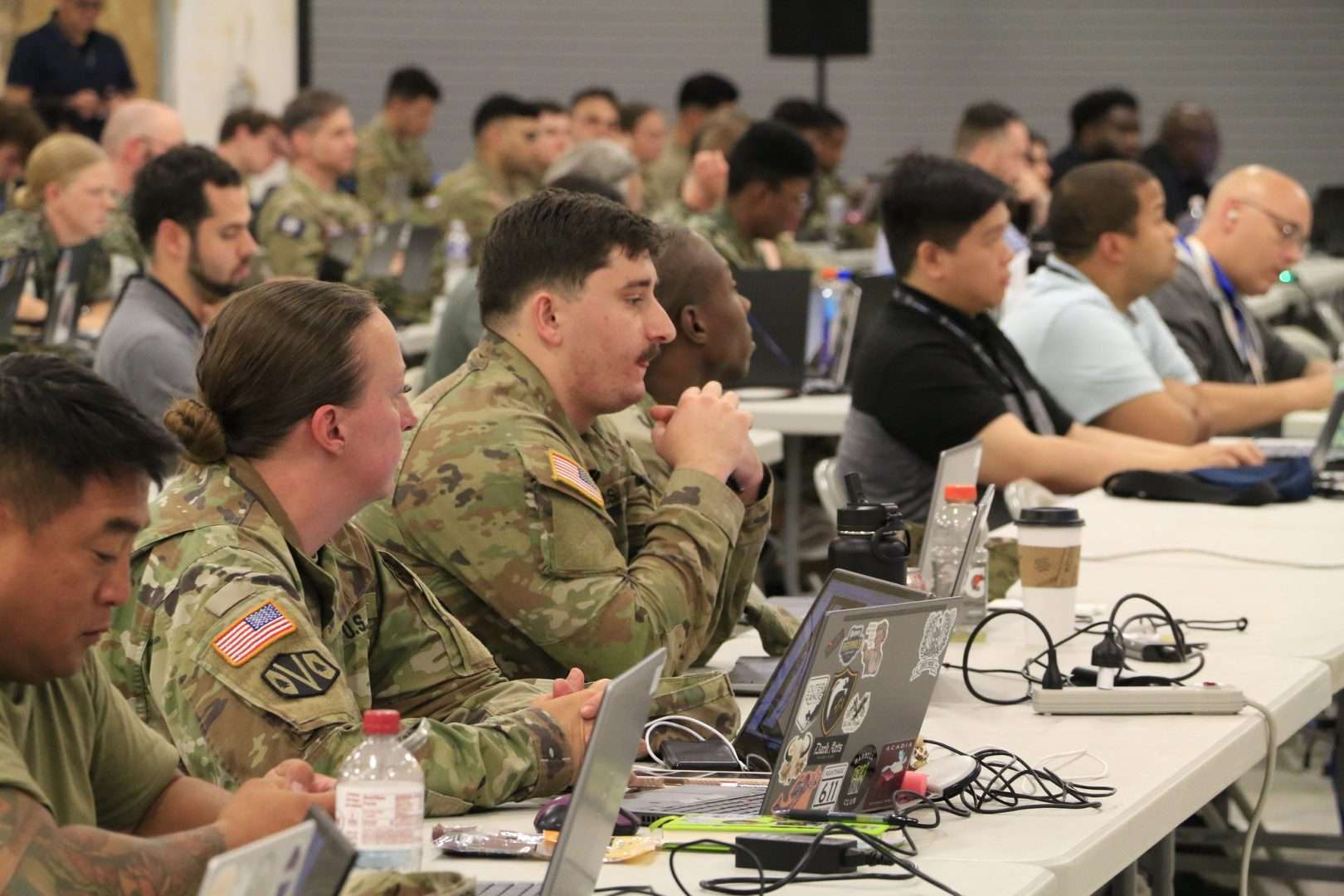
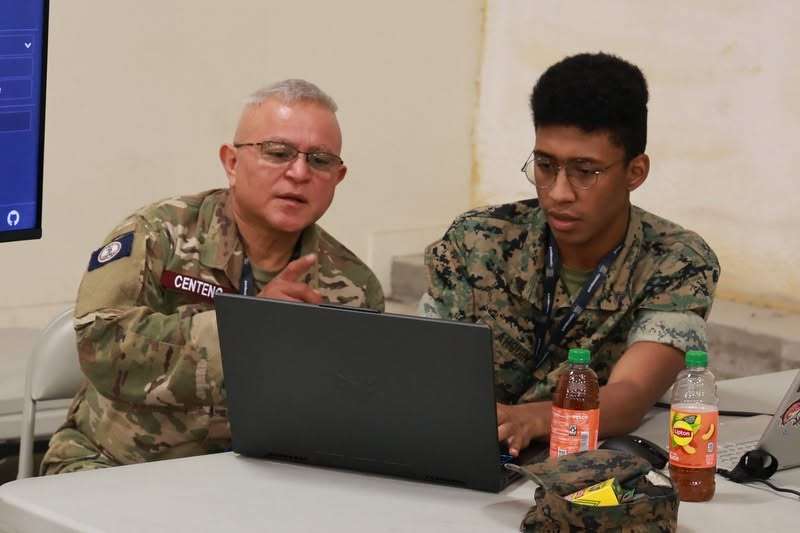
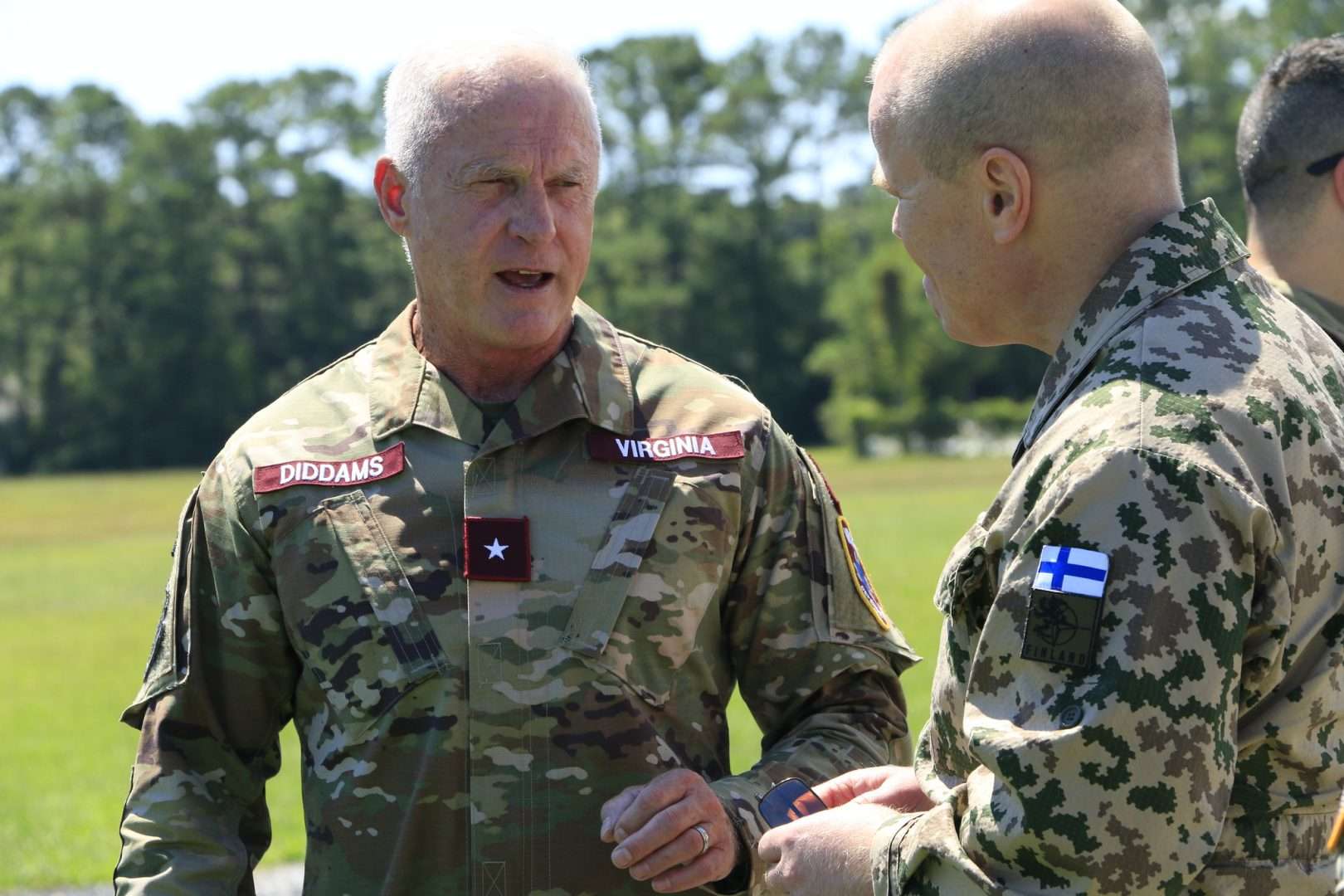
The scope of Cyber Fortress 26 demonstrated just how complicated a major cyberattack on the United States could become. Participants included US Military Active Duty troops like The US Marine Corps, US Army Reserve personnel, National Guard Soldiers & Airmen, the Virginia Defense Force, the Virginia Department of Emergency Management, Virginia State Police as well as senior agencies like The Federal Bureau of Investigation. Military cyber personnel from NATO allies Finland and Estonia also participated, turning the exercise into a multinational effort to prepare for threats that may cross organizational, geographic and national boundaries.
At the center of the exercise was the Virginia Army National Guard’s 91st Cyber Brigade, a formation with a footprint extending across 31 states and battalion headquarters in Virginia, South Carolina, Massachusetts and Indiana. During Cyber Fortress 26, South Carolina National Guard’s 125th Cyber Protection Battalion was validated, while California National Guard Cyber Protection Team 171 and Ohio National Guard Cyber Protection Team 172 underwent recertification. According to 91st Cyber Brigade commander Col. Gerald Mazur, the brigade represents the Army’s deployable cyberspace-operations capability.
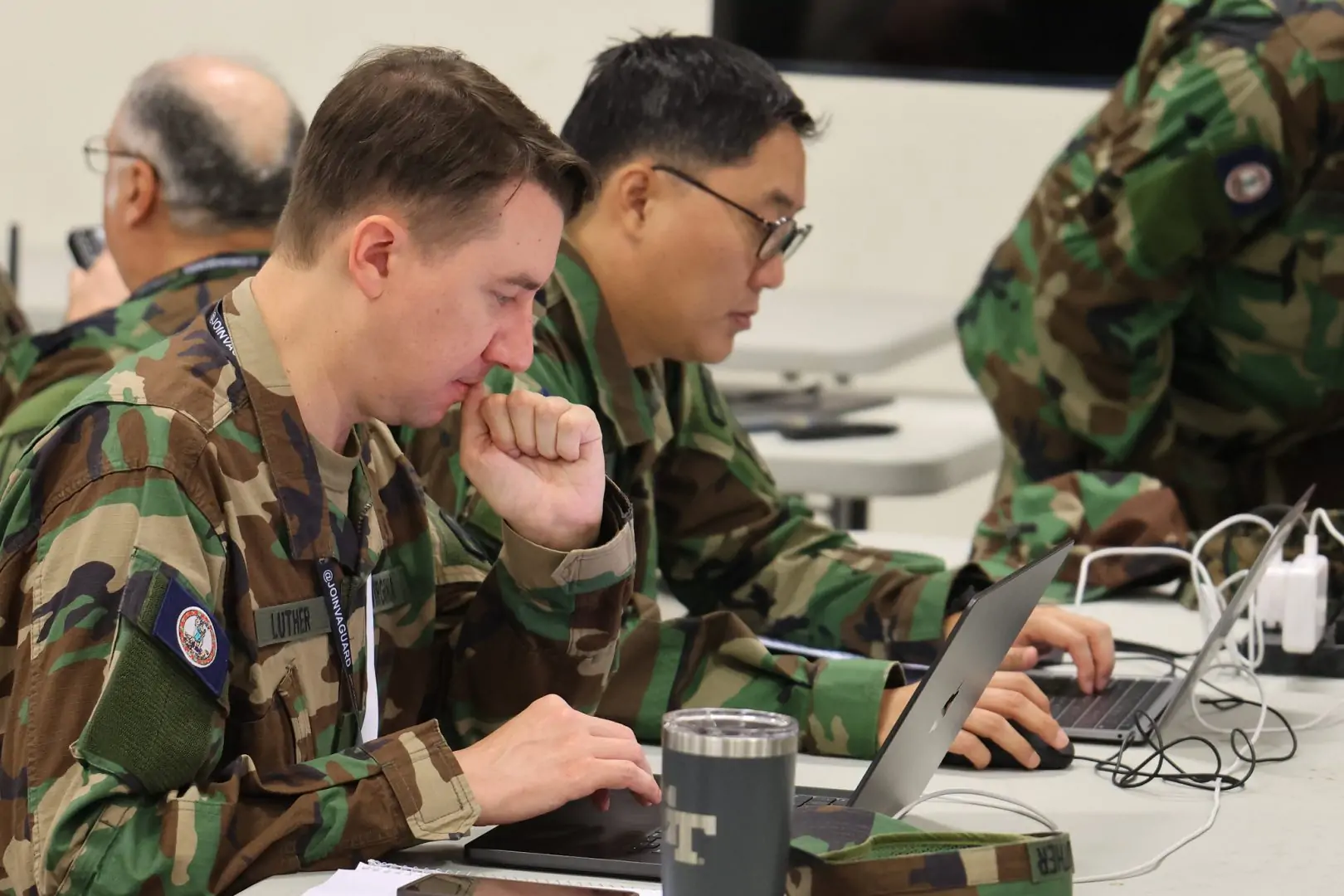
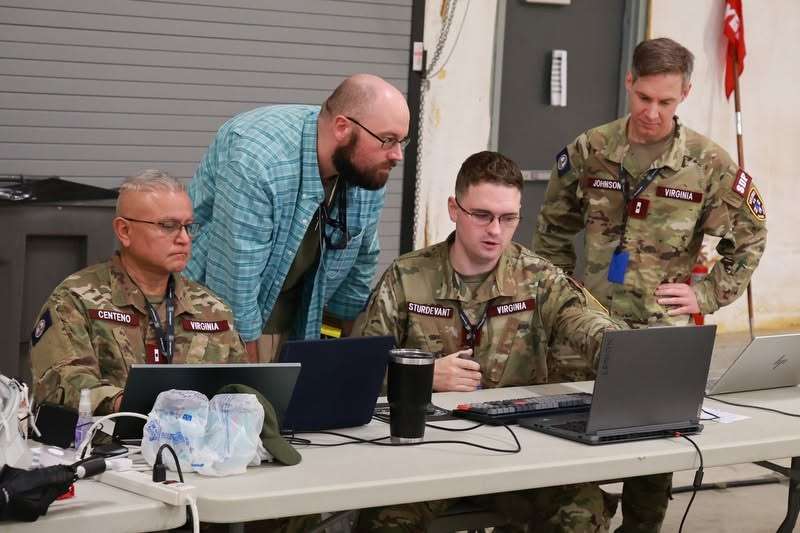
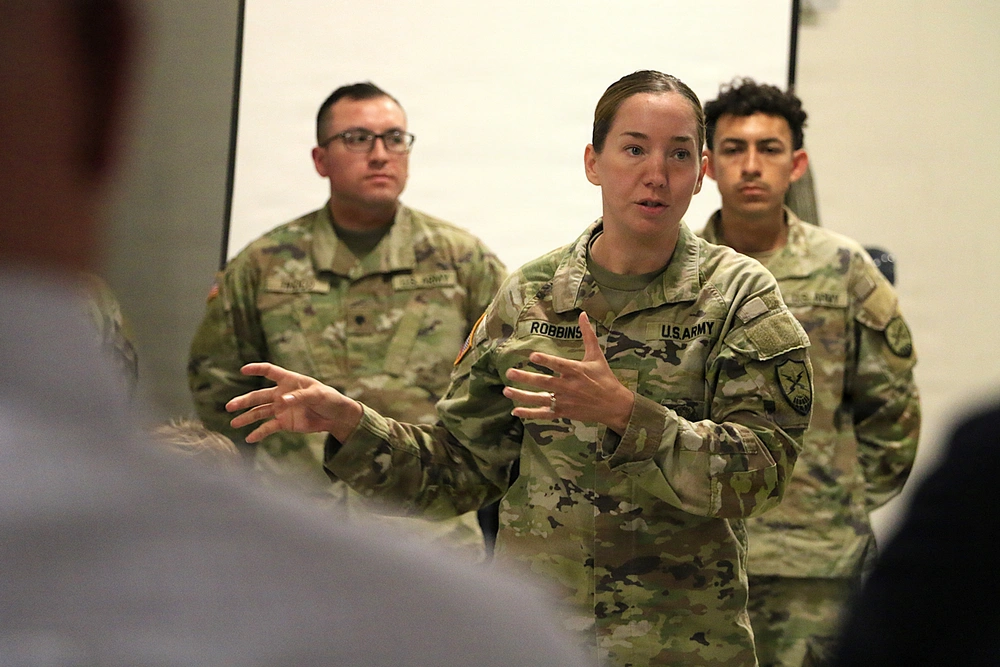
The Virginia Defense Force was not simply observing the exercise. Members of its 31st Cyber Battalion, 1st Regiment worked alongside military and civilian cyber operators throughout Cyber Fortress 26. The battalion’s stated mission is to enhance cybersecurity throughout the Commonwealth by serving as a force multiplier for the Virginia Department of Military Affairs. During the exercise, Major (VA) Karl J. Blinkinsop, commander of the 31st Cyber Battalion, recognized VDF personnel for outstanding duty performance, while Virginia Defense Force commander Brig. Gen. (Va.) Rich Diddams participated alongside military and civilian leaders during Cyber Fortress 26’s Distinguished Visitors Day.
Cyber Fortress 26 itself consisted of two major efforts. In addition to the certification and validation of National Guard cyber formations, participants faced a domestic cyber-response scenario centered on hydroelectric infrastructure. This placed the exercise firmly in the realm of operational technology: the computer systems that interact with physical machinery and infrastructure, including industrial control systems and Supervisory Control and Data Acquisition, or SCADA, systems. Participants received training in operational-technology cybersecurity, cyber threat intelligence, malware analysis and electrical systems.
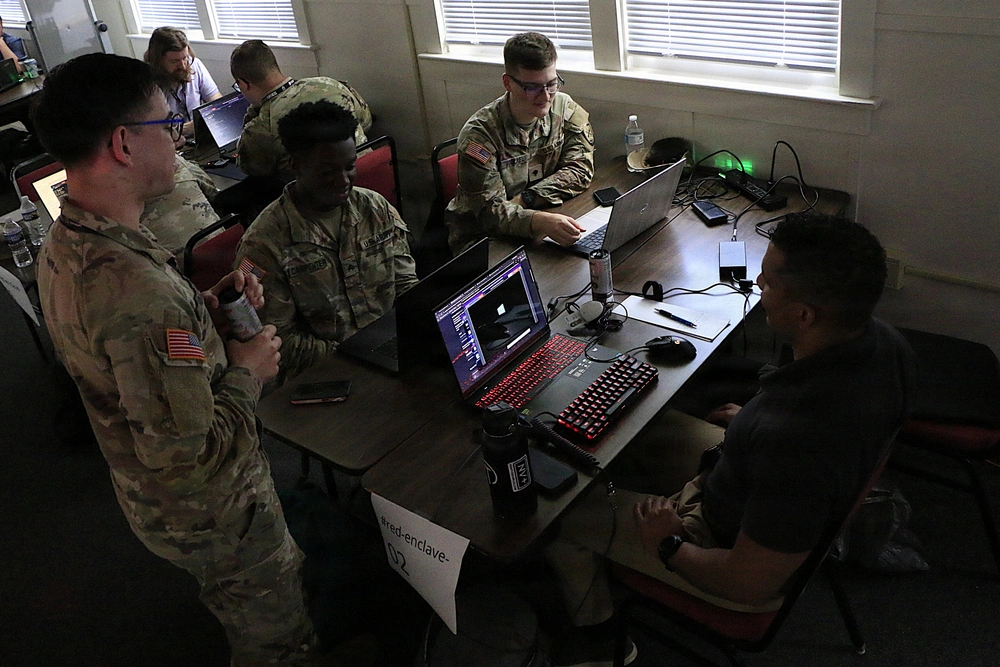
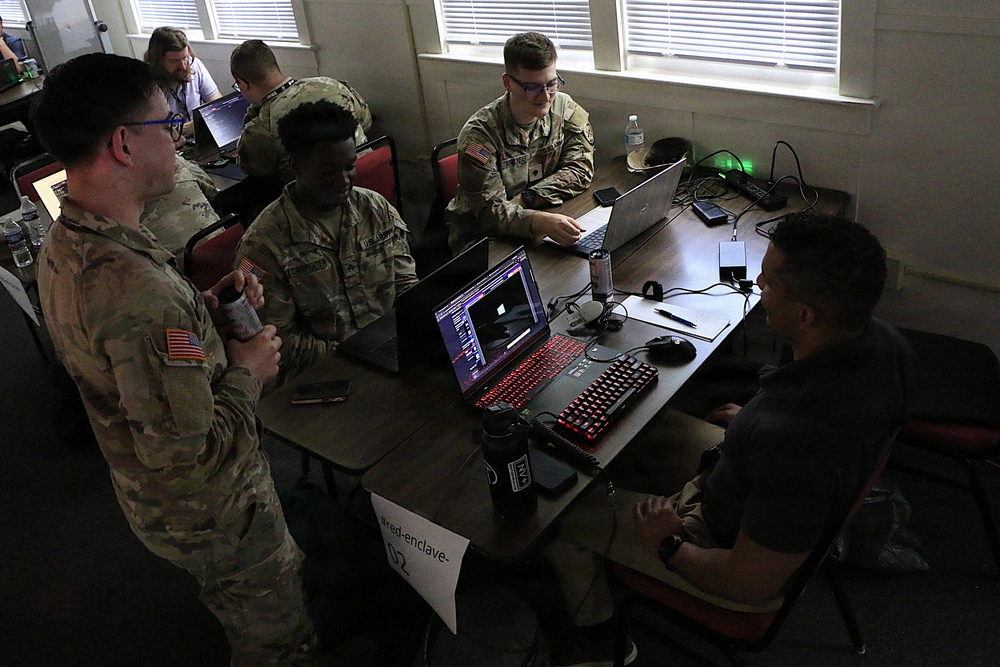
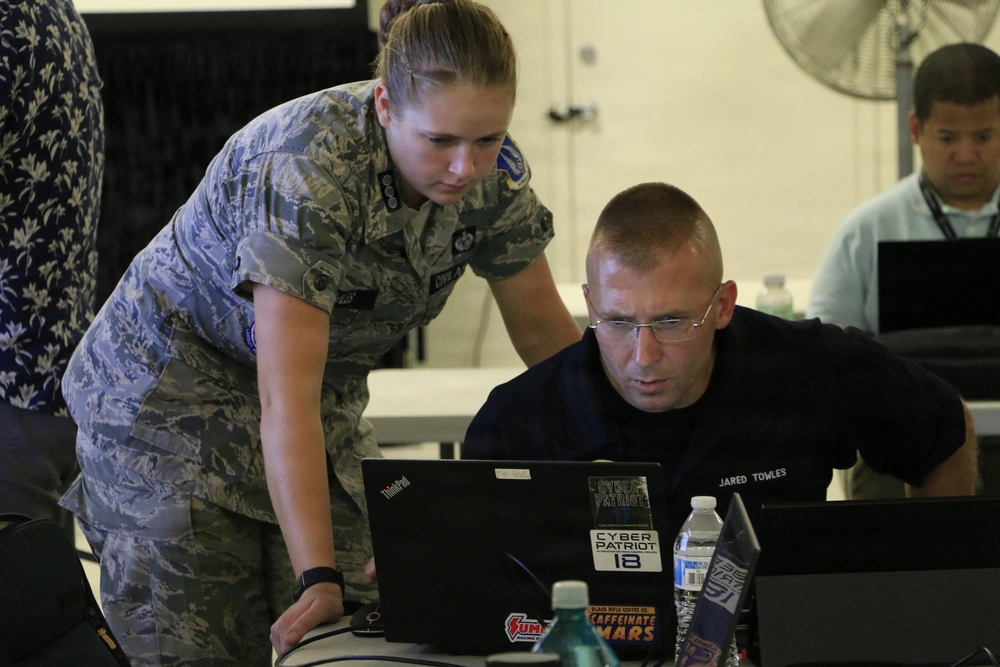
The exercise then moved from instruction into a far more demanding force on force environment. One team, codenamed Blue Team. conducted incident response, threat analysis and defensive cyber operations while another team, codenamed Red Team, attempted to emulate multiple threat actors attacking a realistic critical-infrastructure enterprise network. Instead of merely discussing what agencies would theoretically do during a cyberattack, Cyber Fortress placed participants into an environment where they had to identify threats, coordinate their response and defend systems against an active simulated adversary. The Cybersecurity and Infrastructure Security Agency also helped develop the exercise, participating in the Red Team and White Cell while working with the 91st Cyber Brigade intelligence section and Virginia Fusion Center to create realistic scenarios and injects.
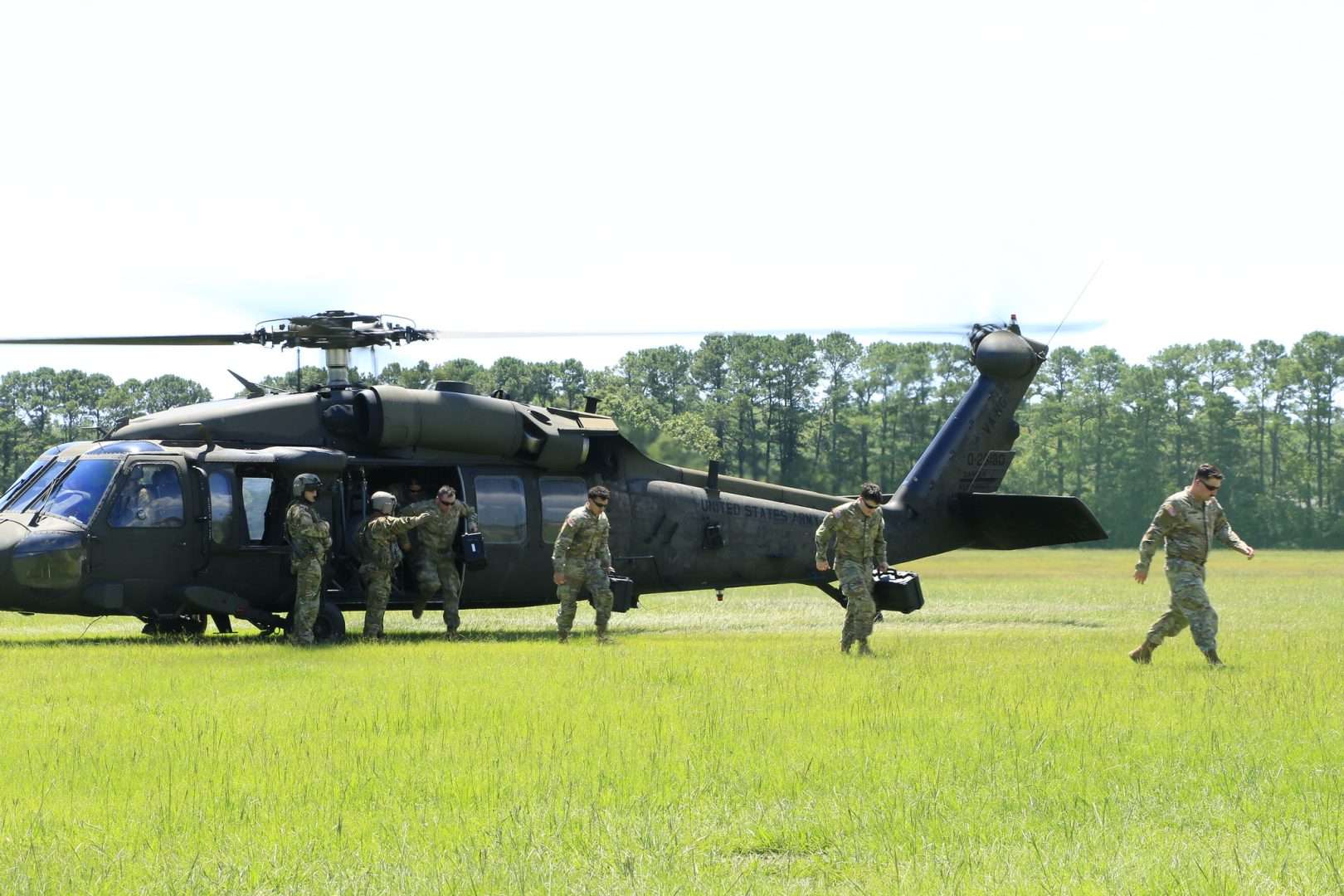
Cyber Fortress 26 also demonstrated that responding to a major cyber incident cannot be treated as solely a military or information technology problem. Distinguished Visitors Day included capability briefings and a tabletop exercise, while Virginia National Guard helicopters from the 2nd Battalion, 224th Aviation Regiment transported cyber operators. The combination of cyber teams, emergency management officials, law enforcement, intelligence organizations, military forces and civilian infrastructure specialists reflected the kind of whole-of-government response that could become necessary if a sophisticated attack disrupted essential services across the Commonwealth.
For the Virginia Defense Force, participation in Cyber Fortress represents the continuation of a growing operational relationship with the 91st Cyber Brigade. The 31st Cyber Battalion has previously worked alongside the brigade on network vulnerability assessments for Virginia localities and participated in earlier Cyber Fortress exercises. In 2025, Virginia officials recognized the 31st Cyber Battalion for cybersecurity work conducted jointly with the 91st Cyber Brigade across Virginia cities, counties and towns. That history illustrates an important distinction: these Citizen-Soldiers are not building a cyber capability merely for an annual training event. Their civilian-acquired expertise is being organized so it can be applied to real cybersecurity missions throughout the Commonwealth.
The importance of this mission will only grow. Modern communities depend upon interconnected technology for electricity, drinking water, communications, transportation, emergency services, banking and the enormous logistical networks that keep food and medicine on our store shelves. A successful cyberattack does not have to destroy a building to hurt a community. If electricity is disrupted, water systems become unavailable, communications fail or supply networks are interrupted, the effects can quickly move from computer screens into the lives of ordinary Americans. Protecting these systems therefore means protecting communities themselves.
That is what makes the service of the men and women participating in Cyber Fortress 26 so important. Members of the Virginia Defense Force’s 31st Cyber Battalion bring skills developed throughout their civilian careers and volunteer those abilities in service to their Commonwealth. Alongside the Virginia National Guard, federal agencies, law enforcement, emergency managers, civilian specialists and allied nations, they are preparing for threats most Virginians may never see. Their work helps ensure that the systems people depend upon every day continue operating safely and reliably, and that when someone does attempt to disrupt them, Virginia has trained professionals ready to respond.
StateDefenseForce.com would like to thank all the personnel who participated in this exercise. We appreciate your commitment to service and the sacrifices you make so we can live in peace and enjoy time with our families.
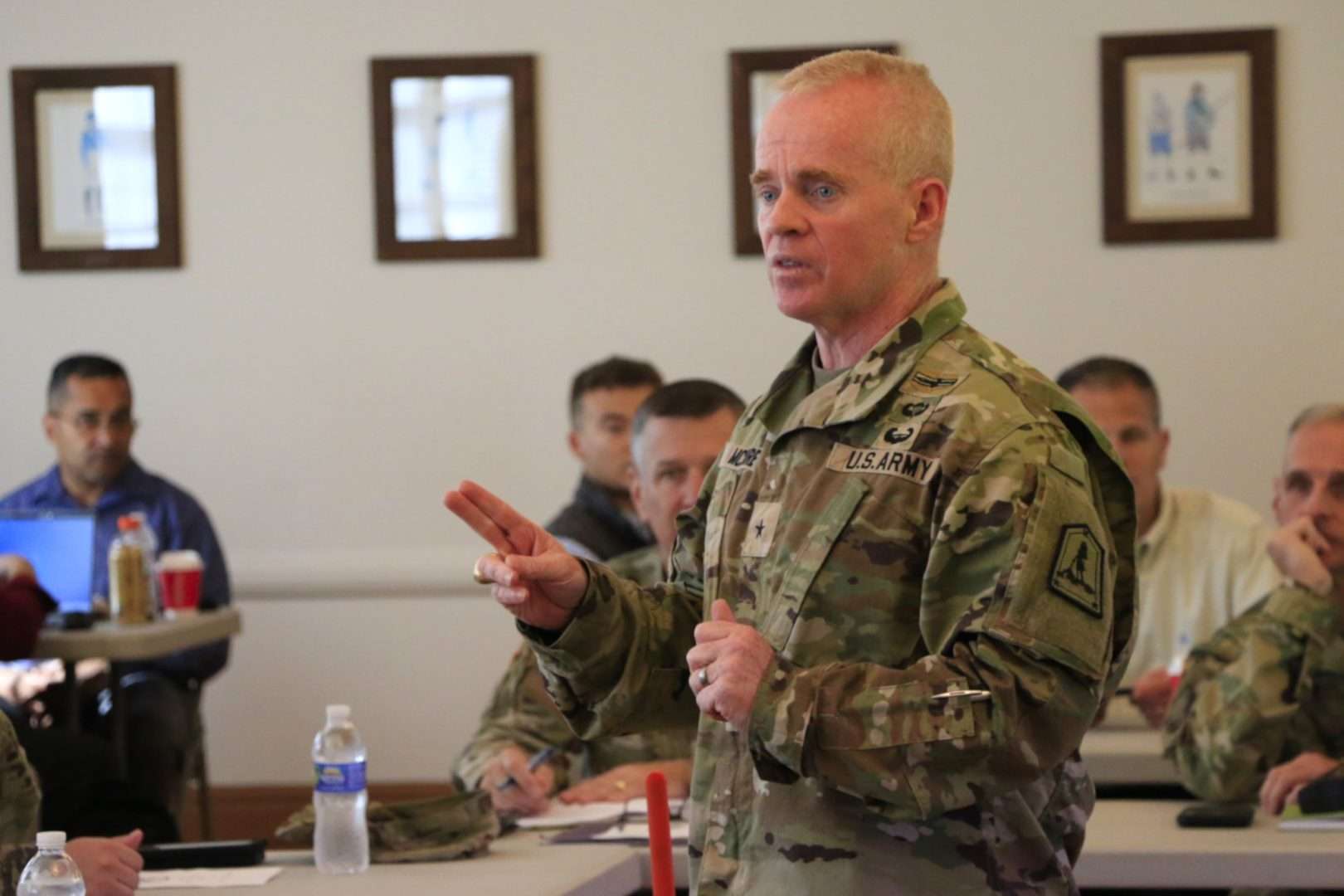
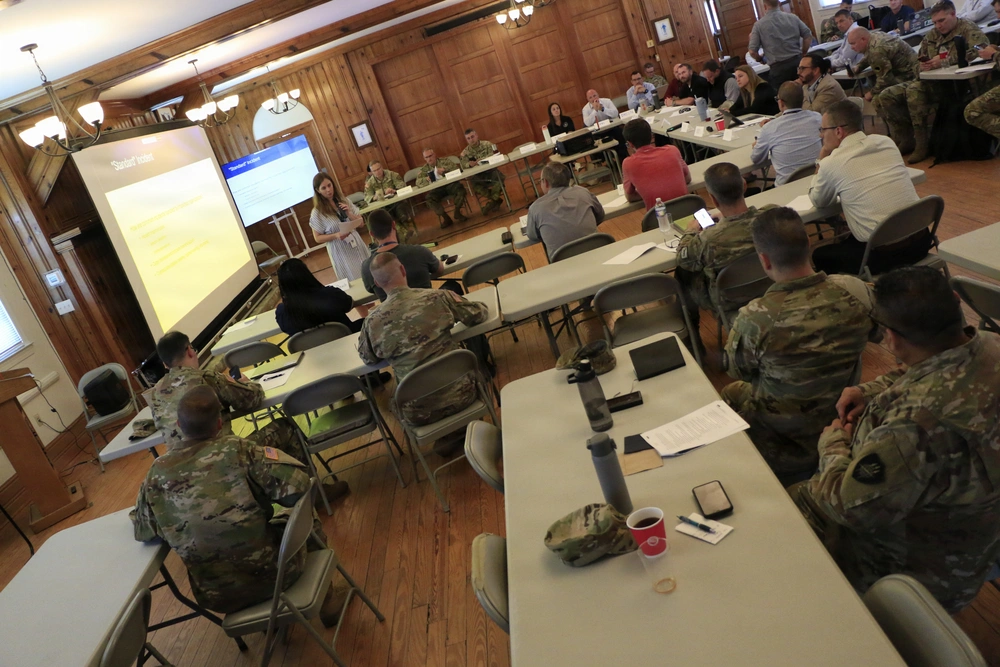
Military and civilian leaders receive a capabilities brief during Distinguished Visitors Day at Cyber Fortress 26 July 31, 2026, at the State Military Reservation in Virginia Beach, Virginia. Hosted by the Virginia Army National Guard’s 91st Cyber Brigade, Cyber Fortress is one of the nation’s premier military exercises focused on a whole-of-government response to significant cyber threats impacting critical infrastructure and key resources, and the only Army National Guard cyberspace operations exercise that includes capability certification or re-certification. This year’s exercise scenario focused on hydroelectricity and brought together Active, Reserve, and National Guard components of the U.S. military and NATO partners, as well as local, state, and federal government agencies and civilian partners from private industry. (U.S. National Guard photo by A.J. Coyne)
Virginia Guard tests cyberattack scenarios at Cyber Fortress 26
By A.J. Coyne August 20, 2026
VIRGINIA BEACH, Va. — The Virginia Army National Guard’s 91st Cyber Brigade hosted Cyber Fortress 26, a joint, interagency, intergovernmental and multinational exercise, July 25 – Aug. 8 at the State Military Reservation in Virginia Beach.
“This was the best iteration of Cyber Fortress yet,” said Col. Gerald Mazur, commander of the Fort Belvoir-based 91st Cyber Brigade.
Cyber Fortress consists of two lines of effort, he explained. The first is the recertification of two cyber protection teams and validation of one battalion headquarters.
This year, the South Carolina National Guard’s 125th Cyber Protection Battalion was validated, while the California National Guard’s Cyber Protection Team 171 and the Ohio National Guard’s Cyber Protection Team 172 were recertified.
“The 91st Cyber Brigade is the only deployable, cyberspace operations capability in the United States Army,” Mazur explained. The brigade’s footprint spans 31 states, including battalion headquarters in Virginia, South Carolina, Massachusetts and Indiana.
The second line of effort was a domestic operations exercise that brought together active-duty, Reserve and National Guard components of the U.S. military, NATO partners, local, state and federal government agencies, and civilian partners from private industry to respond to a simulated real-world cyber incident. This year’s scenario focused on hydroelectricity.
“This year we conducted the range using the Persistent Cyber Training Environment, which proved to be a very reliable platform,” said Col. David Garner, commander of the 91st Cyber Brigade’s Fairfax-based Information Operations Support Center and the exercise director. “Moreover, the support from the PCTE team from concept design to range execution was nothing less than outstanding.”
Participants included the Virginia Department of Emergency Management, Virginia State Police, Virginia Defense Force, Virginia Fusion Center, Federal Bureau of Investigation, Federal Energy Regulatory Commission, Cybersecurity and Infrastructure Security Agency, Air National Guard, U.S. Army Reserve and U.S. Marine Corps, as well as military cyber personnel from Finland and Estonia.
This was the fifth iteration of Cyber Fortress, and this year the 91st Cyber Brigade leaders made it a priority to work closely with their partners at CISA, Garner explained.
“CISA developed and facilitated a cyber incident response table top exercise that involved multiple state and federal partners, provided members to the red team and white cell, and worked closely with the 91st Cyber Brigade intelligence section and the Virginia Fusion Center to develop injects that added value and realism to the exercise,” he explained.
The first week focused on cyber defense of operational technology, which is used to interact with physical devices such as industrial control systems and Supervisory Control and Data Acquisition systems. Soldiers and civilian partners also received training in cyber threat intelligence, malware analysis and electrical systems.
Another key event during the first week was Distinguished Visitors Day, which included capability briefings, a tabletop exercise and air movement of cyber operators aboard helicopters from the Virginia National Guard’s 2nd Battalion, 224th Aviation Regiment.
The second week featured a force-on-force cyber exercise designed to simulate and test responses to a cyberattack. Working collaboratively, participants conducted incident response, threat analysis and defensive cyber operations as integrated Blue teams, countering a dedicated Red team that emulated multiple threat actors within a realistic critical infrastructure enterprise network environment.
“Overall, I am very pleased with how the entire staff and our partners worked together to present a fantastic training environment for the participants,” Garner said.
Cyber Fortress is one of the nation’s premier military exercises focused on a whole-of-government response to significant cyber threats affecting critical infrastructure and key resources. It is the only Army National Guard cyberspace operations exercise that includes capability certification or recertification.