Washington State Guard Provides Live Drone Support During National Guard Counter-UAS Training
Unmanned Aerial Systems (UAS), commonly known as drones, have rapidly become one of the most valuable technological assets available to military forces, emergency-management agencies and first responders during natural disasters. For Search & Rescue teams operating in flooded communities, wildfire zones, areas struck by severe storms or other hazardous environments, drones can be sent ahead of personnel to examine terrain that may be difficult or dangerous to reach on foot or by vehicle. Within minutes, operators can identify washed-out roads, fallen trees, debris, floodwaters and other obstructions that could place rescuers in danger. That information can allow Search & Rescue teams to alter their routes before encountering a potentially life-threatening hazard while also helping them reach stranded Americans more quickly.
The benefits extend well beyond the immediate Search & Rescue mission. UAS provide Emergency Operations Centers with real-time reconnaissance of when natural disasters strike, allowing emergency managers to monitor rapidly changing floodwaters, evaluate evacuation routes and determine whether residents need to be moved to safer locations. Drones can also provide close-up imagery of critical infrastructure such as dams, bridges, electrical substations, communications facilities and other essential systems without requiring personnel to immediately enter potentially hazardous areas. StateDefenseForce.com has previously reported on these capabilities within several State Defense Forces, including the Ohio Military Reserve’s use of infrared-equipped drones during nighttime Search & Rescue training, the Georgia State Defense Force’s development of a UAS program for disaster reconnaissance and infrastructure assessment, and the Louisiana State Guard’s use of sUAS capabilities while training alongside homeland-security and emergency-management partners.
But the same technology capable of saving lives during an emergency can also create a serious security threat when used irresponsibly or maliciously. Recognizing the rapidly growing importance of both UAS and counter-UAS capabilities, the Washington National Guard recently hosted more than 40 National Guard service members from across the United States for a Counter-Unmanned Aircraft Systems Master Operator Course held at Camp Murray and Joint Base Lewis-McChord from September 14–25, 2026. The intensive 10-day course brought together personnel from Civil Support Teams, Air Defense Artillery units, The Washington State Guard (State Defense Force) and other organizations to develop operators capable of employing the National Guard’s emerging mobile counter-UAS systems.
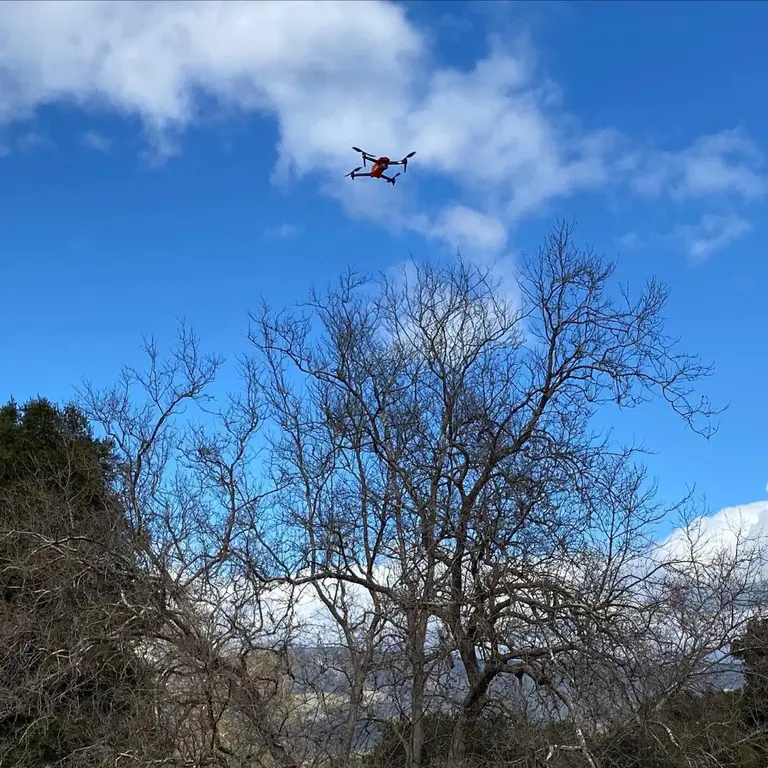
The Washington State Guard played an important supporting role in the training by providing sUAS flights, giving soldiers live drone activity that their counter-UAS systems could detect and track. By placing actual unmanned aircraft into the training environment, State Guard drone operators helped provide soldiers with a more realistic opportunity to practice locating, monitoring and following UAS activity rather than relying exclusively on classroom instruction or simulated contacts. The cooperation also demonstrated another valuable role State Defense Force UAS programs can provide: serving as trained aviation partners during joint exercises with their National Guard counterparts.
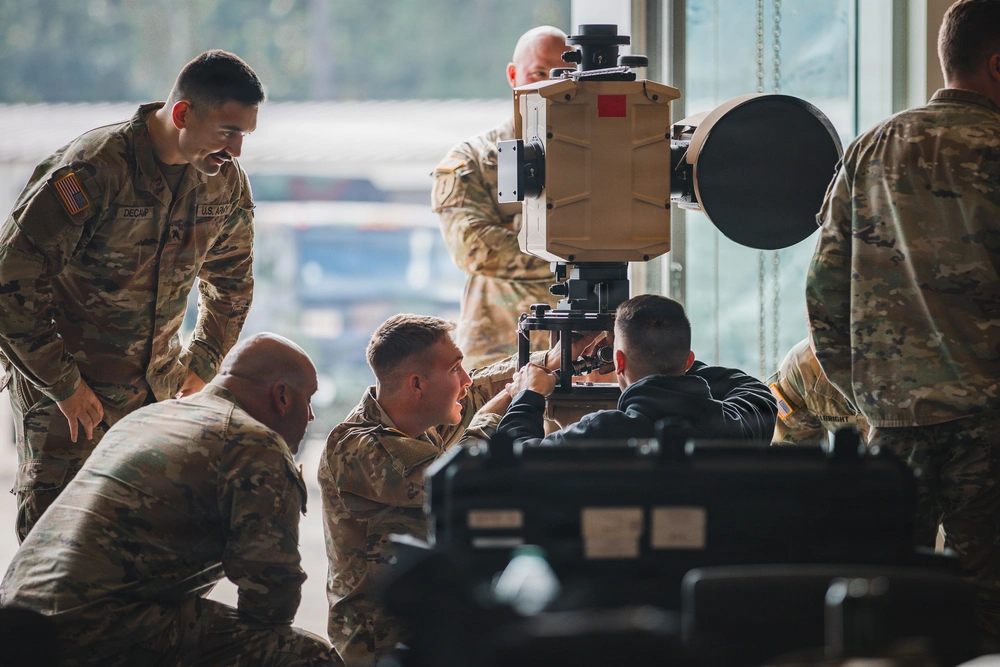
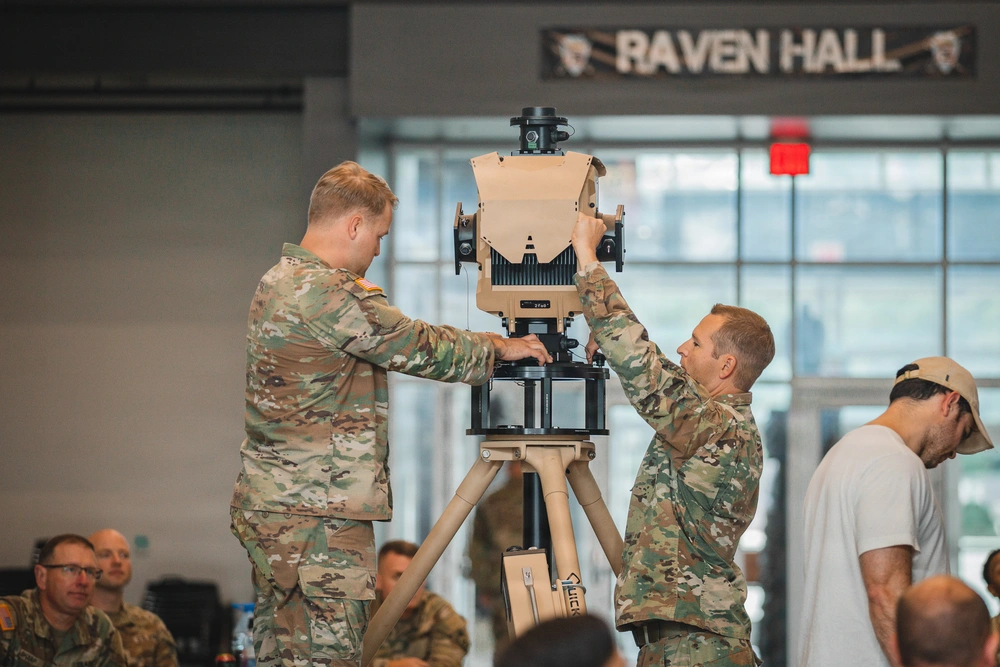
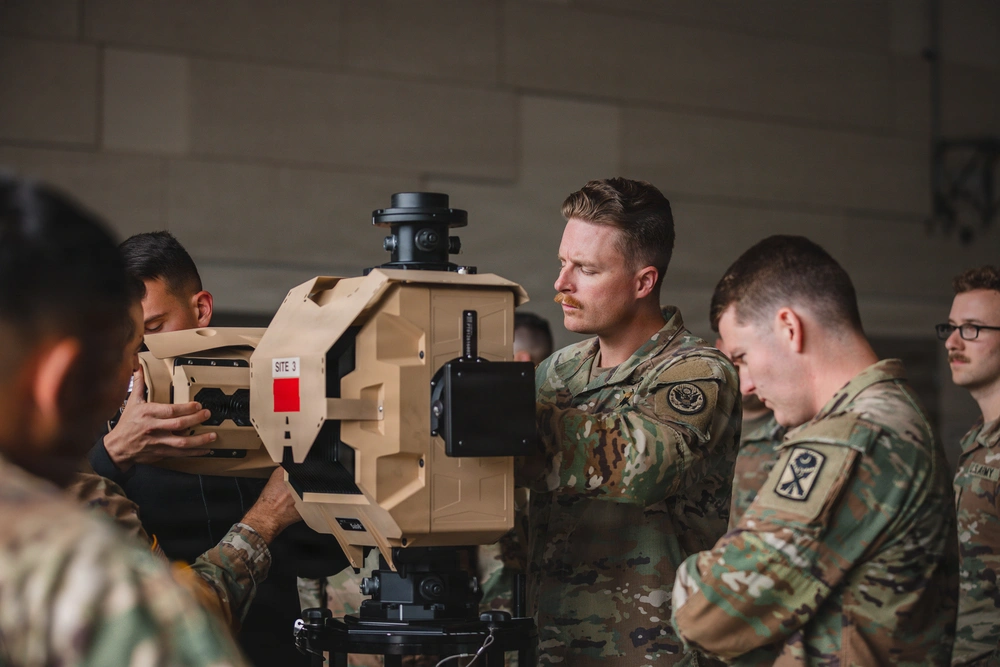
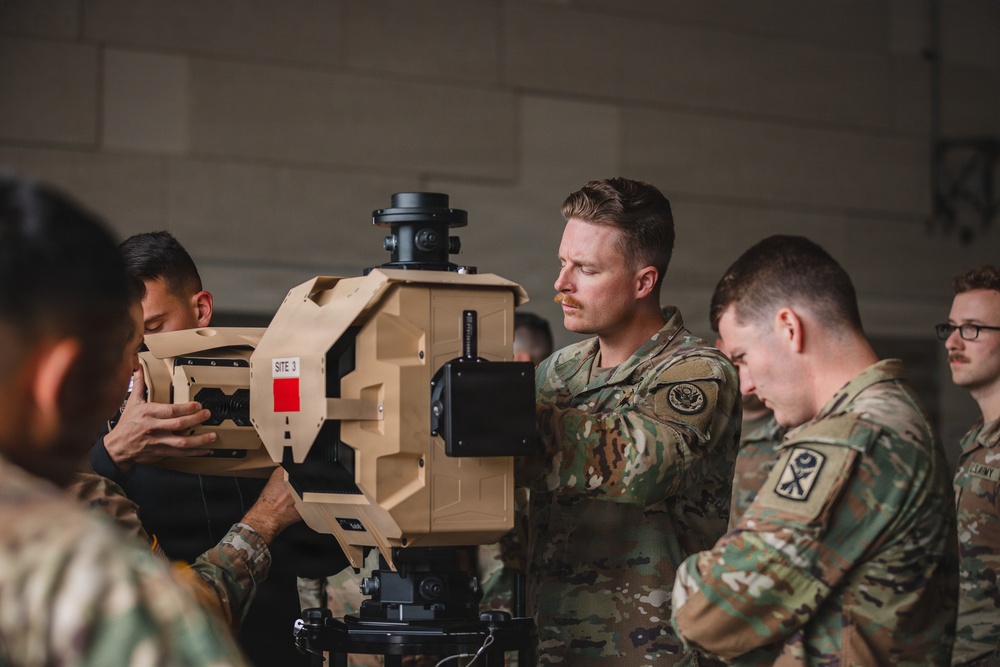
During the course, soldiers learned how to assemble, calibrate, troubleshoot and employ several mobile counter-UAS technologies. Participants worked with the Wisp and Pulsar systems, a Long Range Camera Tower and Anduril’s Lattice software platform, learning how individual sensors and systems could be integrated into a larger network. Members conducted pre-deployment site surveys, examined terrain and radio-frequency conditions, selected sensor locations, established communications networks and repeatedly assembled and dismantled equipment to identify faults and improve their procedures. The systems were then brought together during increasingly realistic operational scenarios.
The course culminated in five days of range operations in which students applied their training against different unmanned aircraft and flight patterns. Participants were required to demonstrate that they could establish the counter-UAS network, calibrate its equipment, operate the software and troubleshoot the system before completing written and practical evaluations. Those who successfully met the required standards were certified as trained operators. Lt. Col. Ryan Dykes, commander of the Washington National Guard’s 10th Civil Support Team, emphasized the importance of the capability, stating, “Mastering mobile counter-UAS platforms like these is essential for domestic security operations.”
For the Washington State Guard, supporting the course represents another step in the development of a UAS capability that has been years in the making. The organization prepared for approximately two years to introduce Skydio X10 drones into its inventory, with aircraft received in late 2024 and pilot training subsequently underway. In November 2025, Washington State Guard personnel also collaborated with the Washington Air National Guard’s 194th Security Forces Squadron during a demonstration of drone-monitoring technology at Camp Murray.
The latest training highlights the increasingly important role UAS technology can play within America’s State Defense Forces. Whether providing aerial reconnaissance to an Emergency Operations Center, searching for stranded citizens, assessing damaged infrastructure, supporting National Guard training or helping agencies understand and counter potentially dangerous drones, these aircraft can provide an enormous amount of information while reducing the risk placed on personnel on the ground. As natural disasters become increasingly complex and unmanned aircraft become more prevalent throughout American airspace, developing both UAS and counter-UAS expertise can provide State Defense Forces with another specialized capability to protect lives, support civil authorities and better serve their states.
Washington National Guard hosts counter-UAS master operator course
CAMP MURRAY, WASHINGTON, UNITED STATES
09.29.2026
Story by Joseph Siemandel
Joint Force Headquarters – Washington National Guard
More than 40 National Guard members from across the country participated in a counter-unmanned aircraft systems master operator course hosted by the Washington National Guard at Camp Murray and Joint Base Lewis-McChord, Wash., Sept. 14–25, 2026.
The 10-day course brought together personnel from civil support teams, air defense artillery units and other organizations to develop operators capable of employing the National Guard’s emerging mobile counter-UAS systems.
The course marked the latest step in the Washington National Guard’s effort to build counter-UAS expertise and strengthen cooperation among military, law enforcement and public safety organizations. Since hosting a counter-UAS summit in November 2025, the Guard has introduced foundational instruction, conducted field demonstrations and provided initial training on newly fielded mobile systems developed by Anduril Industries. The September course built on those efforts by training operators to assemble, calibrate, troubleshoot and employ the systems during increasingly complex scenarios.
“This course is about building a trained, capable force that can integrate counter-UAS systems with our military, law enforcement and public-safety partners,” said Lt. Col. Wes Watson, director, Commander’s Action Group, Counter UAS Operations. “By developing master operators who understand the equipment, the threat and the operating environment, we are building the foundation needed to support a coordinated response to unmanned aircraft incidents when authorized to do so.”
The training combined classroom instruction, equipment assembly, system emplacement and live range operations. Participants learned to establish the system’s network, calibrate its sensors and operate the Lattice software platform used to detect, track and support responses to unmanned aircraft. Anduril instructors led the technical portions of the course, while National Guard and Joint Interagency Task Force personnel conducted range operations. Students first learned the equipment in a controlled environment before employing the complete system during operational scenarios.
“The importance of this course is learning how to use the platforms we currently have, gaining proficiency and familiarization, and validating the equipment,” said Sgt. 1st Class William Bean, communications team chief for the Washington National Guard’s 10th Civil Support Team and NCOIC for the training.
Students received an overview of unmanned aircraft threats and the counter-UAS process, including detection, tracking, identification and response. They then moved into hands-on instruction with the individual components of the mobile platform. Working in teams, students assembled the Wisp and Pulsar systems and the Long Range Camera Tower. Instructors emphasized safety, proper cabling, equipment standards and common failure points before students completed each process themselves.
“We had three mobile systems here with different hardware and software capabilities designed to identify, track and locate specific unmanned aircraft systems,” Bean said.
Students progressed from assembling individual components to connecting them as an integrated system. They learned the network architecture, radio links, data flow and troubleshooting procedures before establishing the network during practical exercises. Participants also conducted pre-deployment site surveys, evaluating terrain, radio-frequency considerations, sensor placement, power requirements and communications needs. They then emplaced the systems, established the networks and calibrated the sensors. Repeated build-and-teardown exercises allowed the teams to identify faults and refine their procedures.
Instruction on the Lattice software platform covered sensor tasking, track management, alerts, logging procedures and operator decision-making.
During a student-led evolution, teams took the equipment from its packed configuration to fully mission capable. With instructors providing limited assistance, students emplaced the systems, established the networks, calibrated the sensors and brought the Lattice platforms online. The evolution marked the transition from instructor-led technical instruction to National Guard-led range operations.
“Mastering mobile counter-UAS platforms like these is essential for domestic security operations. Through this rigorous, hands-on master operator course, we are transforming how our force detects and defeats UAS threats,” said LTC Ryan Dykes, commander of the 10th Civil Support Team. “Our soldiers and airmen are walking away not just as operators, but as technical leaders capable of deploying, troubleshooting, and maximizing these advanced capabilities in any environment.”
During five range days, students applied their skills against different unmanned aircraft and flight patterns. Anduril personnel remained available in an advisory role to answer technical questions and assist with troubleshooting. Participants later completed a written examination and hands-on evaluation. The practical assessment required them to build the system, establish its network, calibrate the equipment and operate the software platform. Students who met the standards were certified as trained operators.
“This is the first 10-day iteration of the course,” Bean said. “Moving forward, we want to expand the scenarios, introduce different drone flight patterns and refine our tactics, techniques and procedures so we can employ the capability more effectively.”
This course advanced Washington’s broader effort to develop counter-UAS expertise capable of supporting homeland defense, major-event security and the protection of critical infrastructure.
“Along with the staff of the 10th Civil Support Team, the Washington State Counterdrug Program was instrumental in the planning, development, and implementation of this course,” said Dykes. “Over the last six months, this close partnership has significantly propelled the state’s cUAS operations forward.”
Watson believes that the training and cUAS equipment in Washington could have tremendous impact and support for state and federal partners if given the proper authorities.
“Washington has received state-of-the-art counter-UAS equipment, completed comprehensive training and built strong relationships with our state, local, tribal and territorial partners,” Watson said. “But without appropriate Title 32 authorities, our ability to respond beyond our National Guard installation gates remains limited. Whether the need is helping secure a major sporting event or public gathering, supporting firefighting operations affected by drone activity in Spokane, or responding to a natural or manmade disaster, we need the ability to support our communities when called upon. That will require legislative action to provide the National Guard the authorities needed to assist our states within the law.”
These news items are brought to you by our Patreon members who keep this website online, paying our domain costs, hosting costs, and our staff to provide you news like this to you, as well as our other programs like Podcasts, Legislative Reporting, etc. You can become part of our Patreon program, you can donate as little as $1 a month and it will go a long way. Click Here To Visit Our Patreon