Florida State Guard Mobilizes Hundreds of Soldiers, Aircraft and Rescue Vessels in Response to Hurricane Isaias
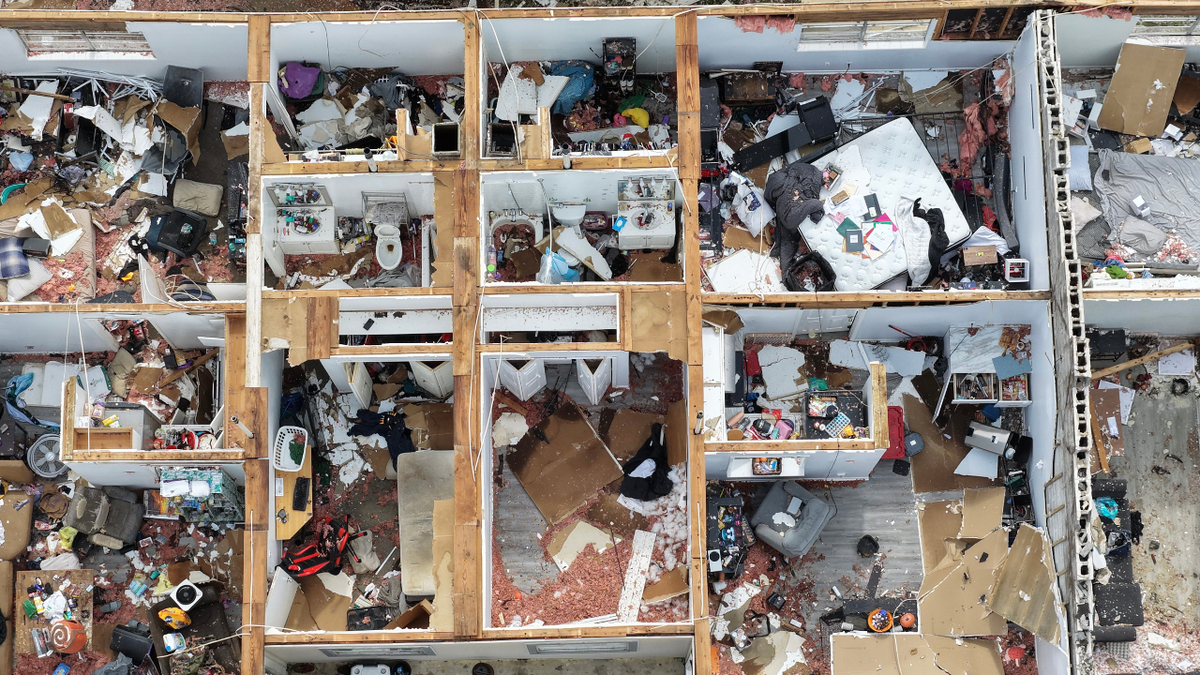
Hurricane Isaias unleashed widespread destruction across Florida’s Panhandle after making landfall near Destin on Friday evening, October 9, 2026, as a powerful Category 2 hurricane with sustained winds of 105 mph. Wind gusts reached approximately 116 mph in portions of Escambia and Santa Rosa counties, ripping roofs from buildings, uprooting trees, destroying electrical infrastructure, and leaving entire neighborhoods without power. Coastal communities experienced significant storm surge and flooding, with water levels in Panama City Beach rising approximately 5.6 feet above average high tide. Nearly 450,000 Florida homes and businesses lost electricity at the height of the storm, while flooded roadways, fallen trees, and damaged infrastructure complicated rescue and recovery operations throughout the region.
The hurricane also claimed numerous lives, with Governor Ron DeSantis confirming six storm-related fatalities in Florida as of October 13, in addition to two deaths reported in Alabama. Among the tragedies were residents killed by falling trees, a fatal incident involving carbon monoxide from an improperly operated generator, and additional deaths associated with post-storm accidents and interruptions to medical treatment. The destruction extended well beyond residential neighborhoods, affecting businesses, transportation networks, public facilities, and critical infrastructure. Preliminary estimates from catastrophe modeling firm Verisk placed insured property losses between $1 billion and $2 billion, underscoring the tremendous financial and human toll left by Hurricane Isaias.
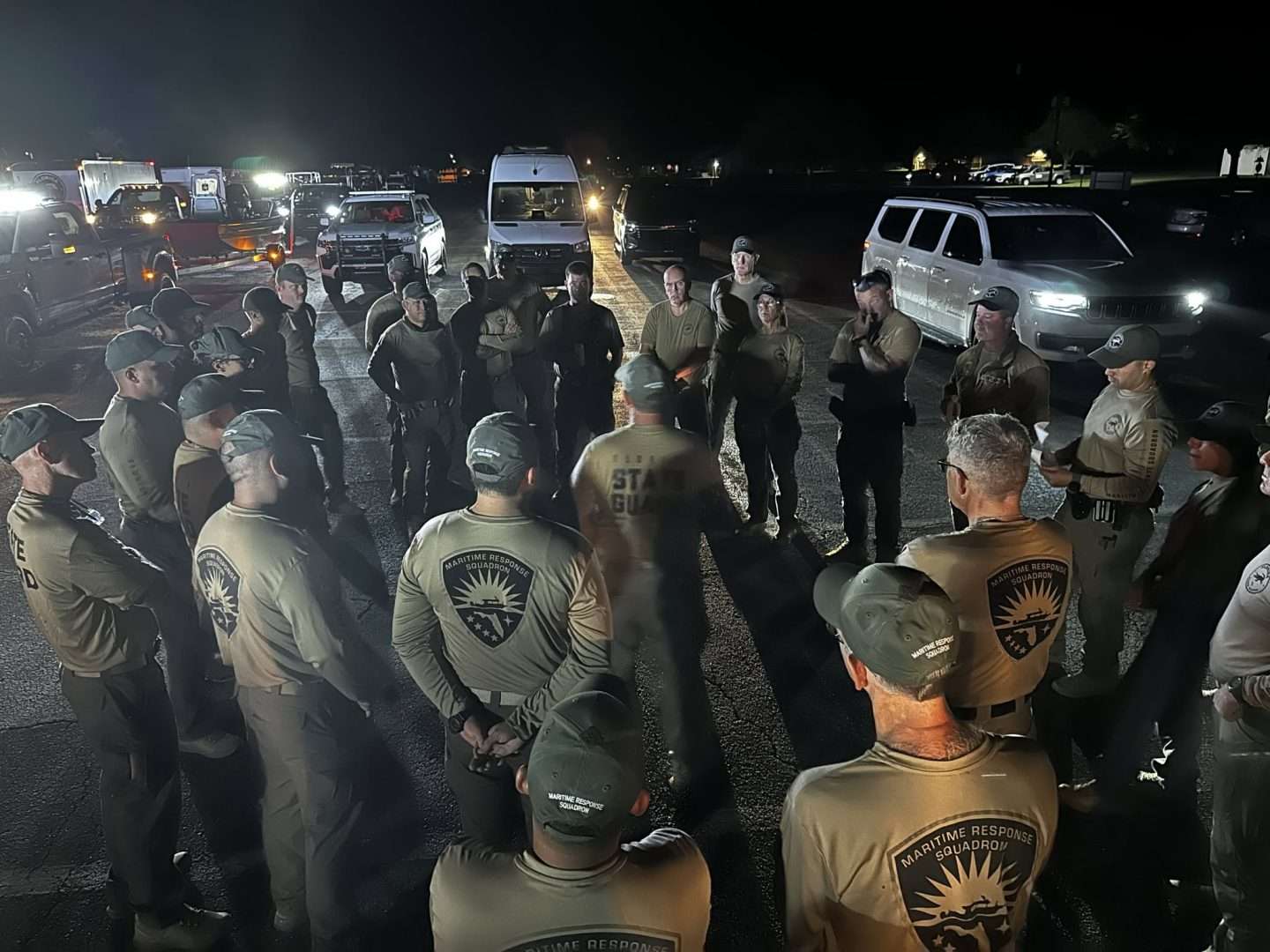
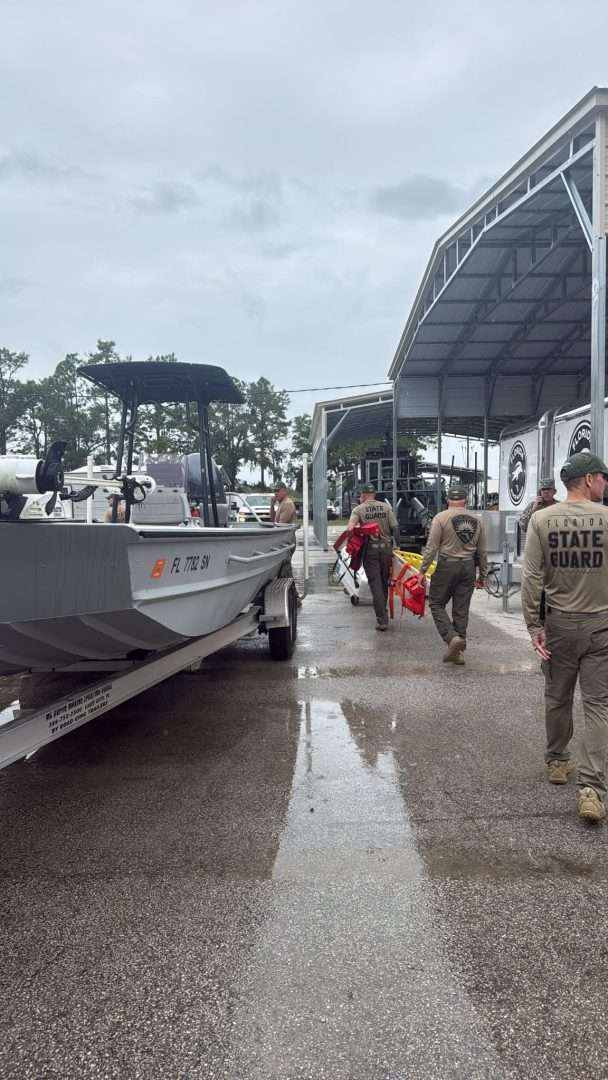
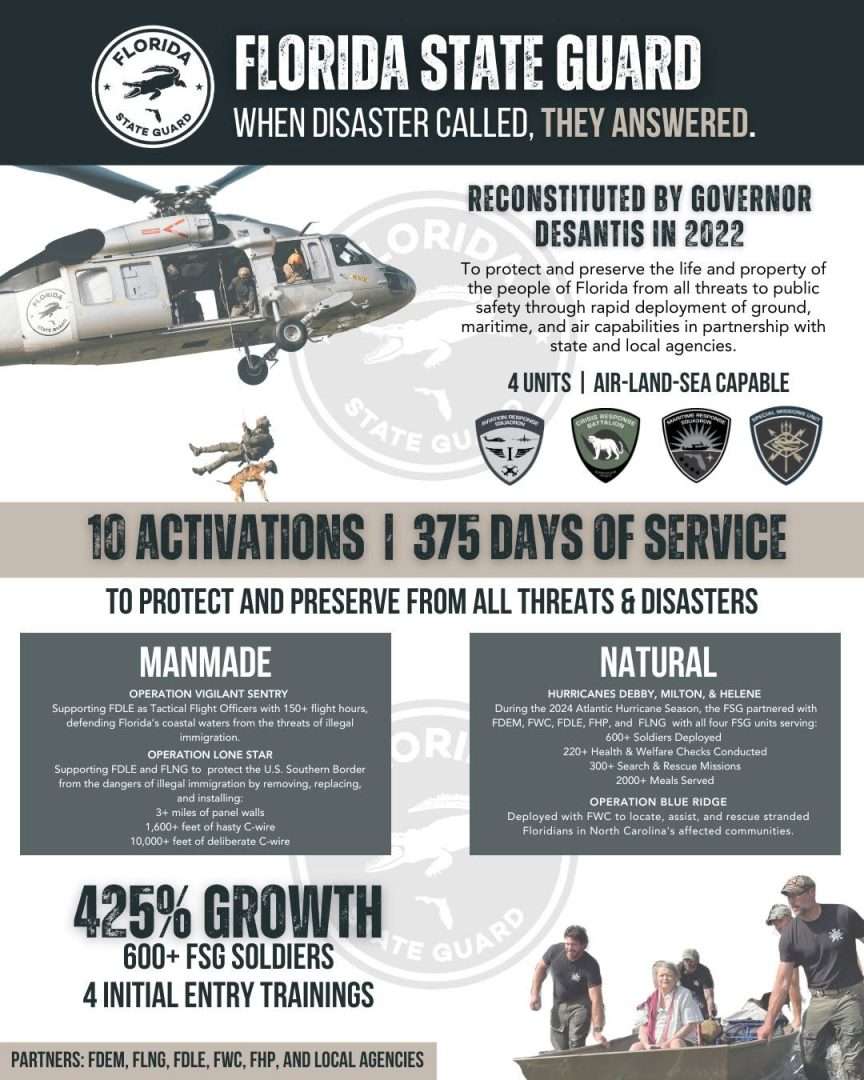
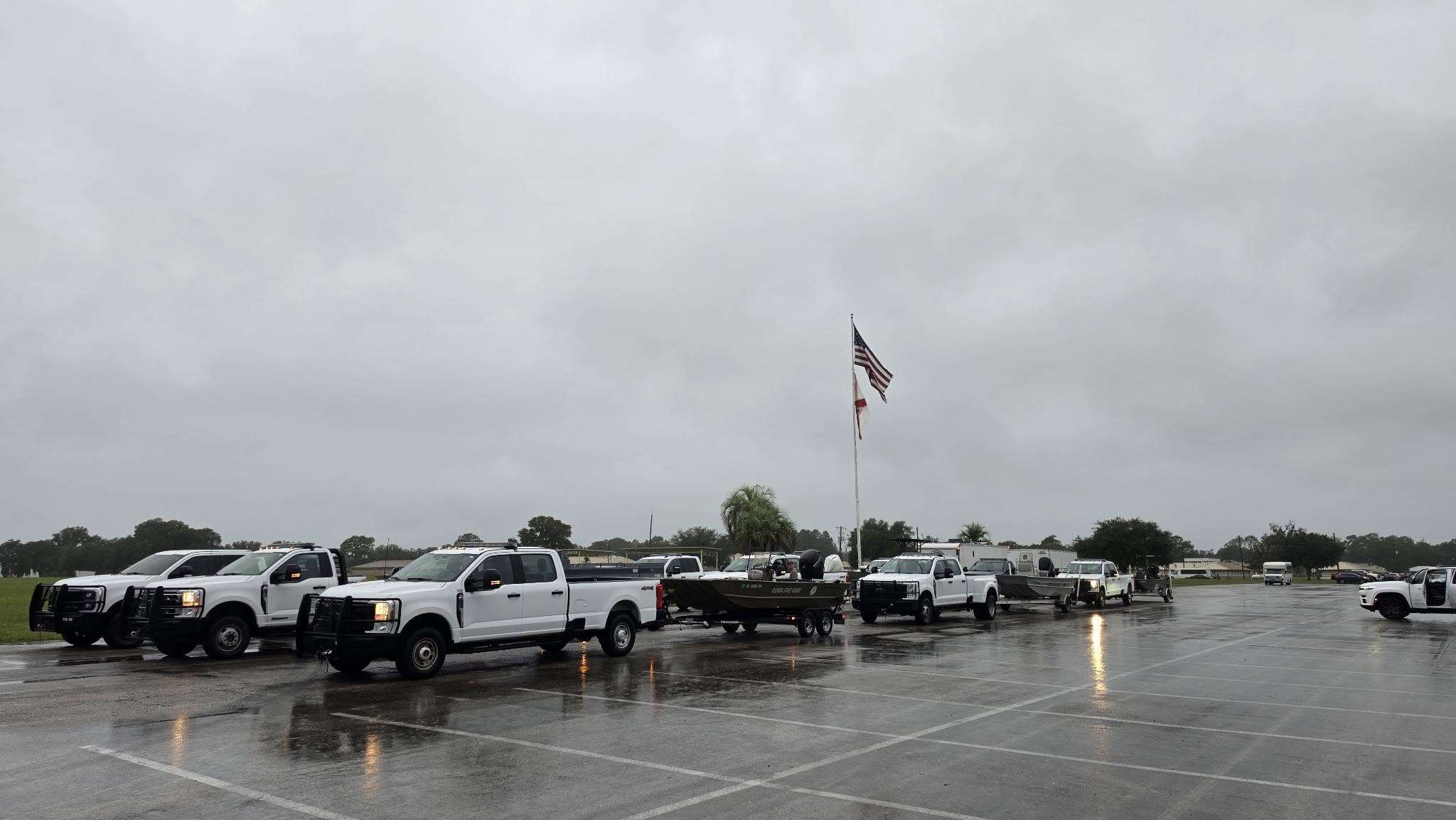
As Hurricane Isaias approached Florida’s coastline, the Florida State Guard (State Defense Force – FSG) rapidly mobilized its personnel and equipment, demonstrating the growing capabilities of one of the nation’s most extensively equipped State Defense Forces. Nearly 400 Florida State Guard Soldiers were deployed to support preparations and recovery operations across the Panhandle. Unlike many State Defense Forces that primarily maintain ground-based emergency response capabilities, the Florida State Guard has developed an extensive land, air, and sea emergency response capabilities. With these vehicles they are capable of conducting simultaneous operations across multiple disaster-stricken communities. Ahead of landfall, the State Guard positioned rescue vehicles, mobile command capabilities, heavy equipment, aircraft, and approximately 20 maritime vessels throughout the region. Responding to requests from local authorities, units prepared to conduct water and land rescues in Escambia County, provide aerial assessments of critical infrastructure, and transport essential equipment for a special-needs shelter in Washington County.
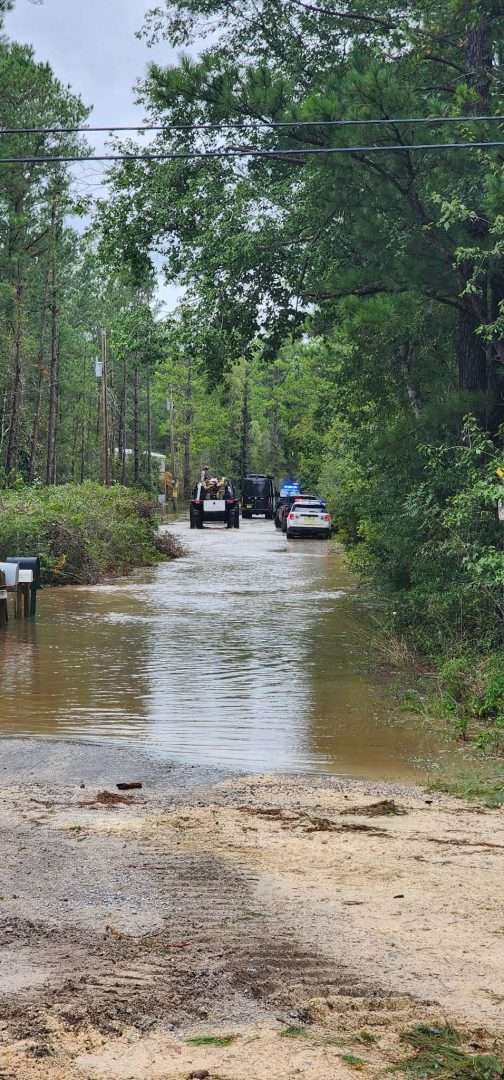
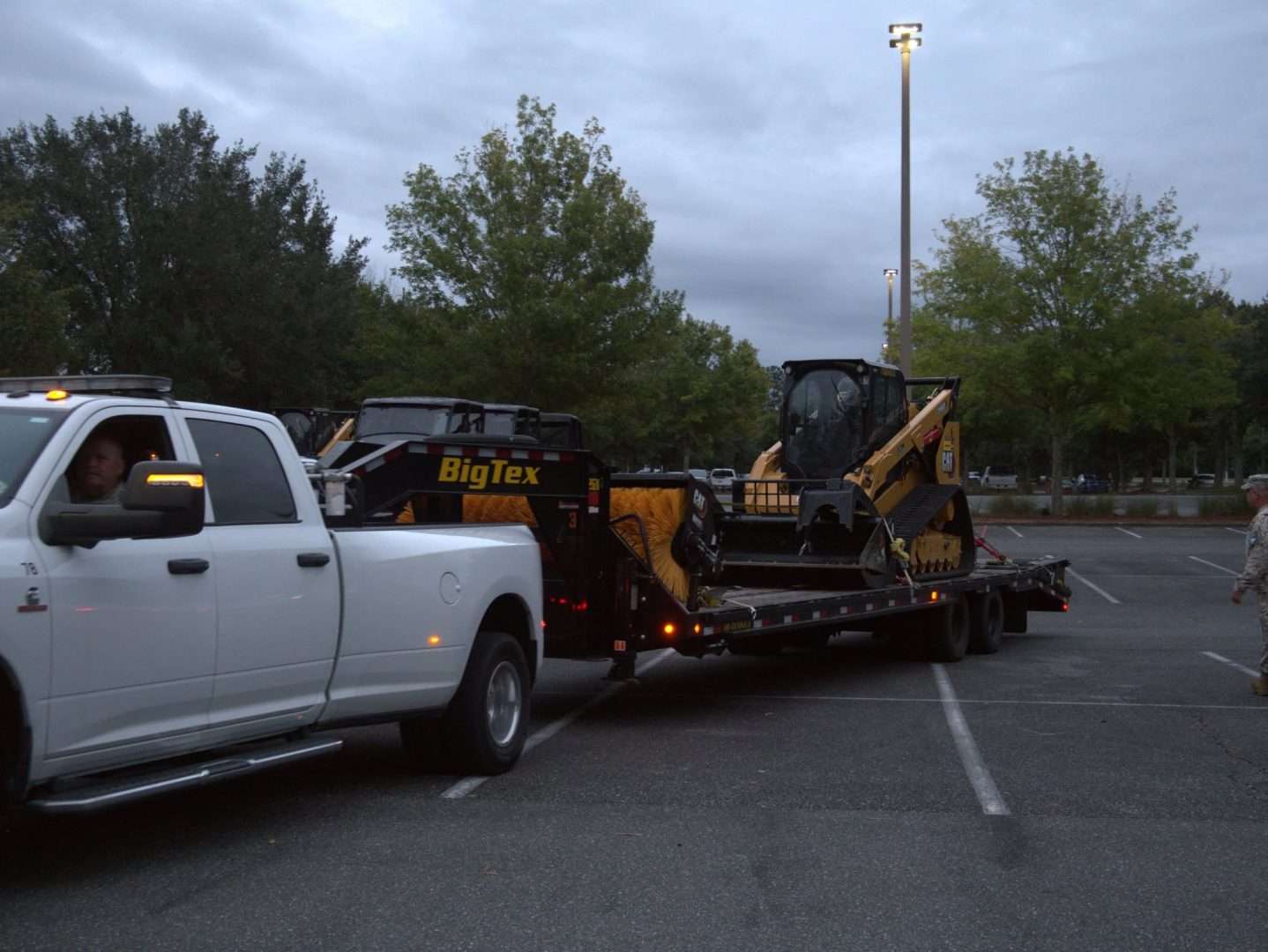
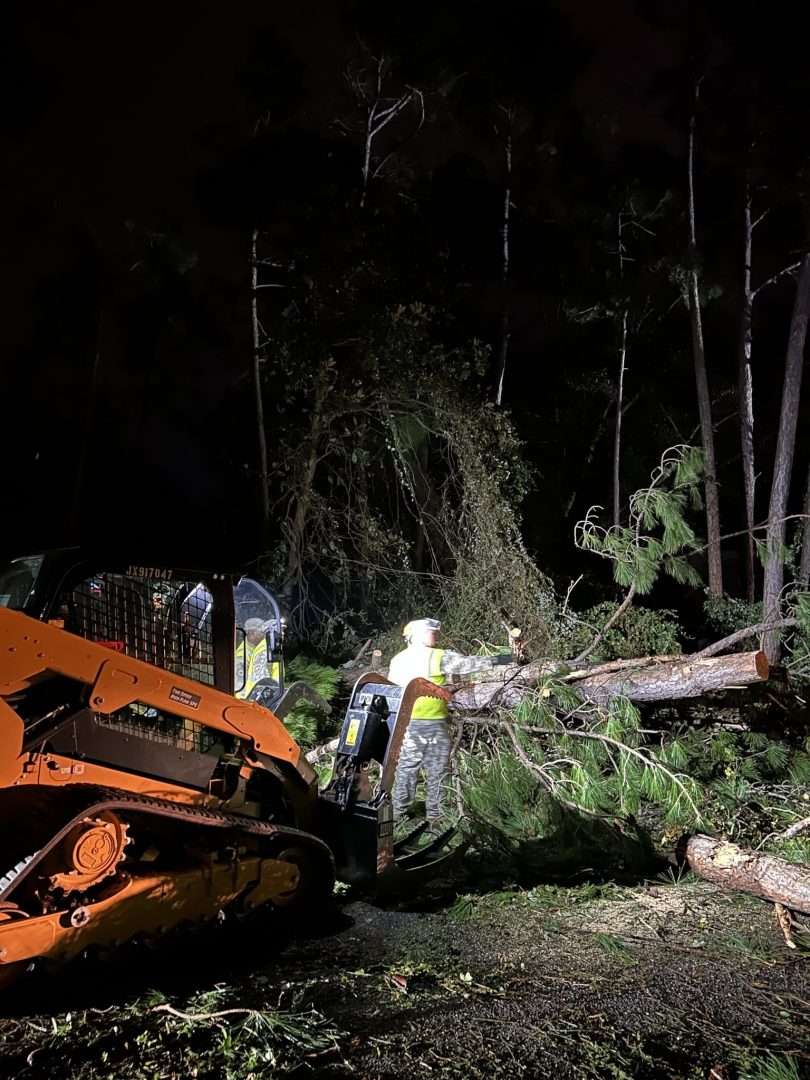
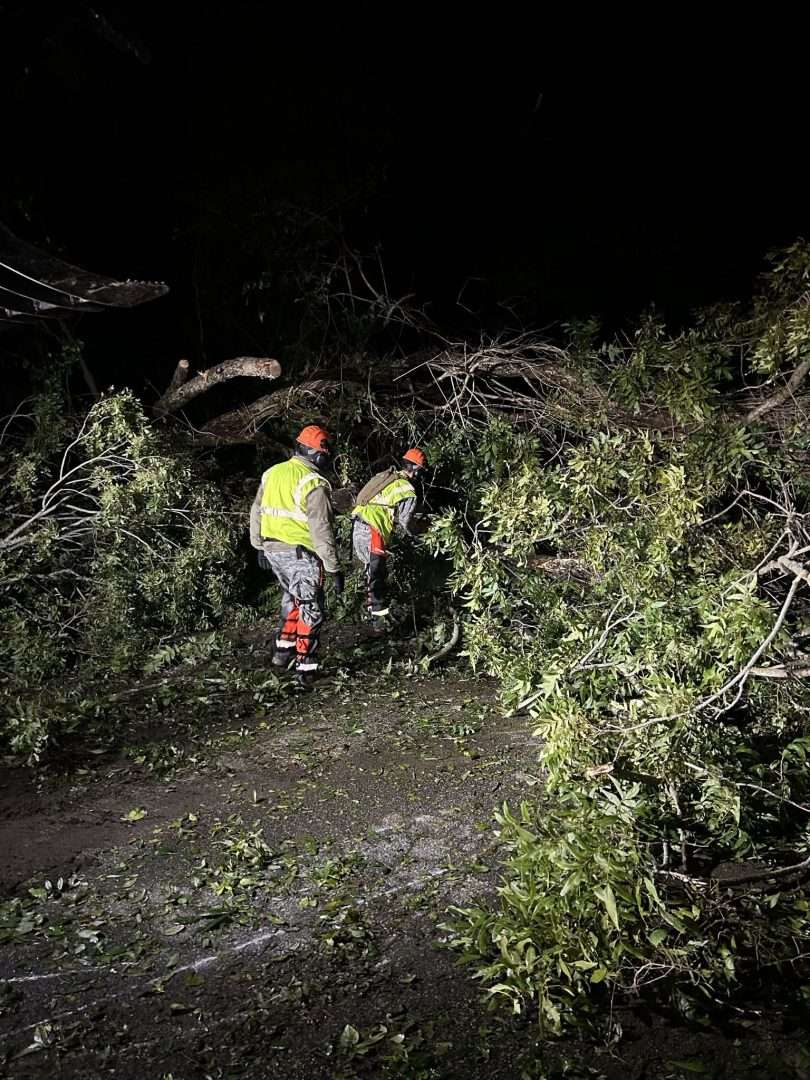
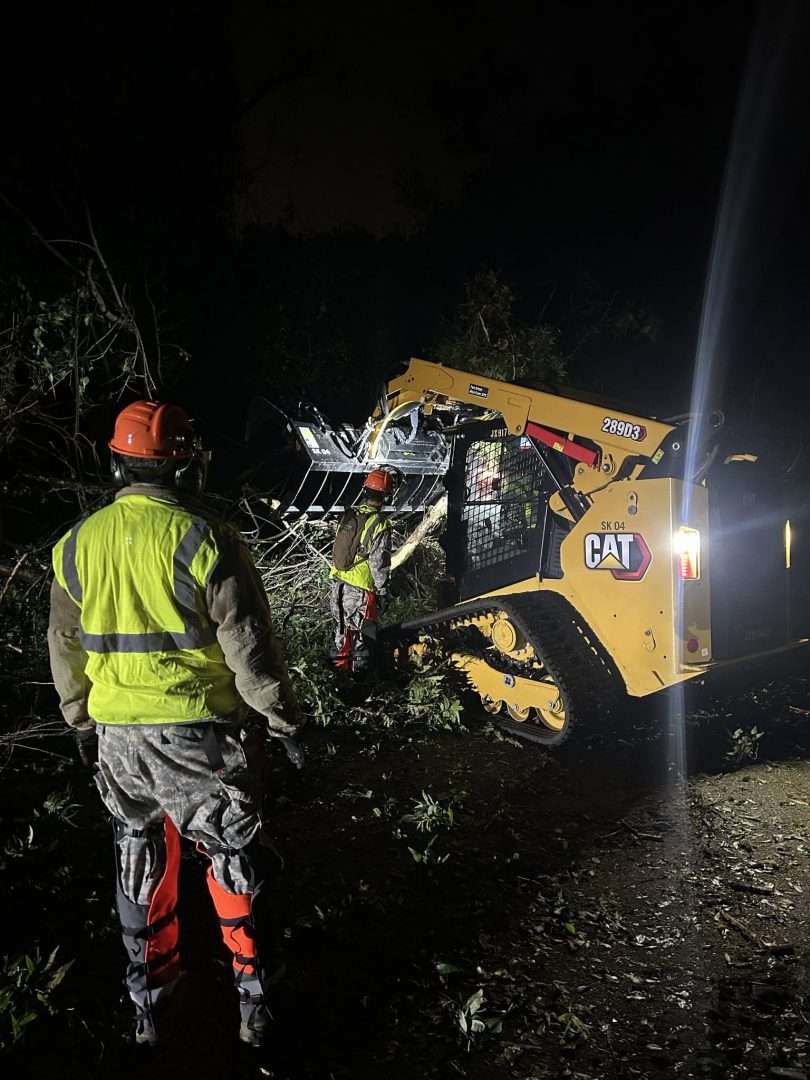
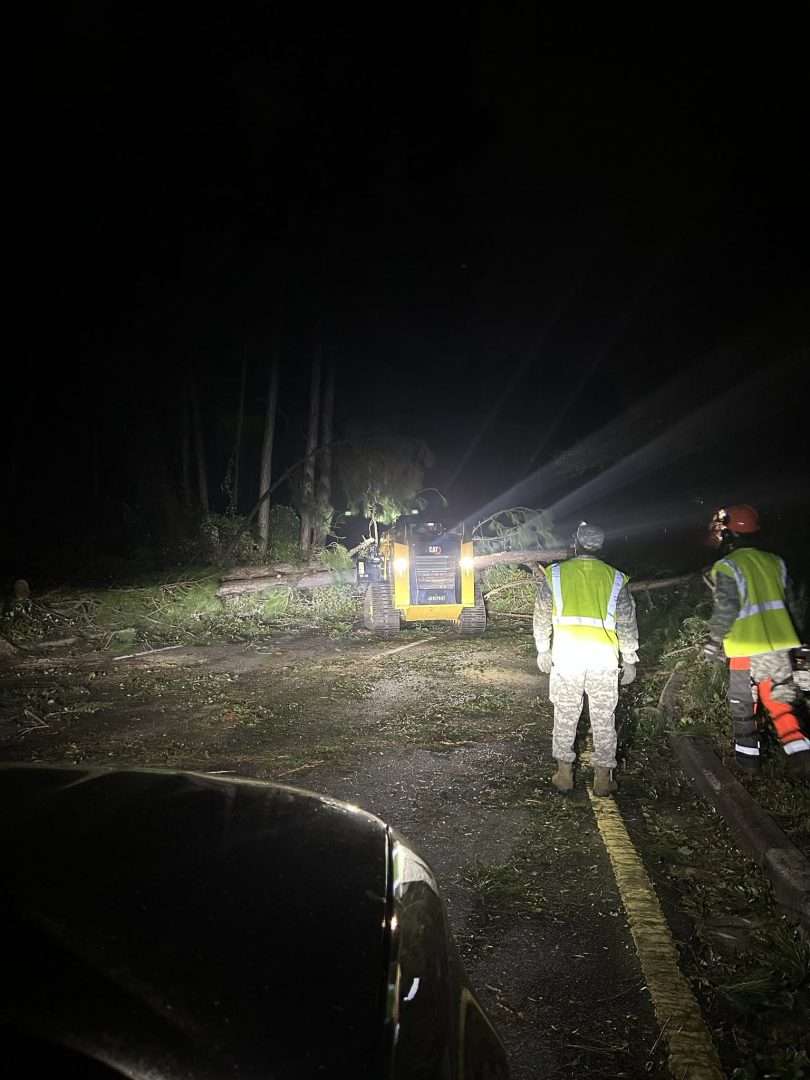
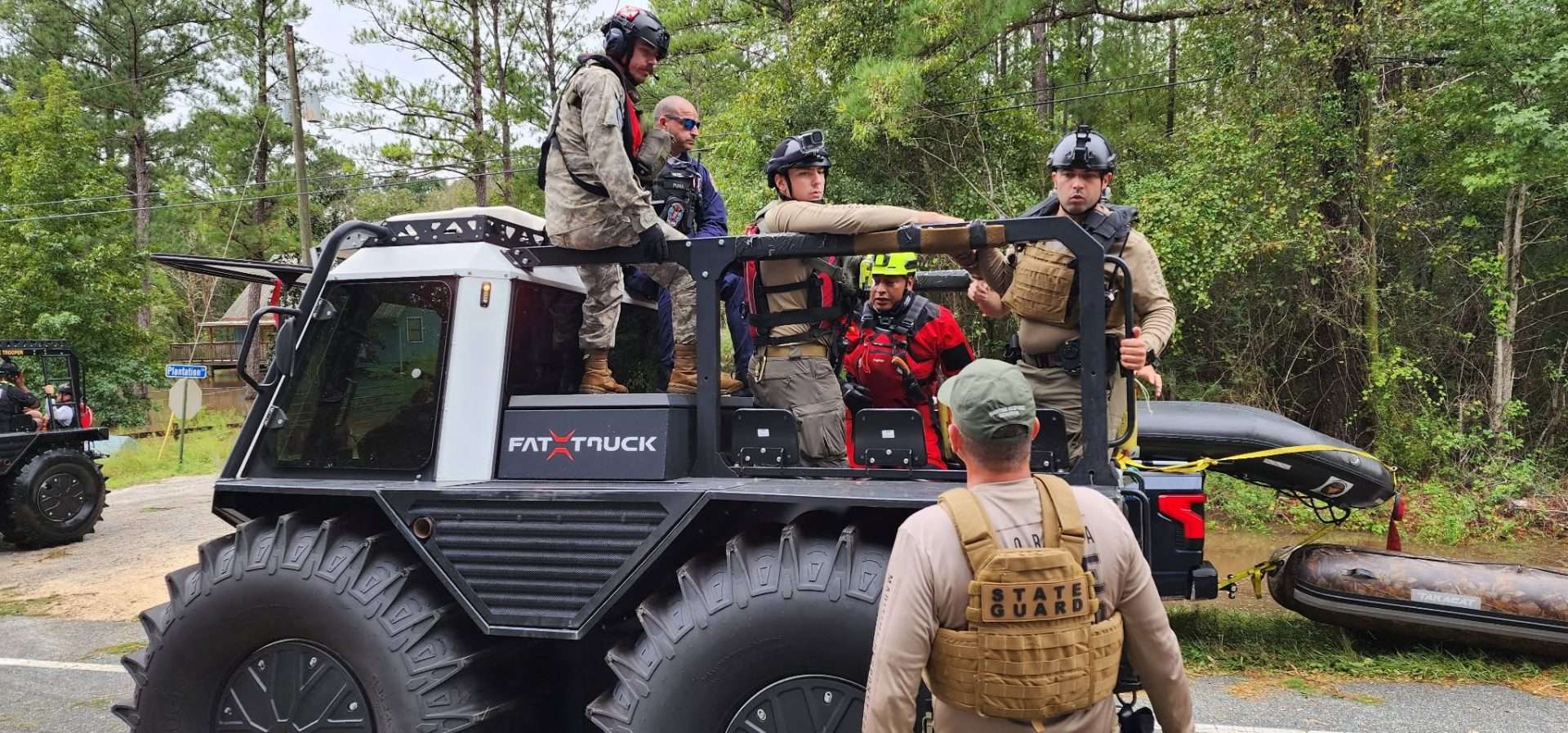
On the ground, the Florida State Guard’s Crisis Response Battalion (CRB) deployed specialized personnel and equipment to reach communities cut off by hurricane damage. The battalion fielded four amphibious rescue teams capable of traversing flooded terrain, ten cut-and-toss teams equipped to remove fallen trees and debris, six skid steer teams for mechanical clearing operations, and five transportation teams responsible for moving critical supplies and equipment. Additional logistical capabilities included telehandlers and other heavy equipment for emergency supply distribution. The battalion’s amphibious rescue personnel also operated in the heavily flooded Shoal River area, where rising waters threatened access to residential communities. In one reported operation, members of the State Guard’s Unmanned Aircraft Systems team removed a fallen tree blocking a neighborhood’s only exit, restoring a vital access route for residents and emergency personnel.
Equally important was the deployment of the Florida State Guard’s Unmanned Aircraft Systems (UAS) capabilities, which provided vital reconnaissance information to emergency management officials and ground rescue teams. The State Guard initially prepared five UAS teams before expanding its reported operational deployment to seven teams during recovery efforts. Working alongside the Federal Emergency Management Agency (FEMA), Florida Division of Emergency Management (FDEM), and U.S. Army Corps of Engineers, State Guard personnel conducted wide-area damage assessments covering miles of coastline, flooded communities, damaged roadways, and critical infrastructure. These aircraft supplied aerial imagery, mapping data, and live reconnaissance footage to the State Emergency Operations Center, enabling emergency managers to identify dangerous conditions, monitor flood patterns, prioritize damaged facilities, and direct recovery crews toward communities requiring immediate assistance.
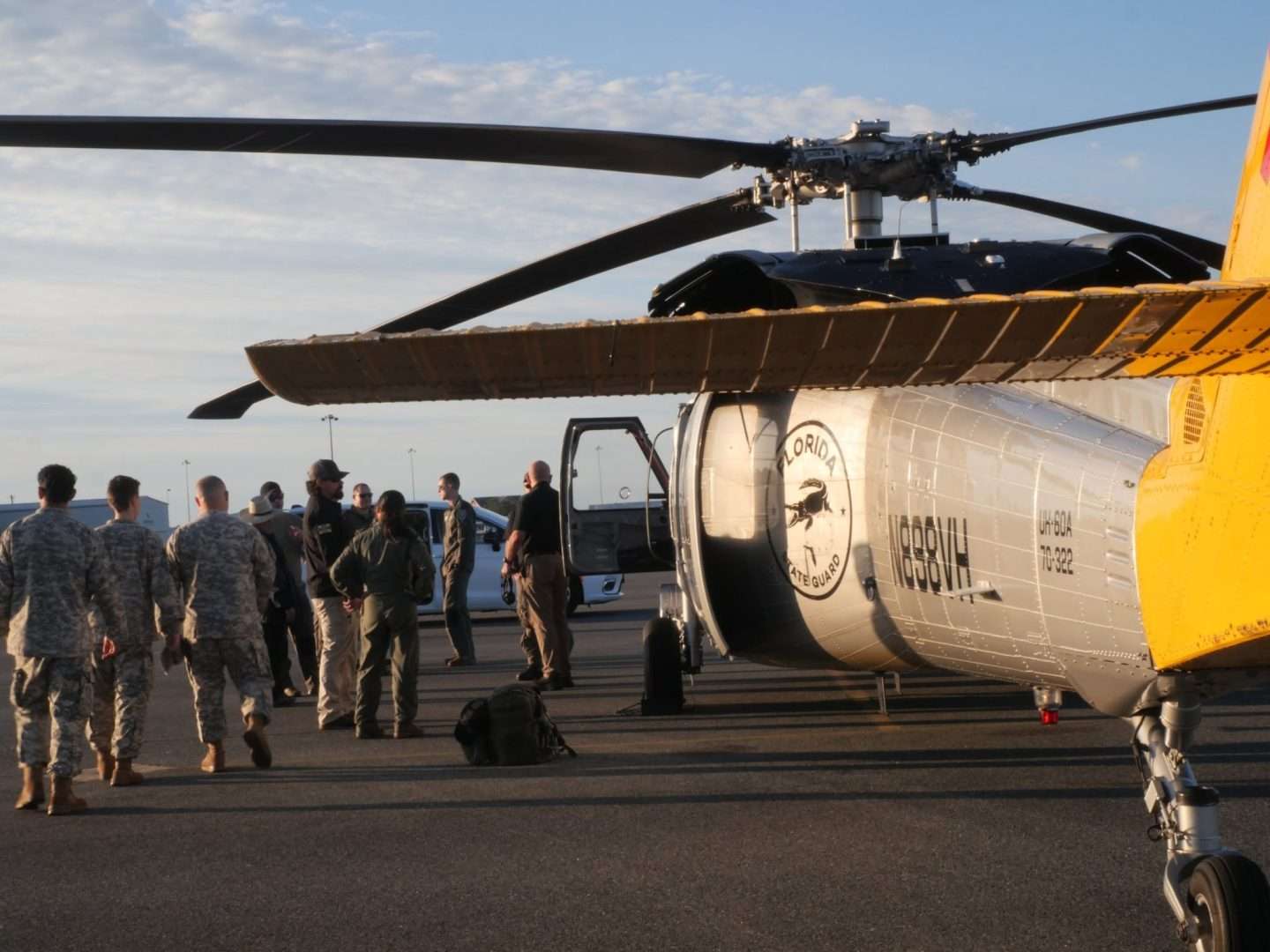
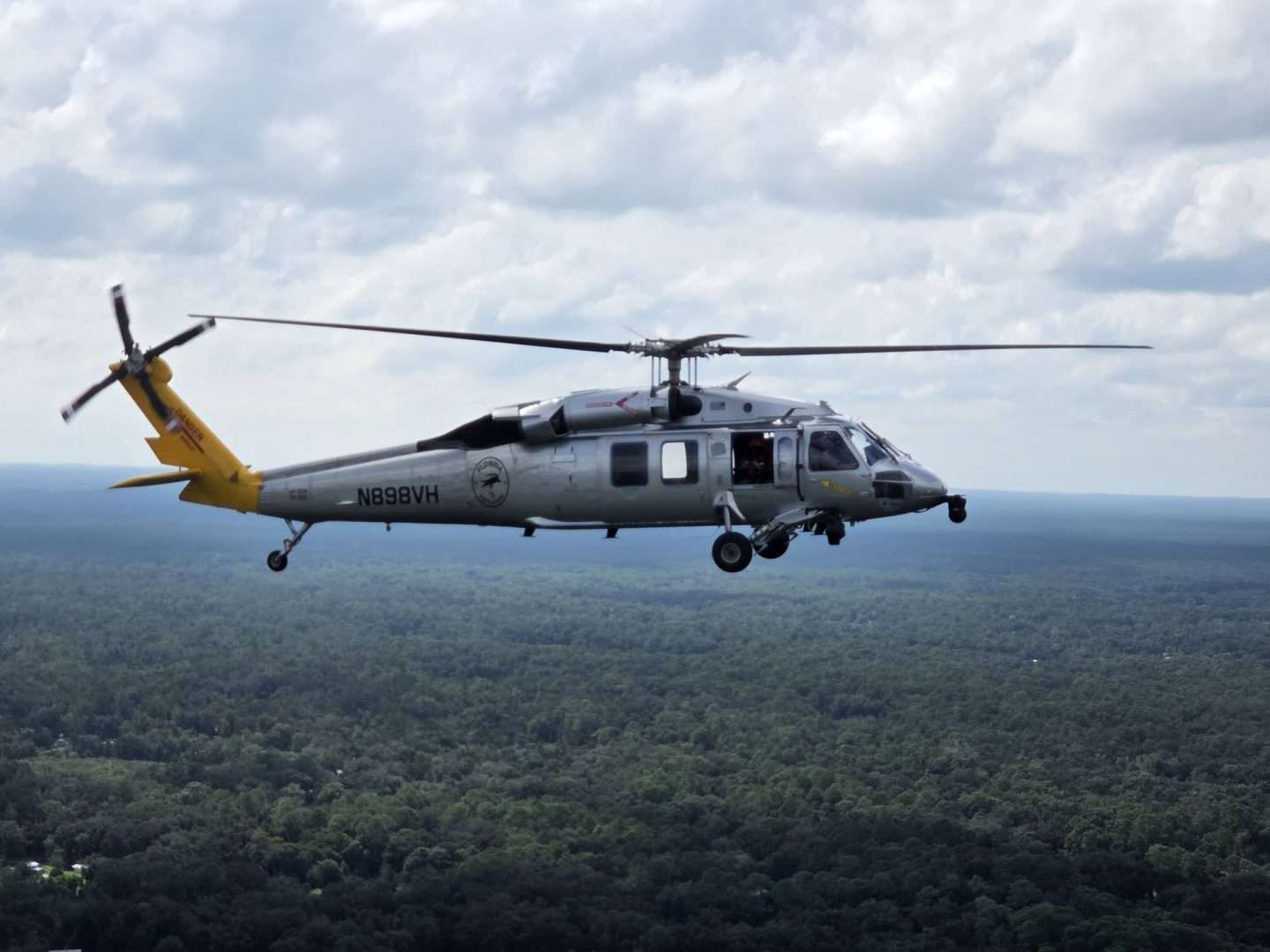
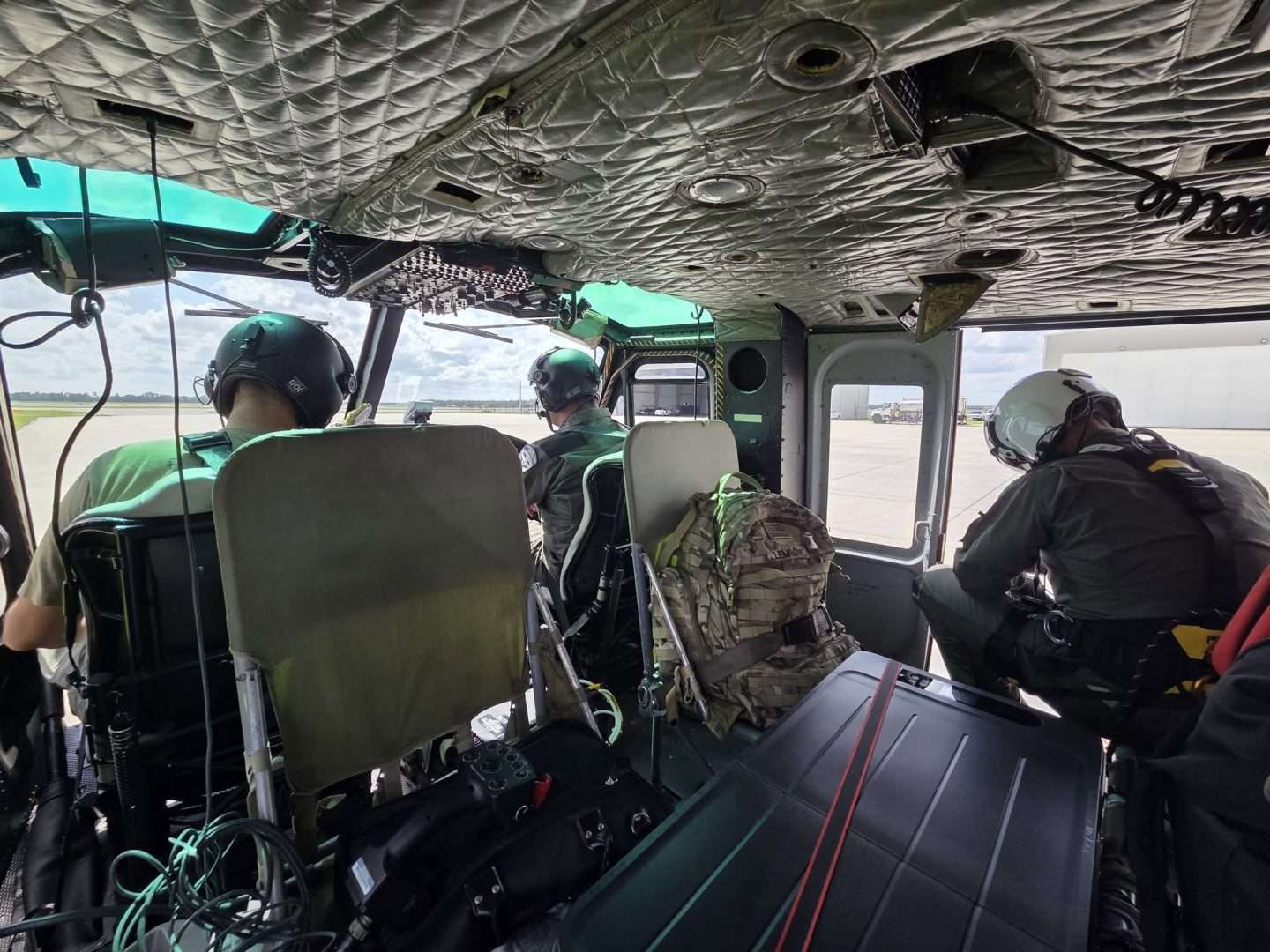
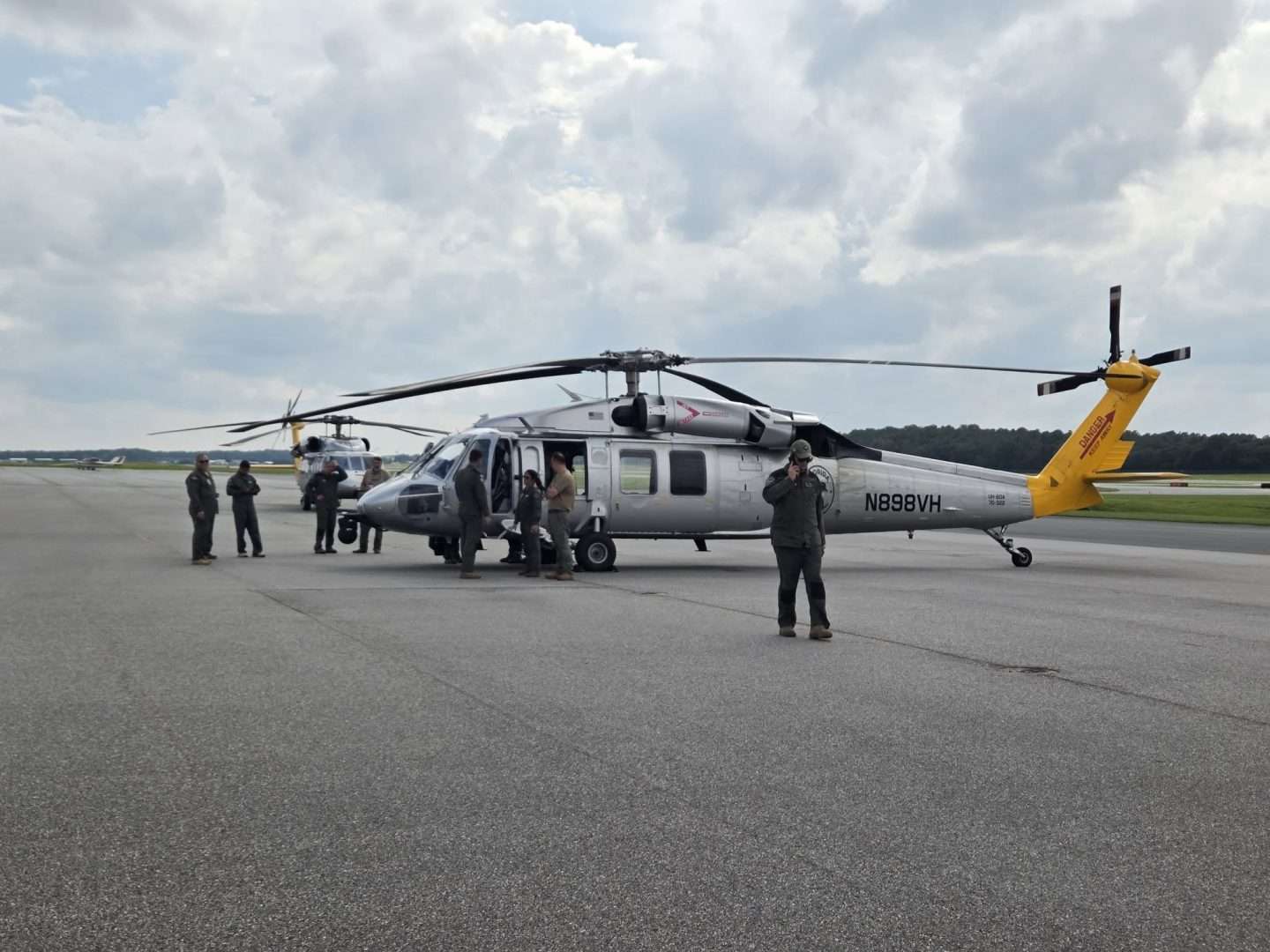
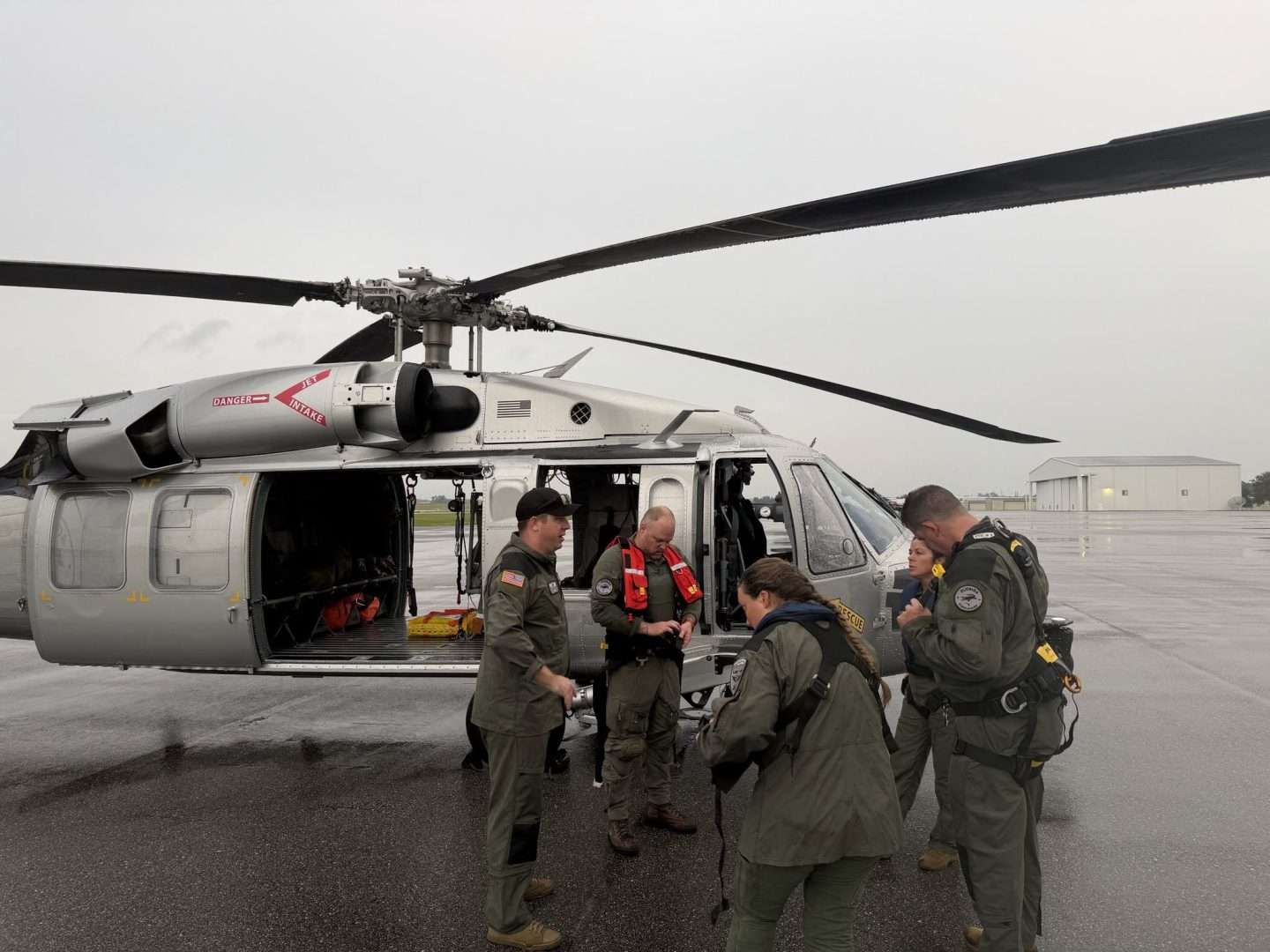
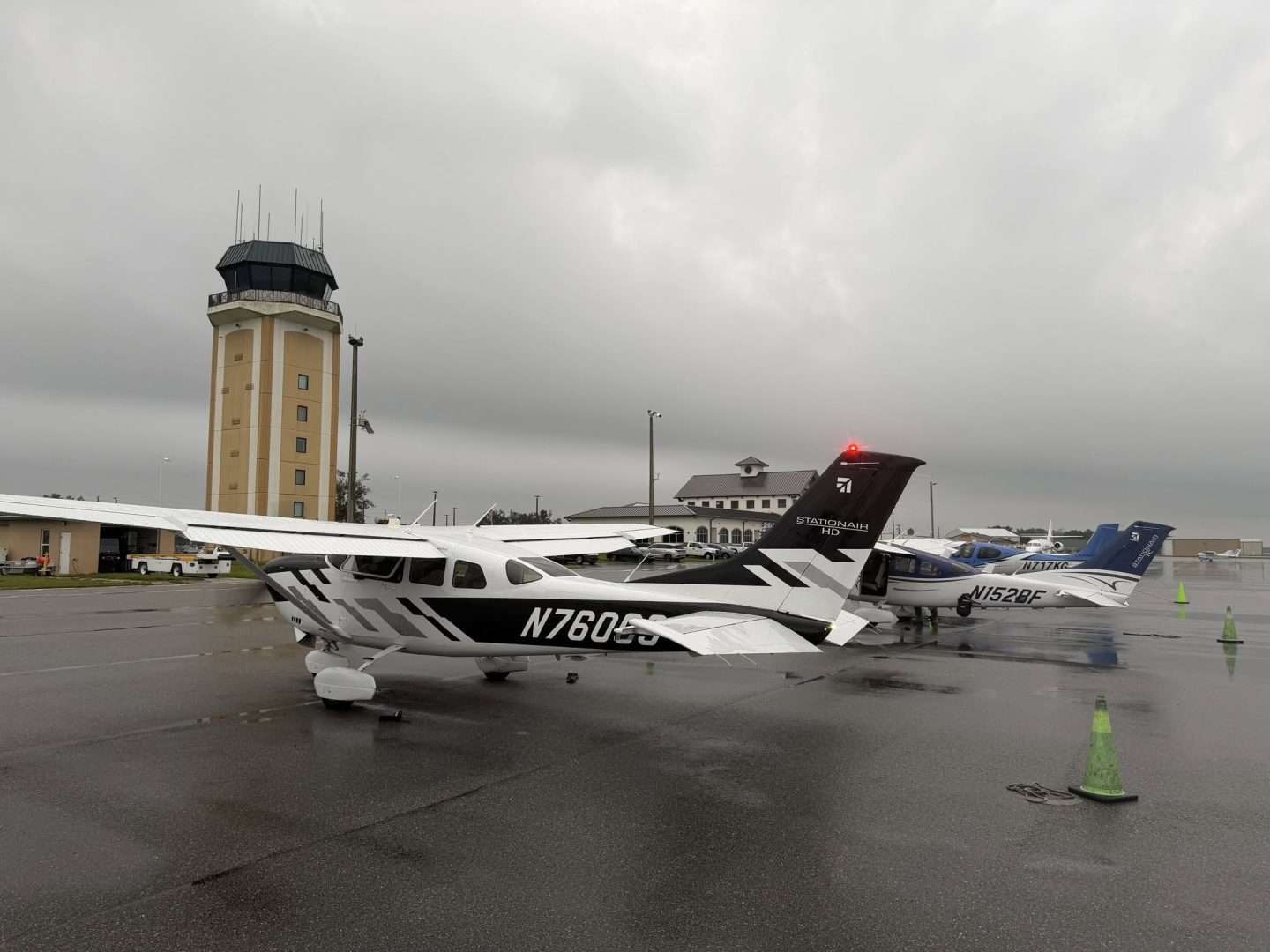
The Florida State Guard also possesses an aviation capability that remains exceptionally uncommon among State Defense Forces. Its Aviation Response Squadron operates rotary-wing helicopters and fixed-wing aircraft, including a Sikorsky UH-60 Black Hawk helicopter, a Bell 412 helicopter, and Cessna 206 aircraft. These aircraft provide capabilities ranging from aerial search and rescue and personnel transportation to reconnaissance, emergency logistical support, and the movement of rescue personnel into otherwise inaccessible locations. The UH-60 Black Hawk offers significant personnel and equipment transport capabilities, while the Bell 412 provides external hoist capabilities useful for search and rescue operations over both land and water. During Hurricane Isaias, Florida officials reported that State Guard aircraft were supporting reconnaissance, damage assessments, and search and rescue operations, with five aircraft participating in response missions according to recovery updates. Manned and unmanned aviation teams worked together to guide ground personnel and improve the efficiency of recovery operations.
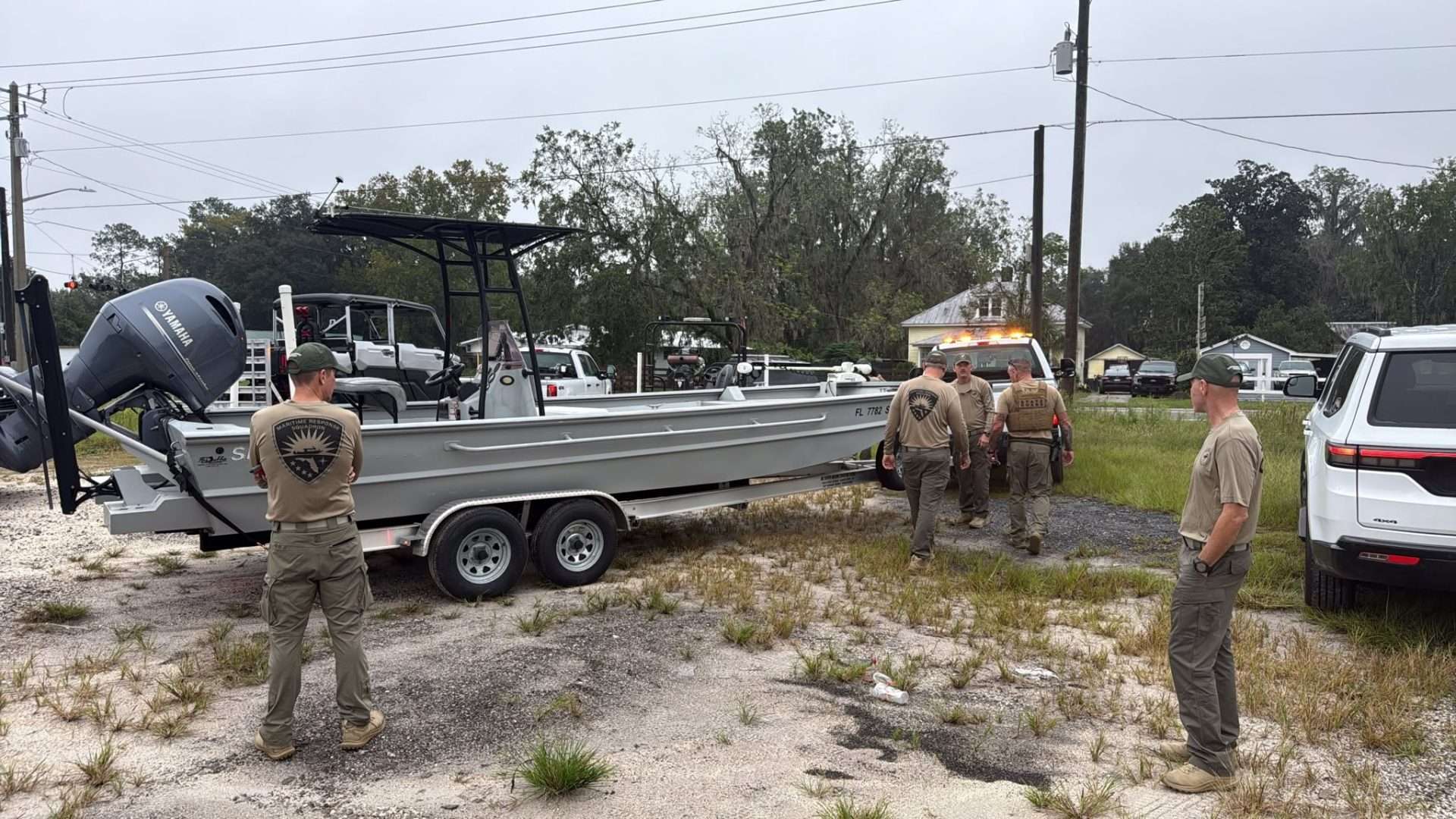
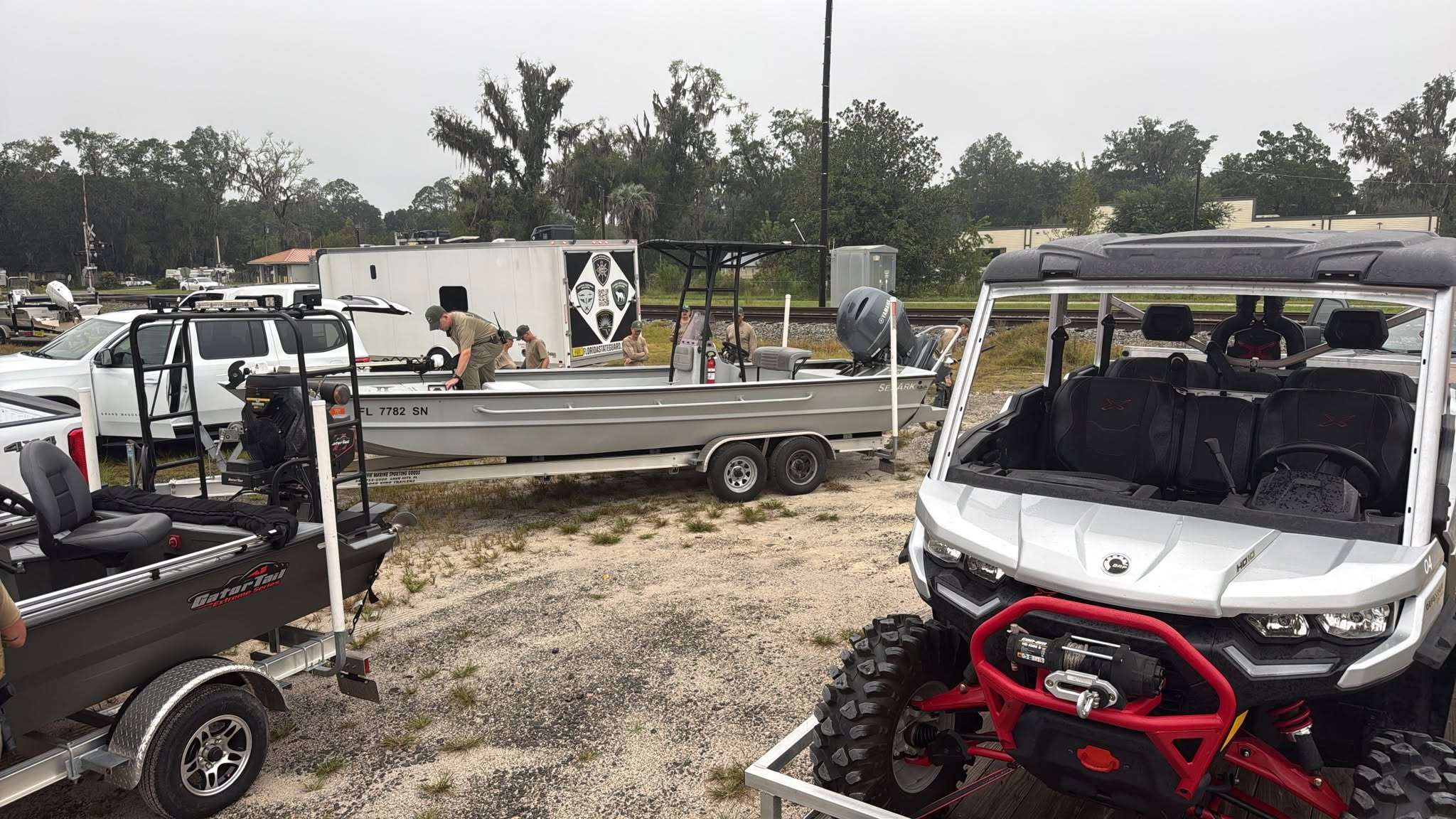
At sea, the Florida State Guard Maritime Response Squadron mobilized its extensive fleet of rescue vessels to support coastal communities and waterways affected by the hurricane. Eight shallow-water boat teams were assigned to maritime search and rescue operations, waterway reconnaissance, and preliminary damage assessments. These vessels allow State Guard personnel to navigate waterways where flooding, submerged hazards, damaged docks, or floating debris can prevent conventional emergency vehicles from reaching stranded residents. During post-storm reconnaissance, members of the Maritime Response Squadron identified a derelict vessel that had sunk during Hurricane Isaias. The team documented the vessel’s location and transmitted the information to the Florida Fish and Wildlife Conservation Commission (FWC) for official tagging and appropriate follow-up, helping authorities identify a potential navigational hazard.
As immediate rescue operations transitioned into recovery, Florida State Guard personnel continued working closely with federal, state, and local emergency management agencies. UAS teams supplied reconnaissance information to recovery planners, while cut-and-toss crews cleared routes to allow FEMA’s Joint Preliminary Damage Assessment teams to access affected communities. State Guard transportation and logistical personnel supported the movement of equipment and essential supplies, while aviation and maritime teams continued assessing damage across the region. These coordinated operations demonstrated how a properly equipped State Defense Force can provide specialized capabilities, technical expertise, and additional personnel to strengthen statewide emergency response without requiring the creation of an entirely new response organization whenever a natural disaster strikes.
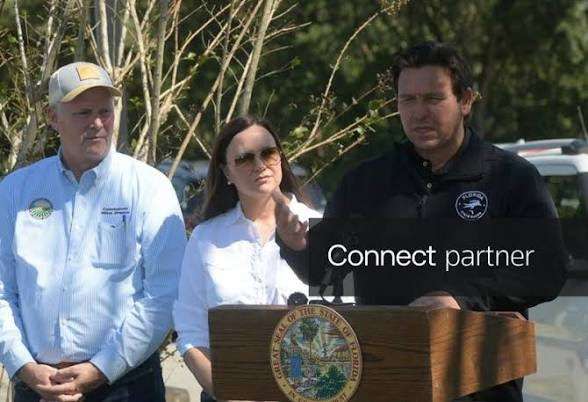
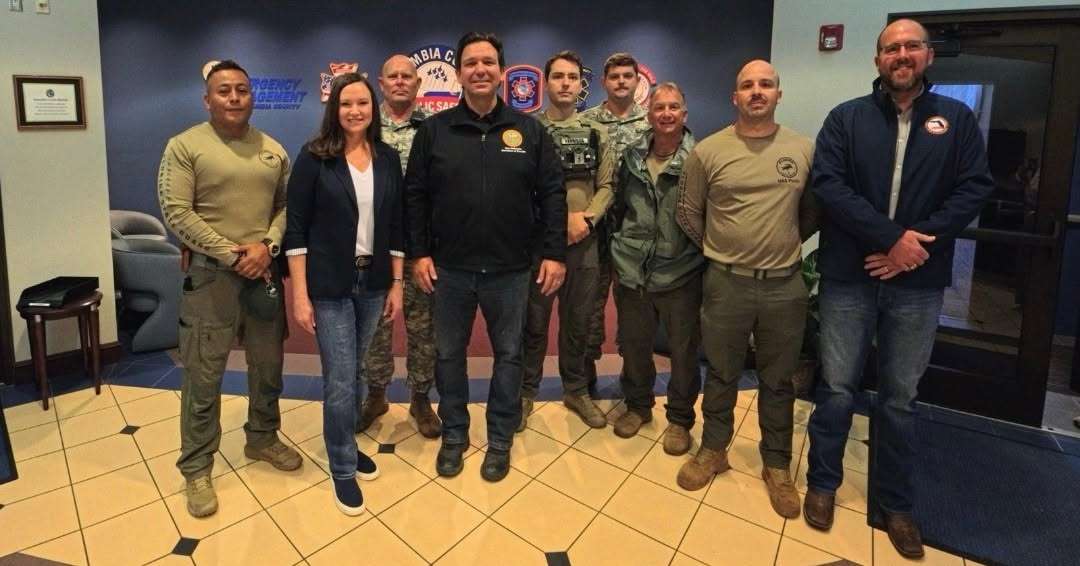
Governor Giving Press Conference Wearing Florida State Guard Shirt
By October 13, Governor DeSantis announced that electricity had been restored to approximately 95% of customers affected by Hurricane Isaias, while eleven Points of Distribution (POD) were operating across Escambia, Santa Rosa, Walton, and Washington counties to provide residents with water, meals, ice, tarps, and other essential supplies. Recognizing the importance of long-term infrastructure resilience, the Governor also announced $27 million through Florida’s Rural Infrastructure Fund for projects in fourteen rural communities statewide, including approximately $18.5 million for eight communities and counties throughout the Panhandle. These longer-term investments will support roadway improvements, water and wastewater infrastructure, health care facilities, and economic development. An additional $499,500 Florida Job Growth Grant Fund award will support building renovations and fire suppression upgrades in the Town of Century. Although these infrastructure grants are distinct from the State Guard’s immediate disaster operations, they represent another component of Florida’s broader recovery and community resilience efforts.
Why the Florida State Guard Has Become One of the Nation’s Most Capable State Defense Forces in the nation?
Some may wonder how the Florida State Guard has expanded so rapidly, acquired advanced aircraft such as the UH-60 Black Hawk, developed extensive maritime capabilities, and established specialized emergency response units that remain uncommon among other State Defense Forces. A significant part of the answer lies in Florida’s optimal and excellent organizational structure as well as the financial support provided by Governor DeSantis and the Florida Legislature. Reactivated in 2022, the Florida State Guard has undergone a substantial expansion in personnel, equipment, training, and operational capabilities. Florida law now authorizes a maximum strength of 1,500 volunteer personnel, with specialized units organized around disaster response, aviation, maritime operations, logistics, and public safety.
Another major difference is the Florida State Guard’s relationship with the Governor and the state’s military establishment. In many states, the State Defense Force operates within a confined military structure with its commander reporting through the Adjutant General and State Military Department before reaching the Governor. And unfortunately in numerous States, Adjutant Generals do not hold positive opinions of State Guards.
Florida has adopted a distinctly different structure. Under Florida Statutes § 251.001, the Florida State Guard is activated only by the Governor and remains under the Governor’s ultimate command and control. The State Guard operates as a separate budget from The National Guard. It is headed by The Florida State Guard Commander who is appointed by the Governor and expressly exempt from the Department of Military Affairs’ control, supervision, or direction. This arrangement provides the State Guard with greater administrative independence over its personnel, procurement, equipment, training, and organizational development, while allowing the Governor to exercise direct activation authority. Combined with established readiness procedures and pre-positioned equipment, this structure can help facilitate rapid mobilization when natural disasters threaten Florida communities.
For the State Guard & Defense Force Council, Florida’s approach represents an important example of how states can develop dedicated. The Florida State Guard is the future of State Defense Forces. They are not subject to animosity by some senior leaders in The States’ Military leadership, which allows them to quickly activate, deploy, and save the lives of Floridians.
We at StateDefenseForce.com would like to commend and thank the men and women of The Florida State Guard for their service.
How to Join The Florida State Guard: Apply On Their Website – Click Here
We also would like to highlight the INCREDIBLE Public Affairs (PAO) coverage The Florida State Guard PAO Team has provided throughout this mission.
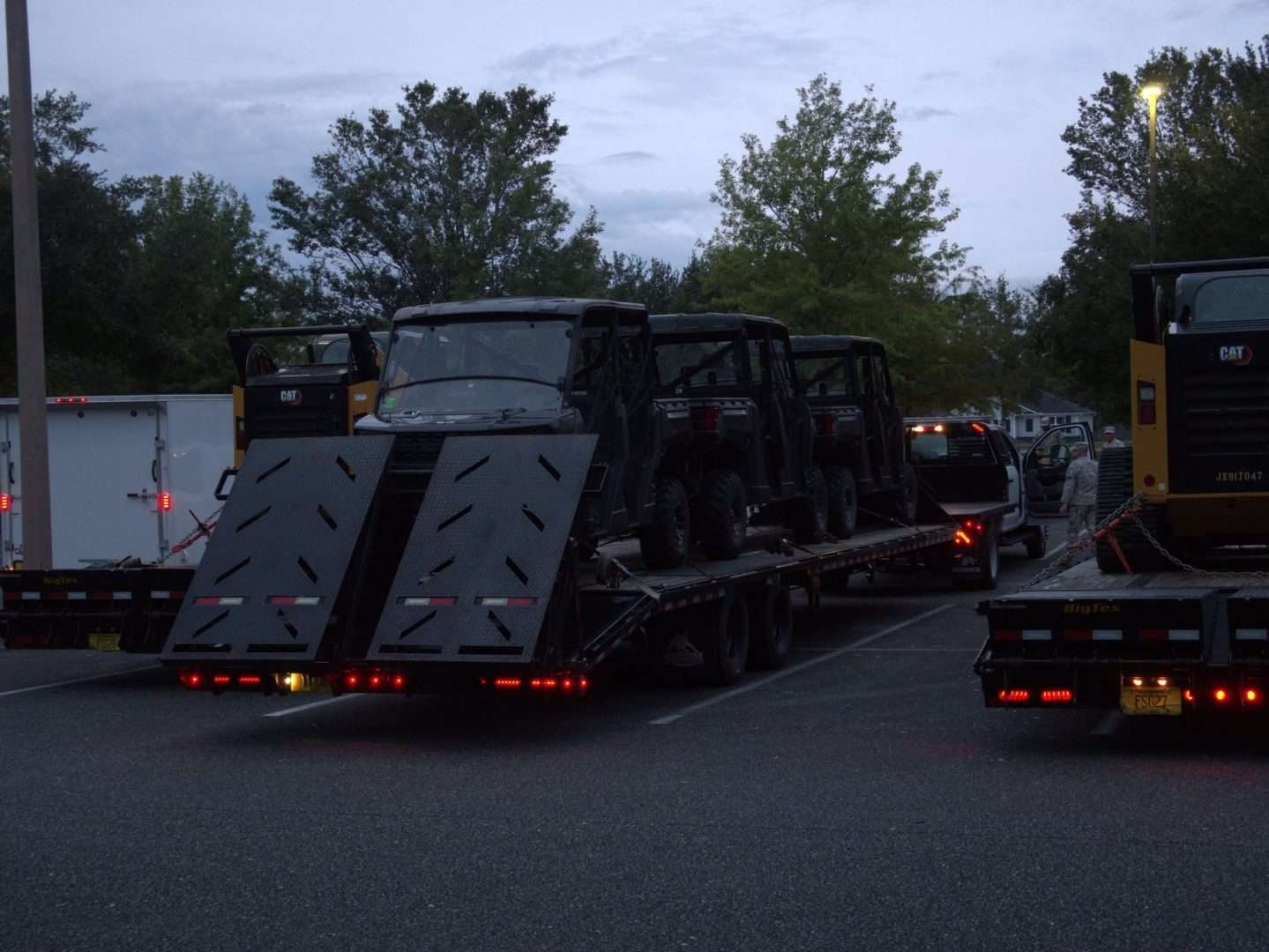
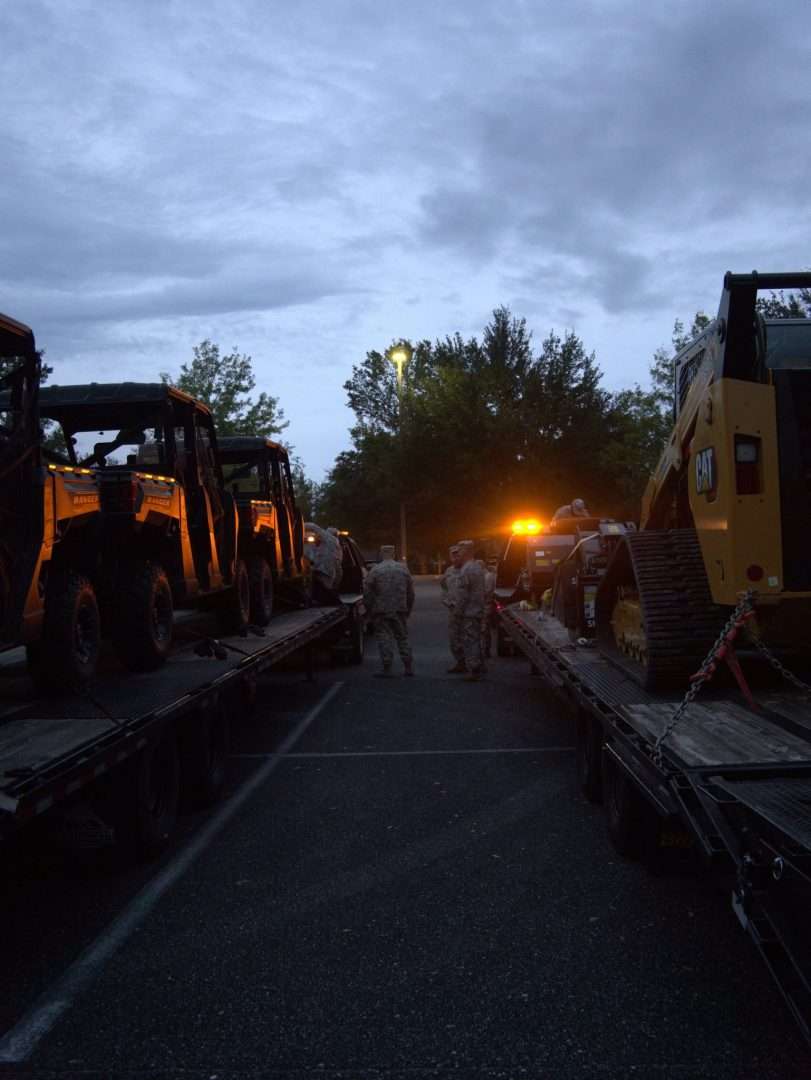
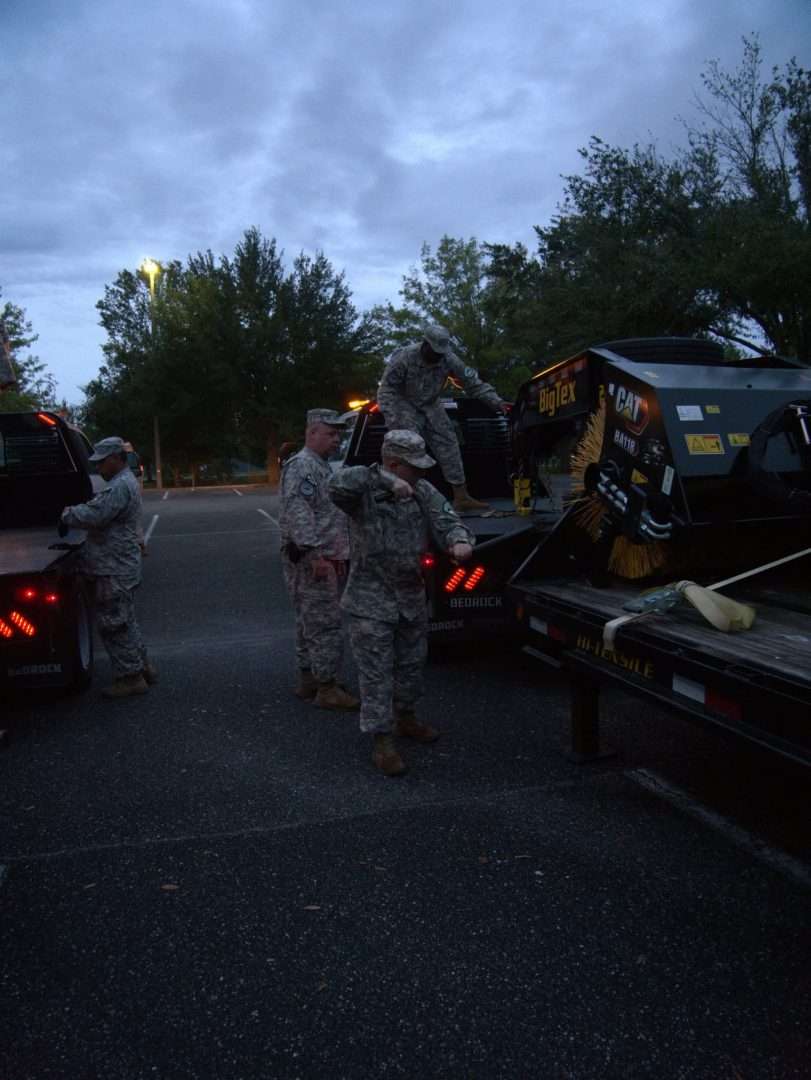
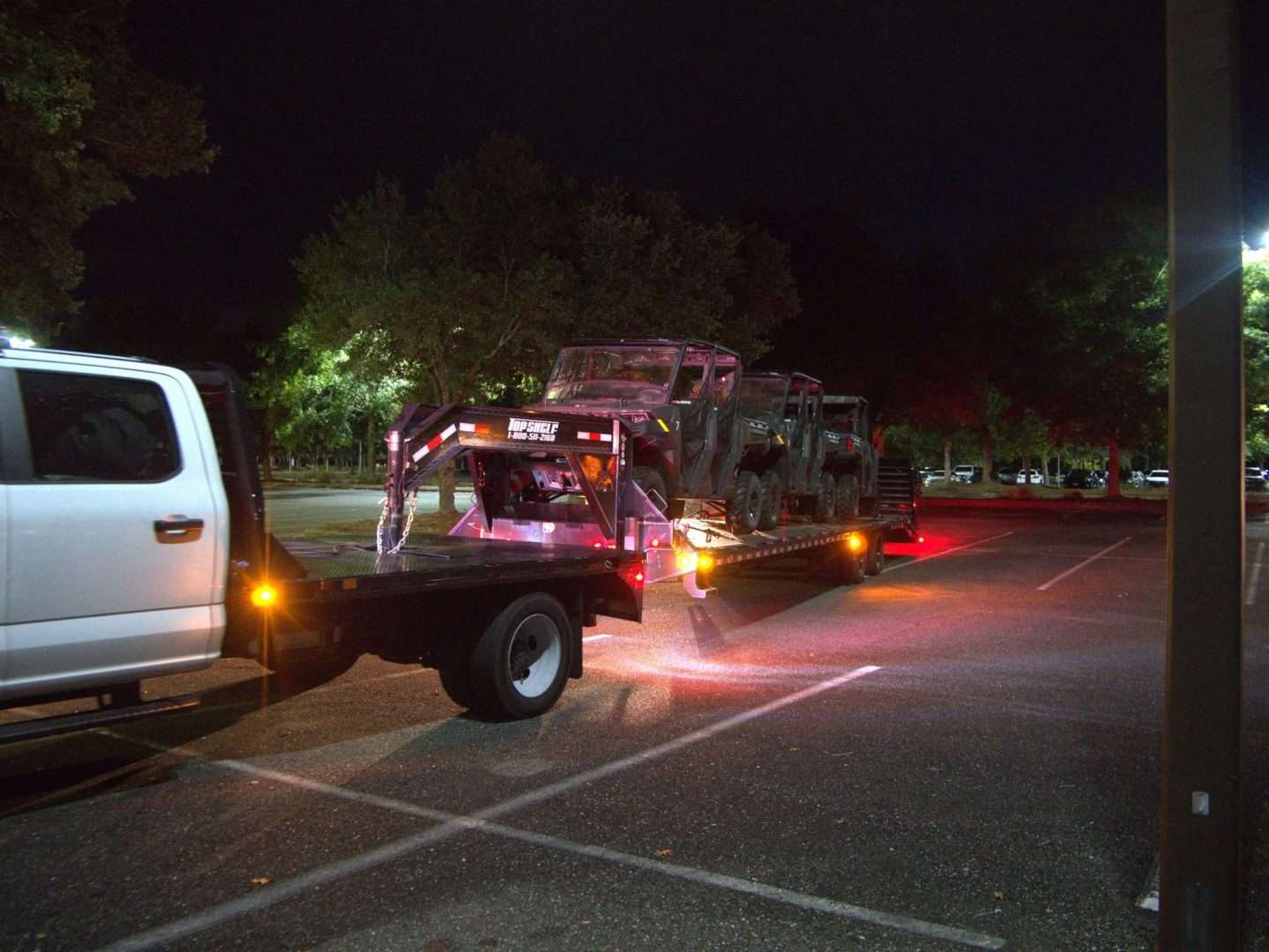
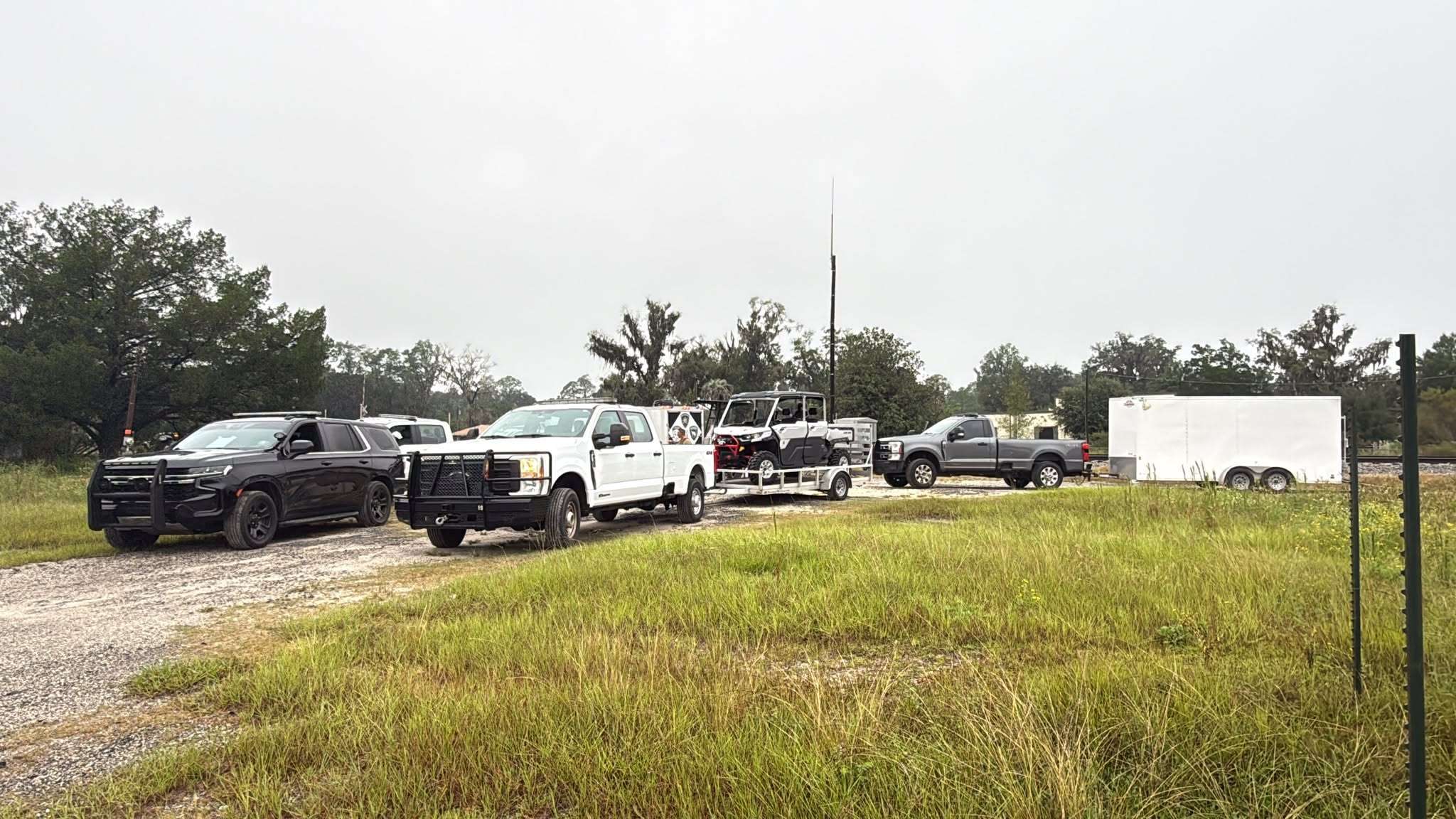
The Florida State Guard is on the road and headed to Escambia County.
In response to a request for assistance from the county, members of the Crisis Response Battalion and the Maritime Response Squadron are providing critical vehicles, vessels and teams equipped to support both water and dry land rescues, including cut-and-toss teams ready to remove storm debris.
The Florida State Guard is proud to serve Florida and provide support at the local level as we await the arrival of Hurricane Isaias
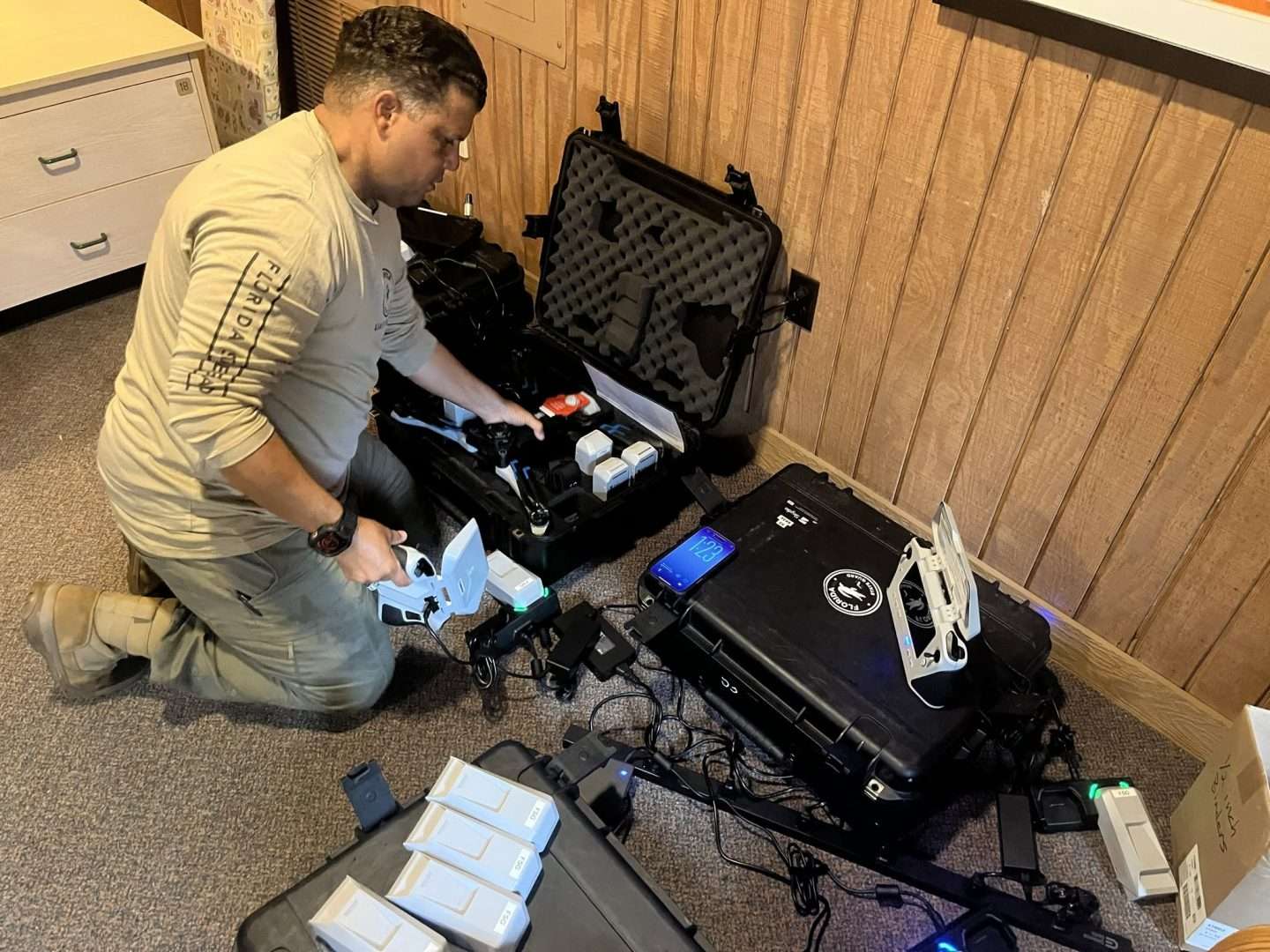
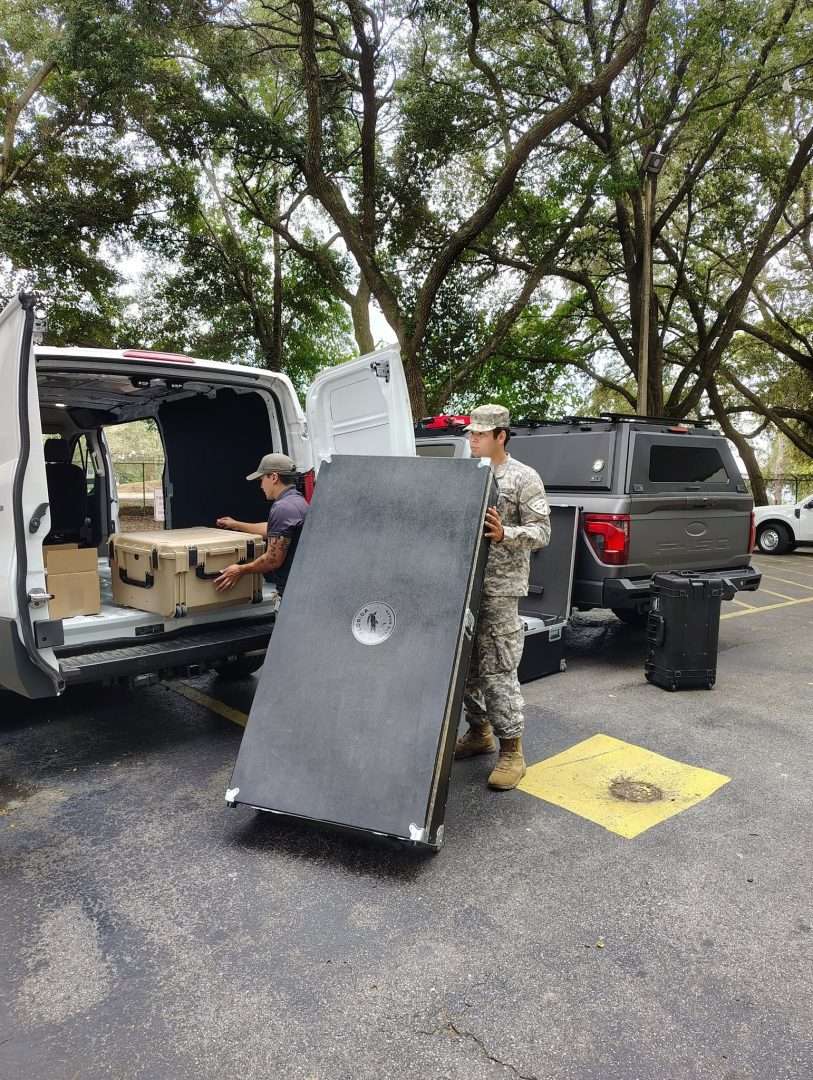
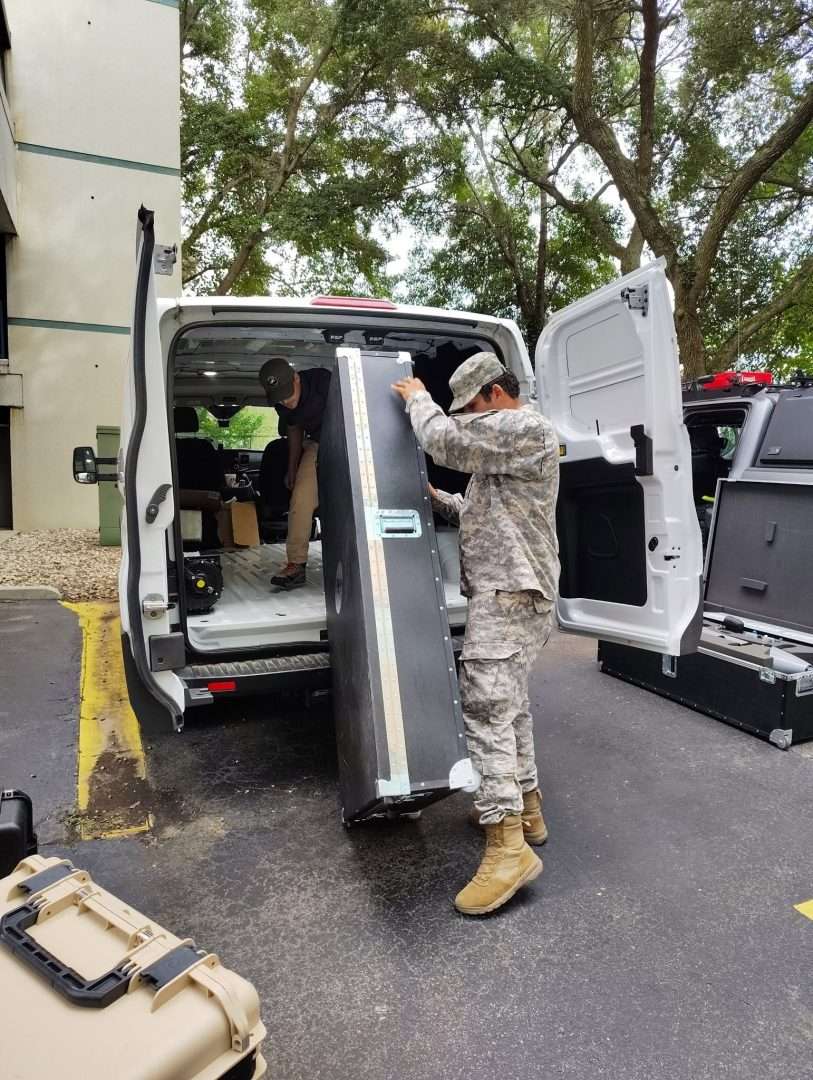
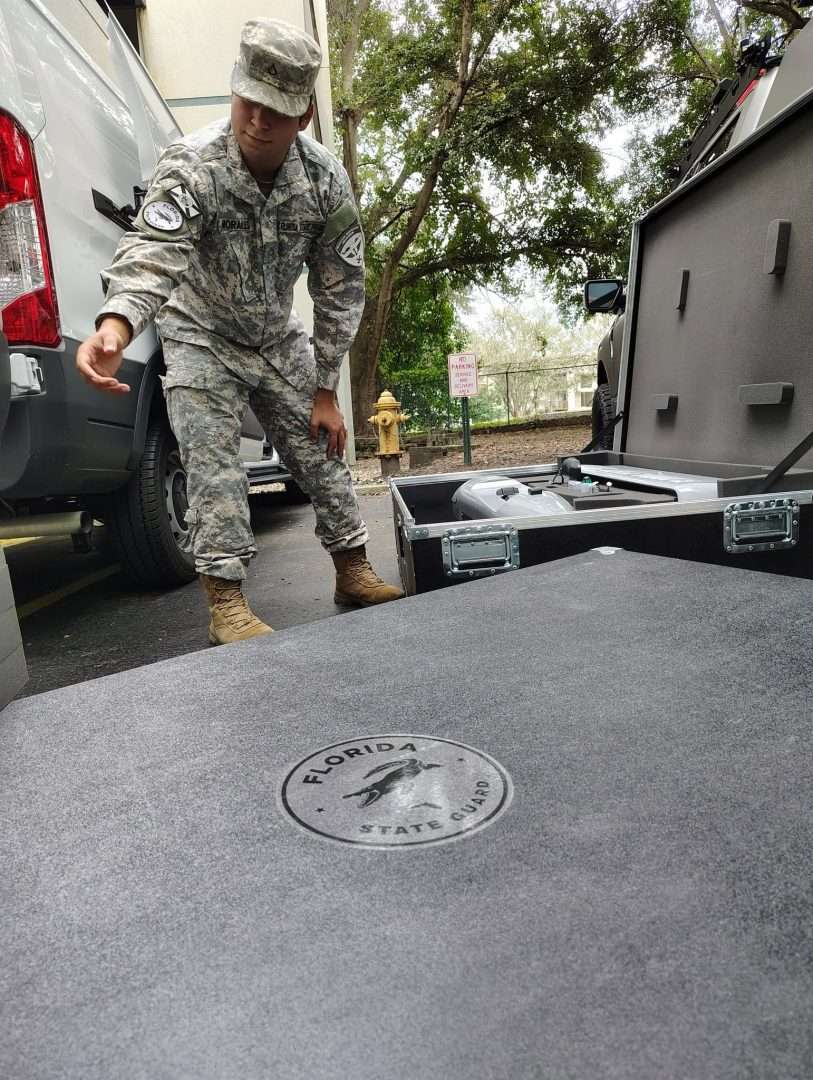
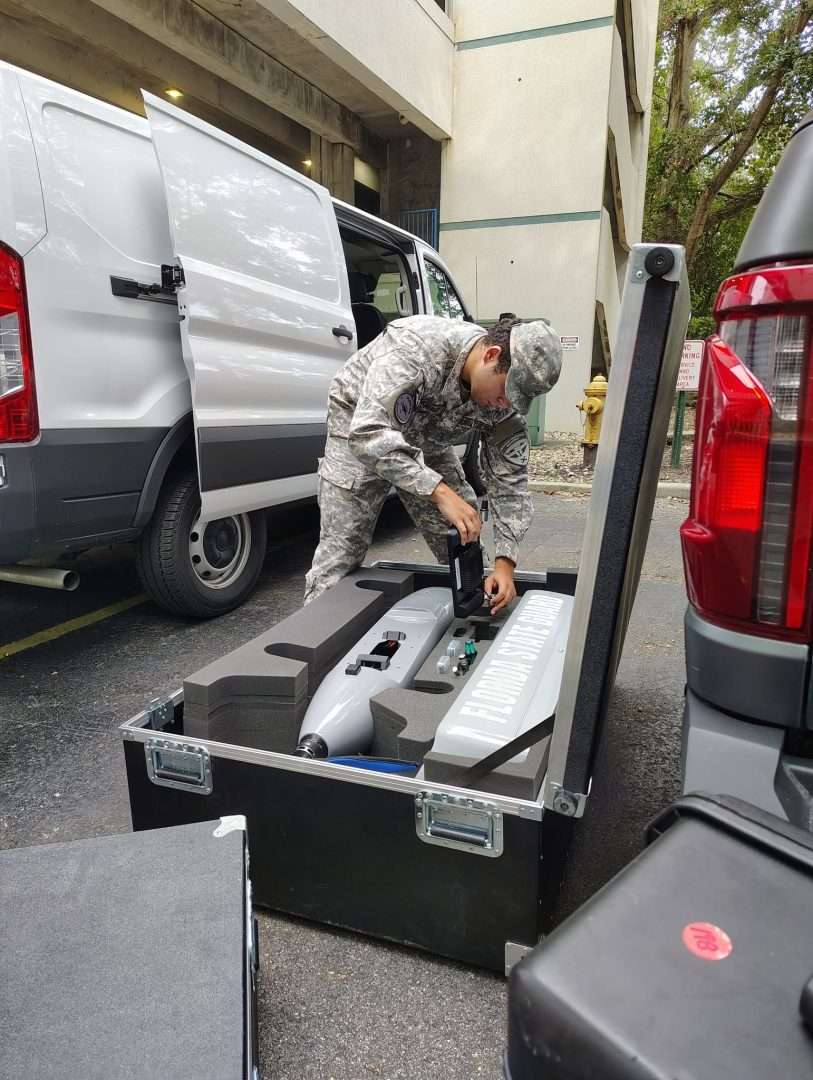
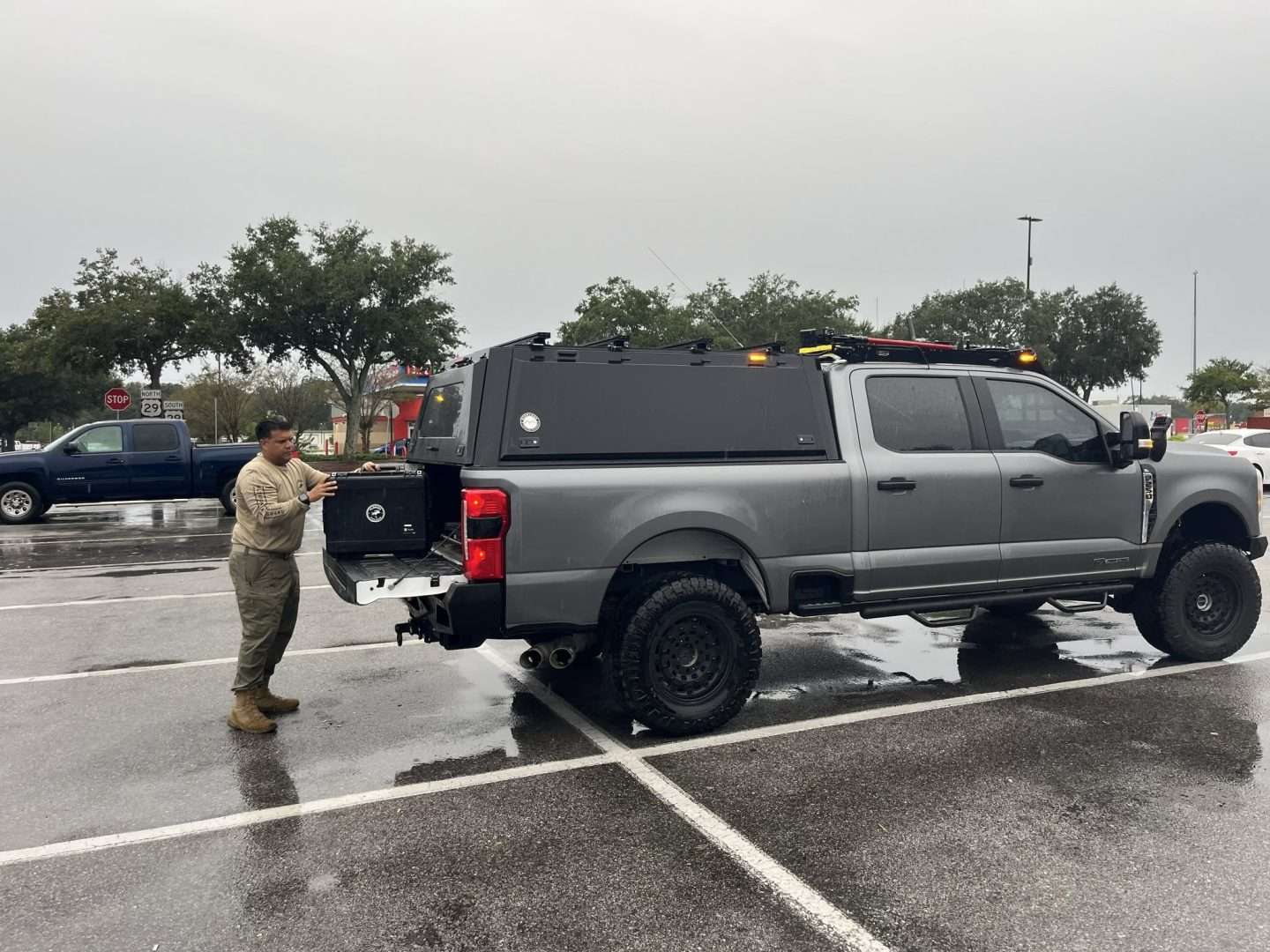
The FSG Unmanned Aircraft Systems (UAS) team is packing up, loading up, and following the convoy of the Crisis Response Battalion and Maritime Response Squadron to support Escambia County ahead of Hurricane #Isaias. While there they will provide aerial support to assess critical infrastructure damage, collect imagery for the purpose of route assessment, document storm impacts, and engage in search and rescue operations.
With their eyes in the sky, they will be able to provide essential information to ground and maritime crews working to restore affected areas following landfall
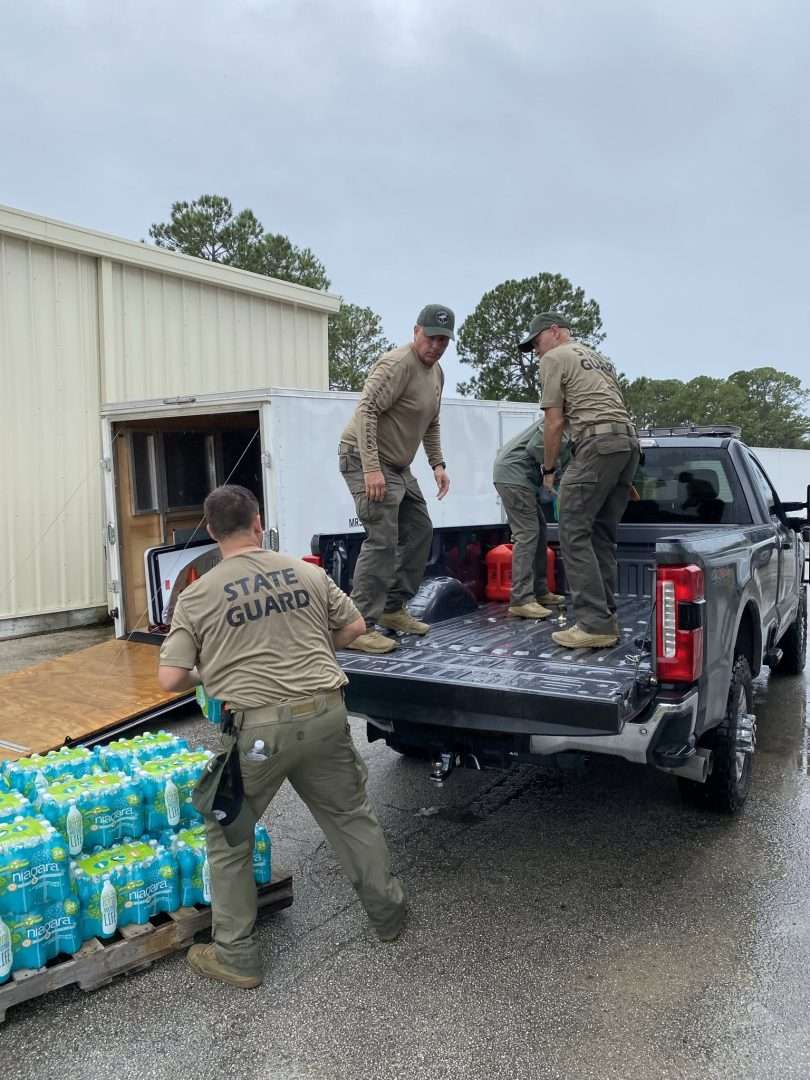
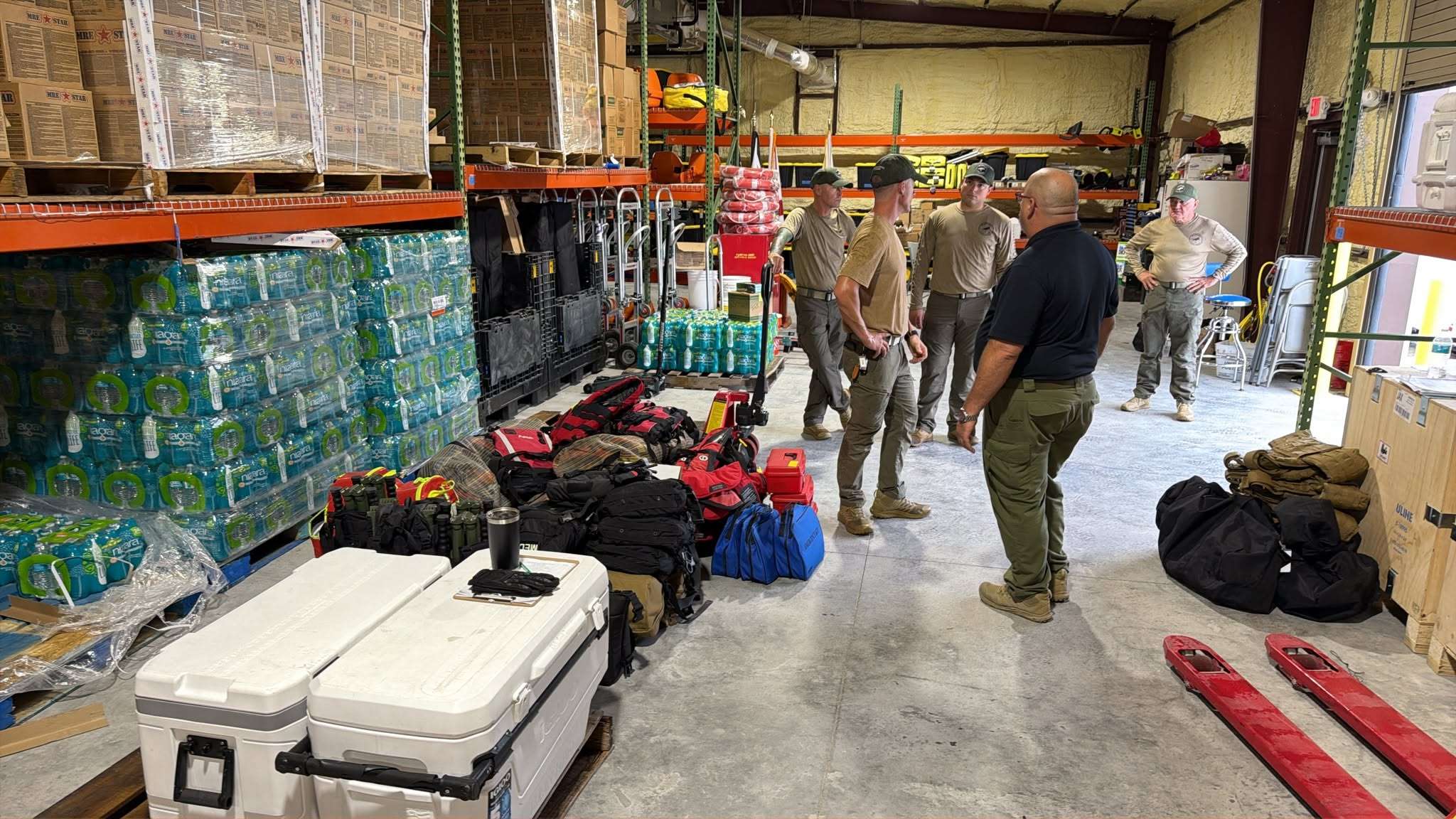
The Maritime Response Squadron has been on the move as Hurricane #Isaias approaches, stocking water, MREs, emergency bags, life vests, and equipping vessels for swift response.
Every member of the team is prepped and ready to serve Floridians with excellence.
The Crisis Response Battalion has touched down in the Panhandle and teams are steadily positioning equipment, securing supplies, and preparing assets to support rapid recovery efforts.
Their mission is clear: support Florida’s communities in the critical hours ahead.
The Florida State Guard is proud to serve under the strong leadership of Governor DeSantis.
Our soldiers are actively preparing for the landfall of Hurricane #Isaias and are equipped to rapidly support recovery efforts.
Florida State Guard units are mobilizing ahead of Hurricane #Isaias’ landfall. Teams across the Panhandle are fully equipped with essential supplies, vehicles, and mobile command centers to support communities in the storm’s path.
Putting Florida first, we stand ready to respond.
Stage Today to Recover Tomorrow.
The Unmanned Aircraft Systems (UAS) team is conducting comprehensive inspections of all equipment to ensure reliable, high‑quality live‑streaming capabilities across the state. These real‑time aerial feeds play a critical role in supporting response teams and decision‑makers as they assess damage and coordinate recovery efforts in the aftermath of Hurricane #Isaias. By ensuring every system is functioning at peak performance, the UAS team will provide the vital situational awareness needed to protect communities and accelerate statewide relief operations.
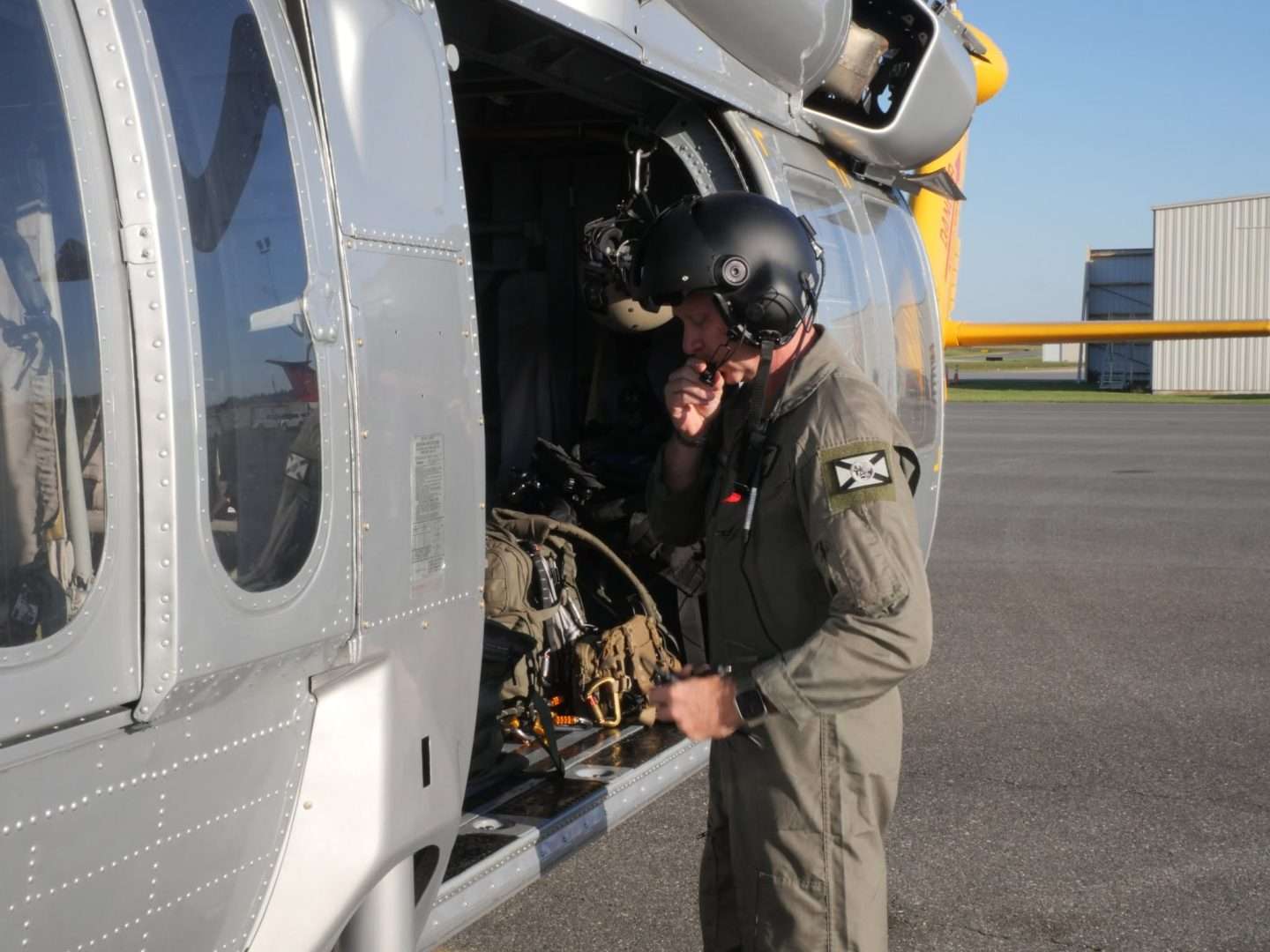
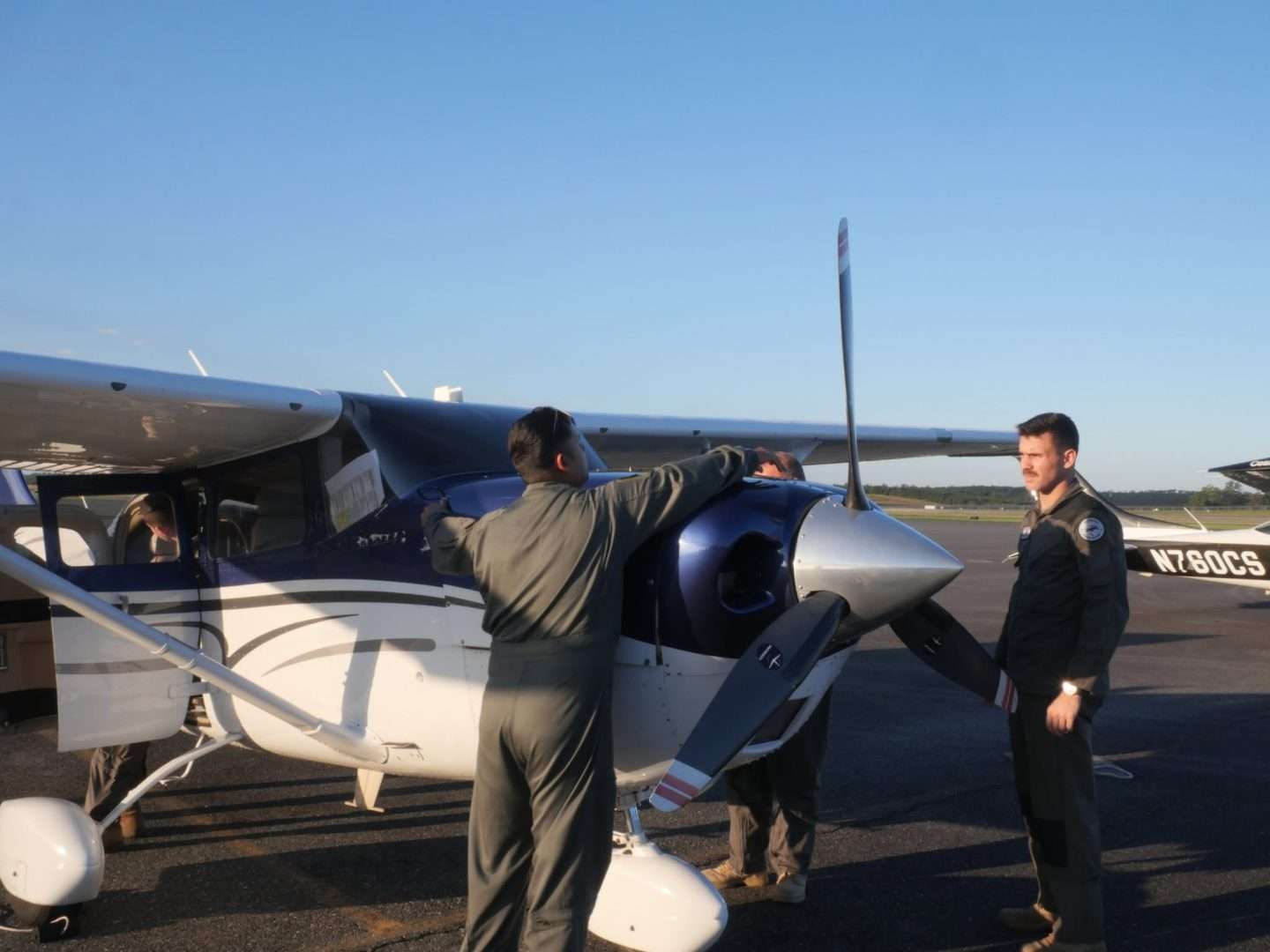
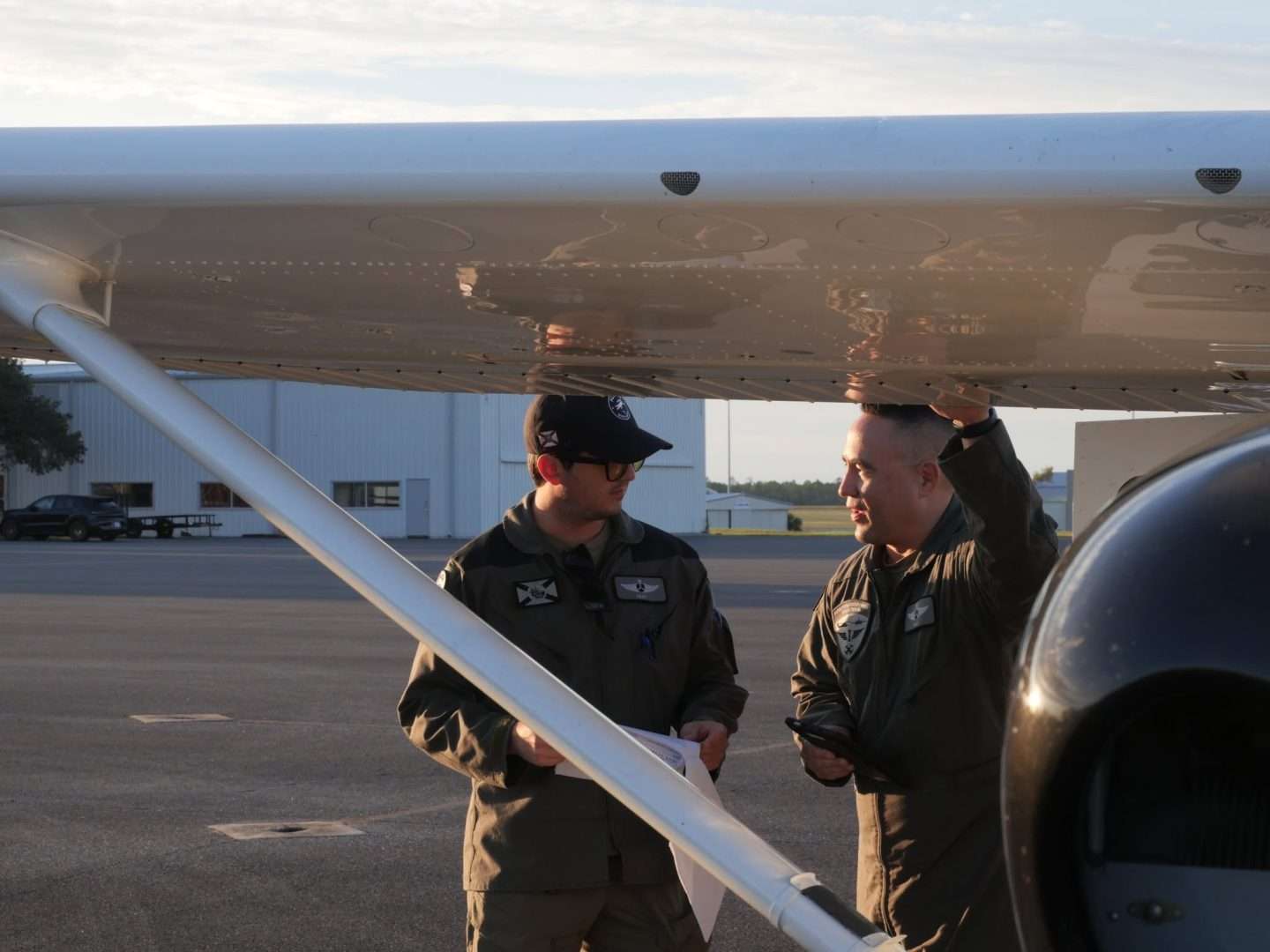
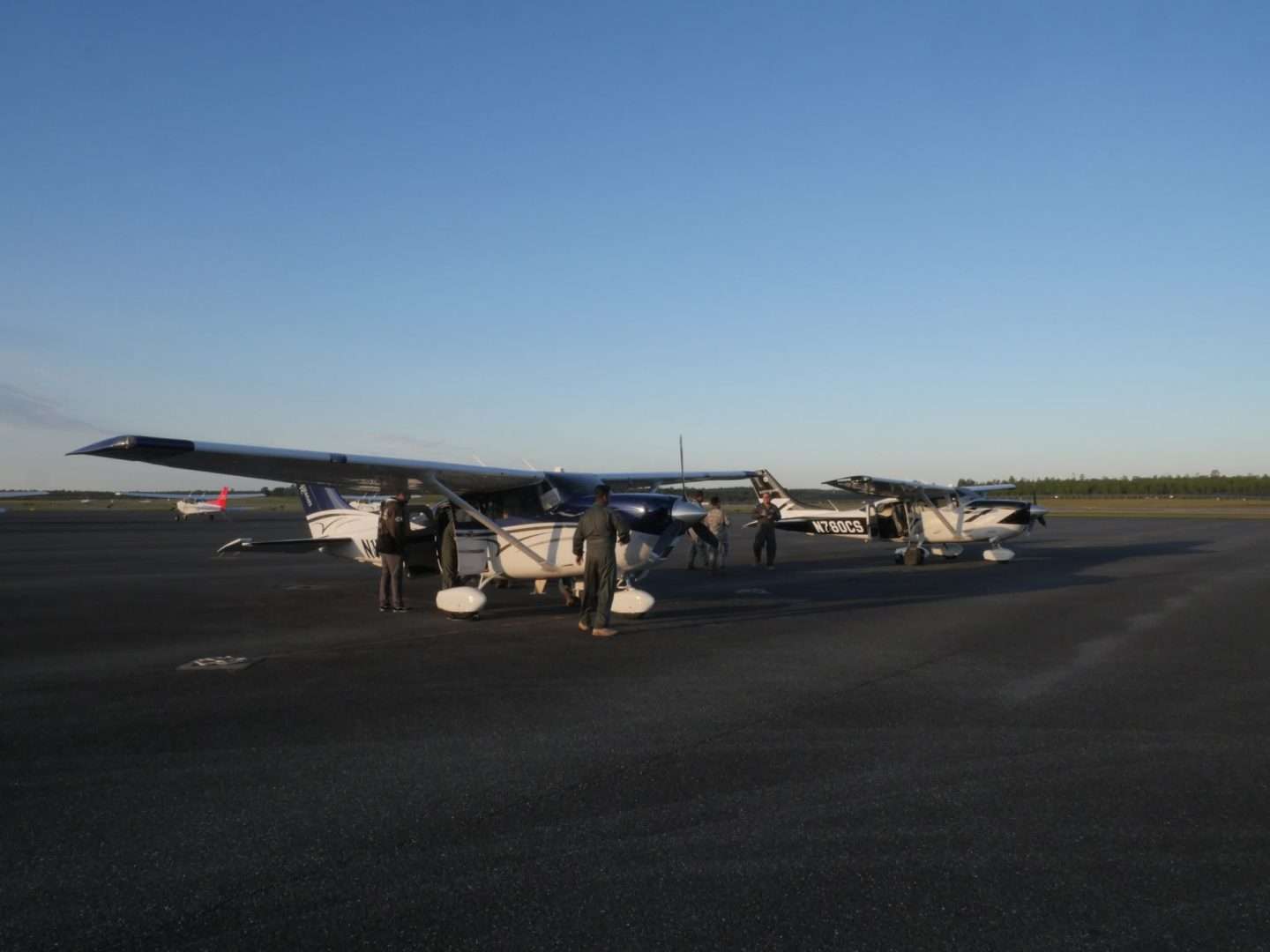
The Aviation Response Squadron is demonstrating exceptional readiness and capability as they mobilize rotary‑wing and fixed-wing aircraft in support of critical reconnaissance operations. Their rapid deployment, aerial coordination, and mission-focused execution ensures that responders receive the timely intelligence needed to make informed decisions in dynamic environments. From meticulous planning on the ground to precise maneuvering in the air, the team is committed to excellence, safety, and unwavering operational support.
Cut-and-toss teams have been actively working since 1:30 a.m. in Holmes and Escambia Counties executing operations to clear fallen trees and clear vital roadways. Their rapid, coordinated response ensures that emergency services, utility partners, and residents can move safely through impacted areas as recovery efforts continue. With chainsaws, heavy equipment, and unwavering determination, these teams are working tirelessly to remove debris, restore access, and support the community in the aftermath of Hurricane #Isaias.
In the aftermath of Hurricane #Isaias, FSG is joining forces with partner agencies to support recovery and restoration efforts.
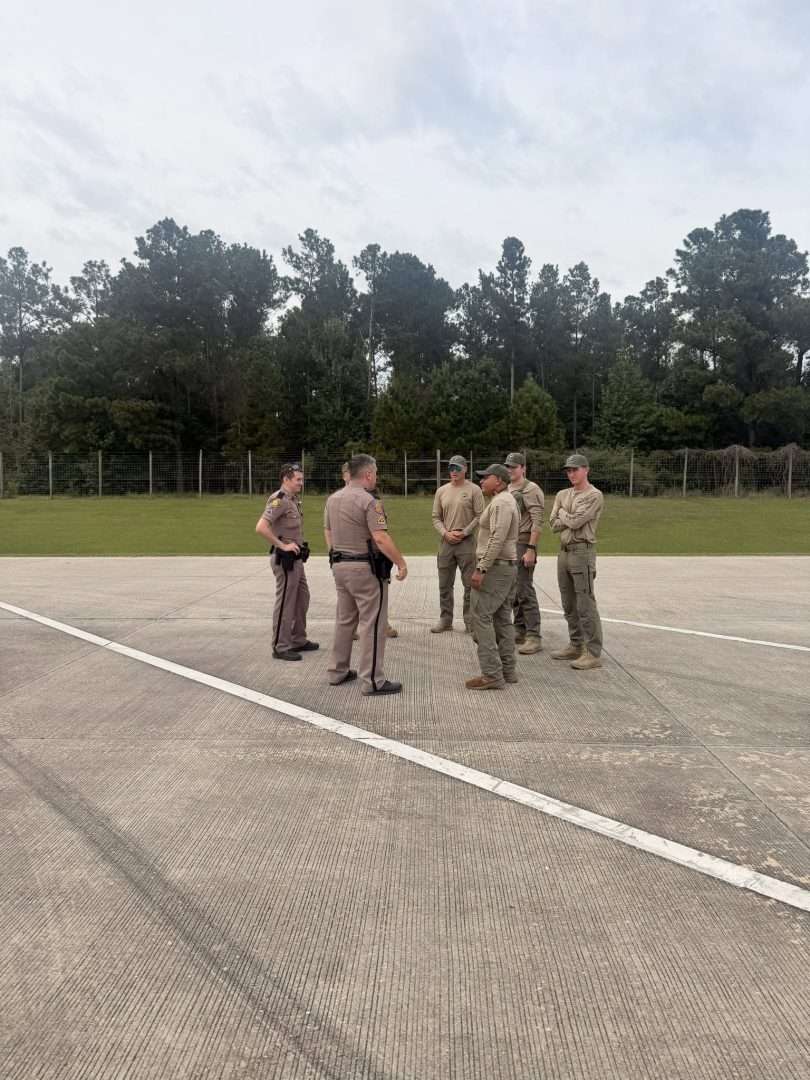
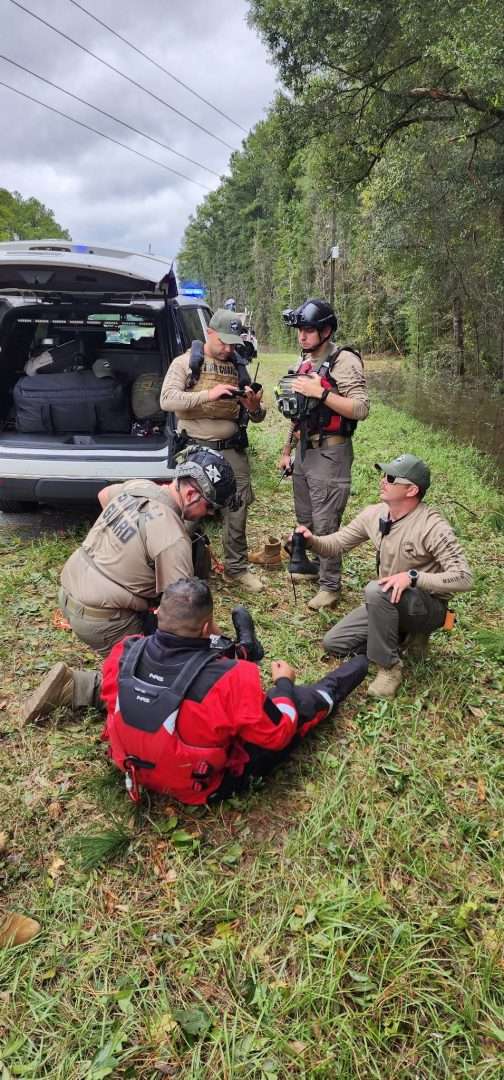
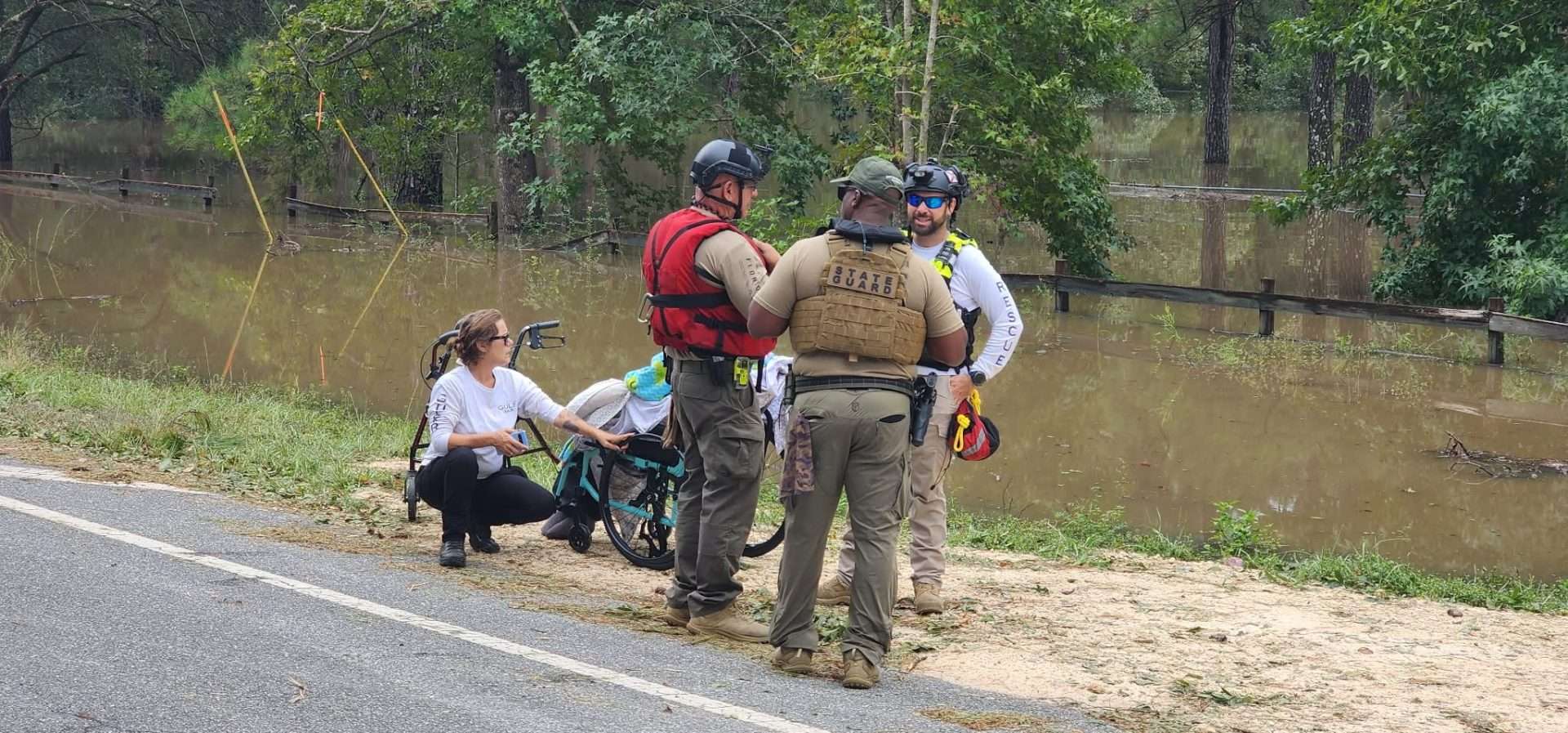
Today, FSG air, ground, and maritime units assisted the Florida Highway Patrol and the Walton County Sheriff’s Office by providing amphibious rescue vehicles and teams, along with manned and unmanned aircraft, to help restore and recover flooded areas and conduct search and rescue operations.
When it comes to disaster response, Florida leads the way.
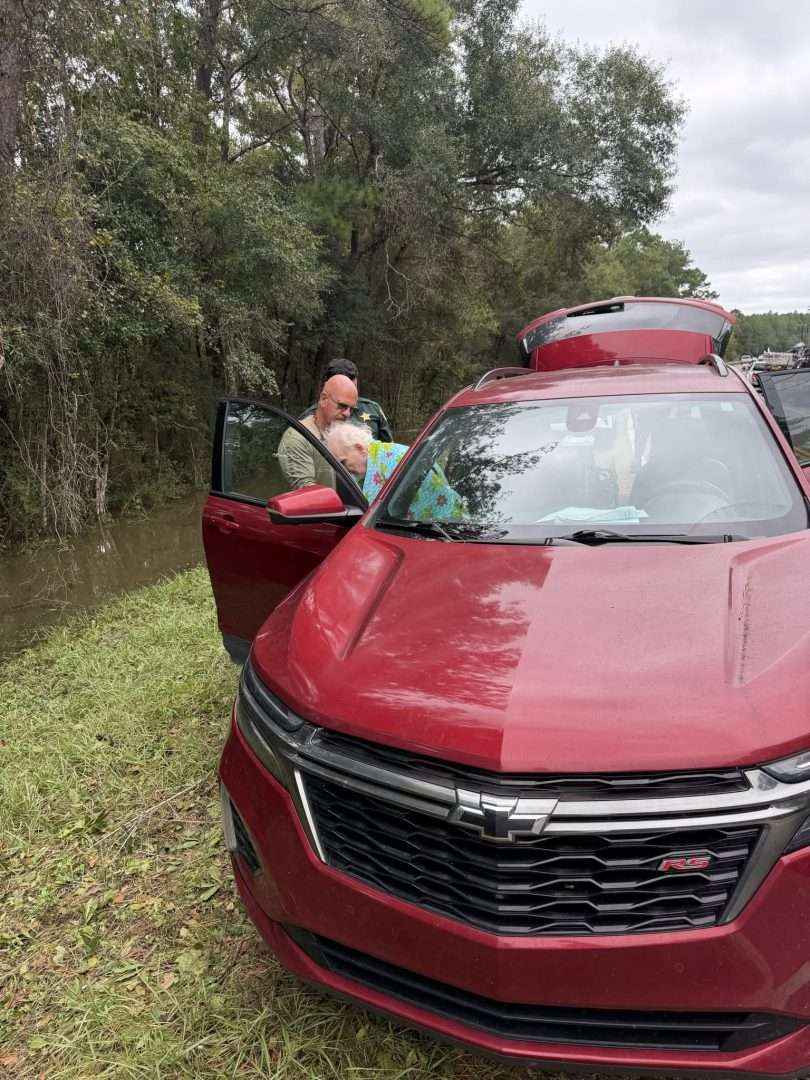
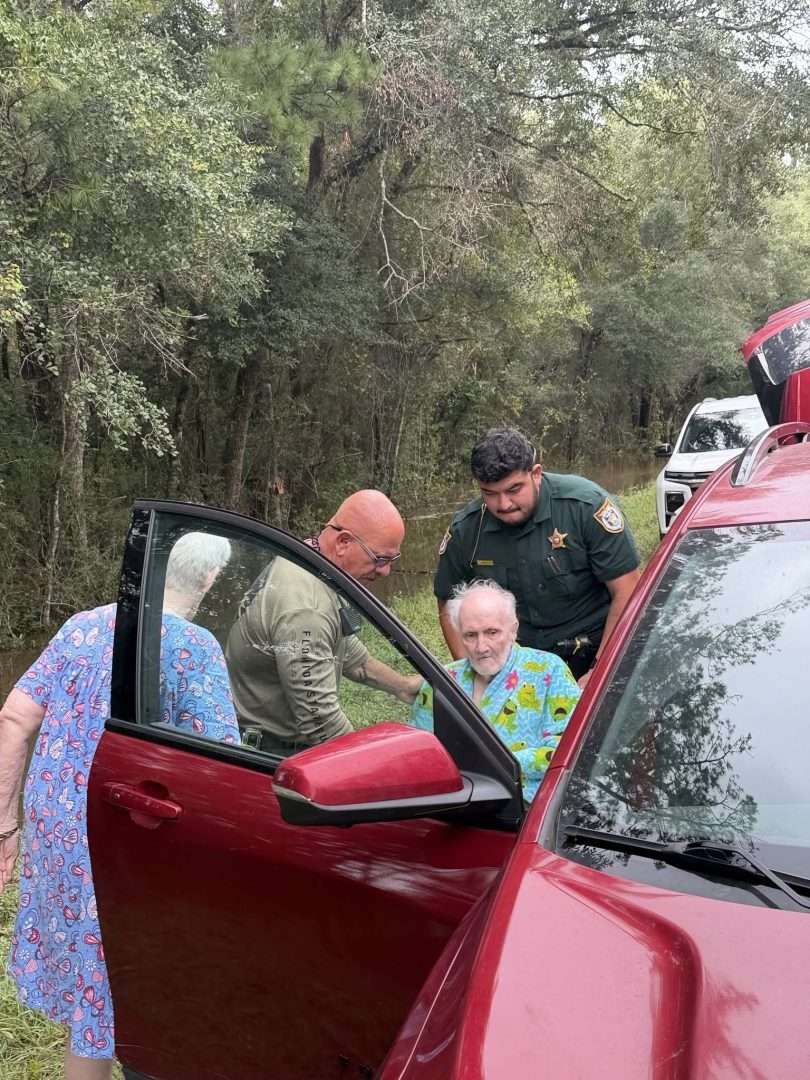
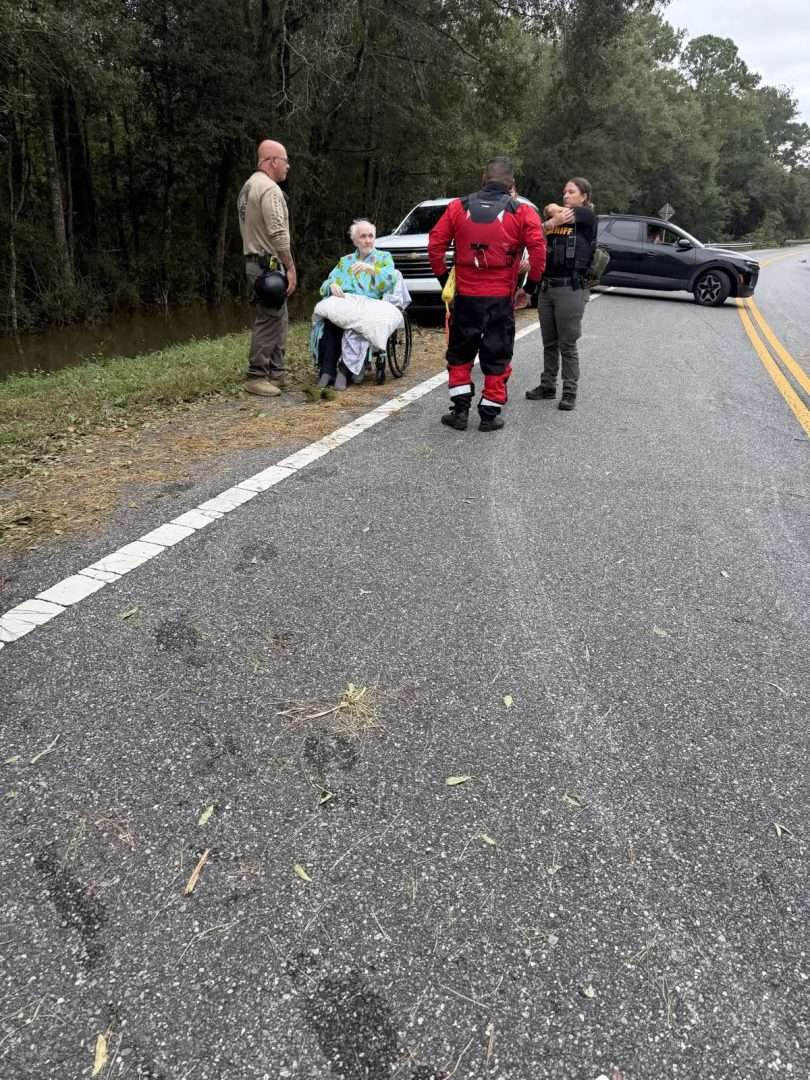
While supporting the Florida Highway Patrol and Walton County Sheriff’s Office during storm recovery and search and rescue efforts, FSG assisted partners in providing aid to an elderly gentleman who was displaced due to flooding in his community.
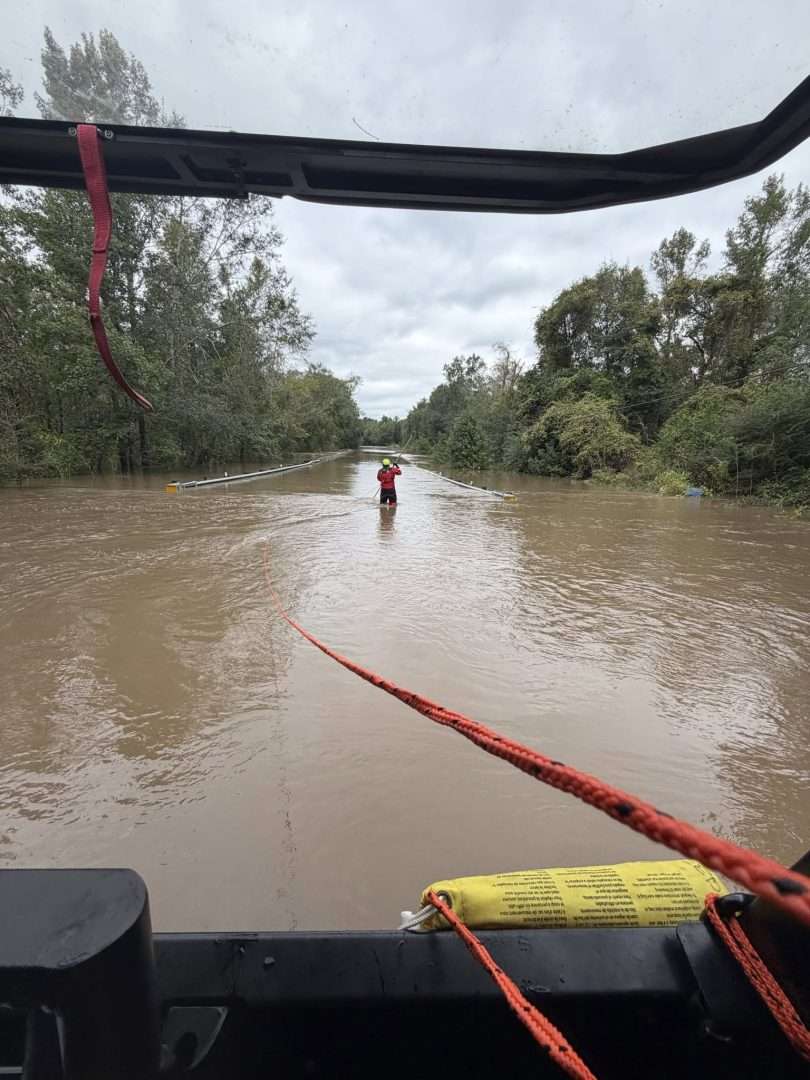
Following reports of additional flooded residential areas nearby, FSG amphibious rescue teams assessed water levels to ensure amphibious rescue vehicles could safely and swiftly reach affected areas.
The Aviation Response Squadron is conducting ongoing aerial reconnaissance over areas impacted by Hurricane #Isaias.
Flying sustained missions across damaged and flooded areas, the team is providing real‑time, high‑resolution situational awareness to help identify hazards, map affected zones, and support operational decision‑making. This continuous aerial insight plays a critical role in guiding ground teams, prioritizing resources, and accelerating safe, coordinated recovery efforts across the region.