
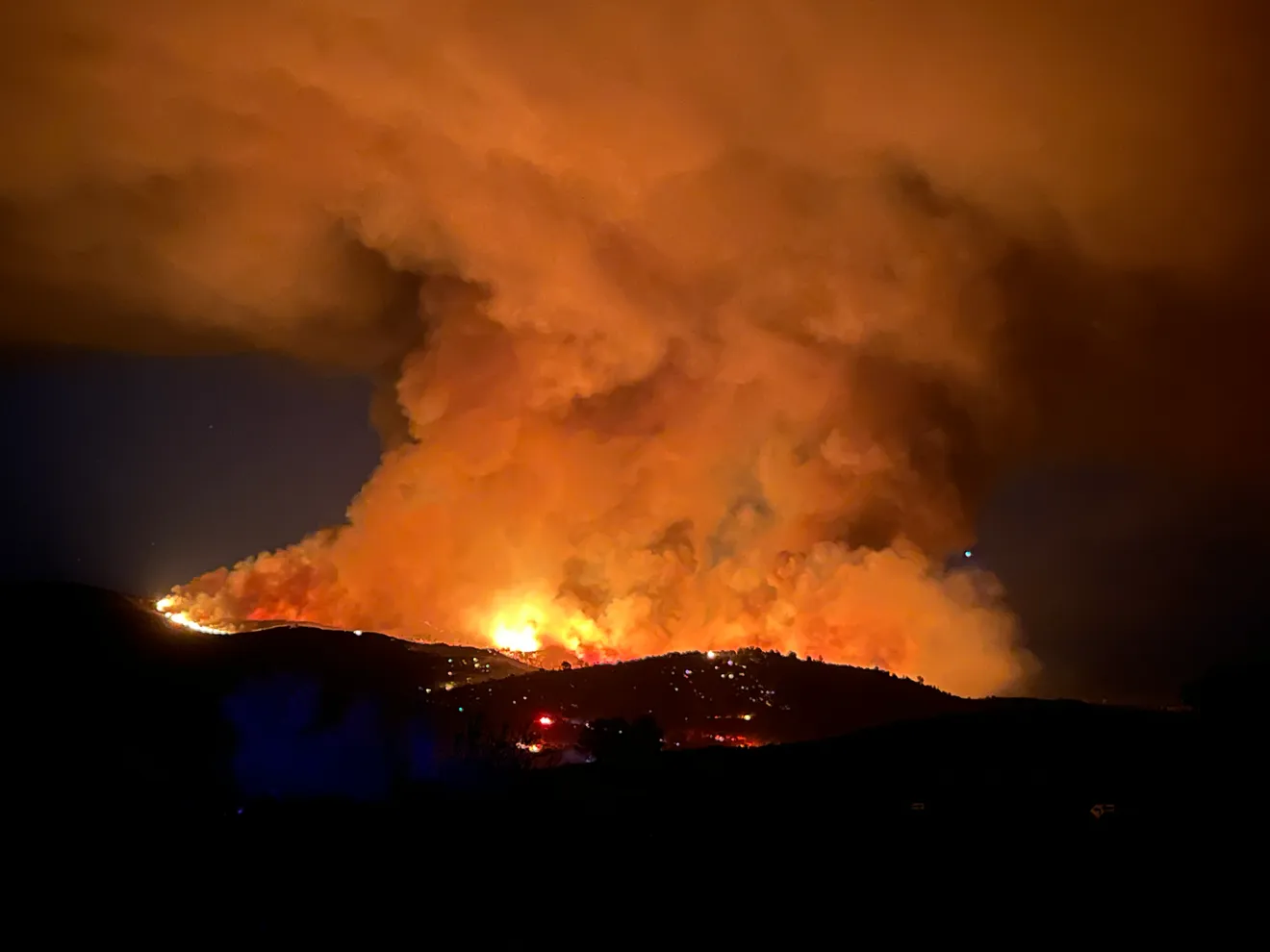
In California, the difference between a wildfire burning through remote vegetation and one reaching a populated community can sometimes be measured in hours, or even minutes. Driven by extreme heat, dry vegetation, steep terrain and shifting winds, a relatively small wildland fire can rapidly expand into an emergency threatening homes, businesses, electrical infrastructure and entire communities. Once flames reach populated areas, firefighters are no longer fighting solely to contain a wildfire. They may simultaneously be conducting structure protection, supporting evacuations, keeping roadways open and attempting to prevent additional communities from being cut off by advancing flames.
For firefighters, one of the most important objectives is therefore straightforward: contain the fire before it reaches populated centers. Accomplishing that requires getting trained personnel onto the ground as quickly as possible to cut and strengthen firelines, clear vegetation and remove the fuels that allow flames to continue advancing. Throughout July and August 2026, Task Force Rattlesnake, which is composed of troops of the California State Guard (State Defense Force), California Army National Guard and California Air National Guard, have been among those personnel performing that demanding mission, working alongside and under the leadership of the California Department of Forestry and Fire Protection – CAL FIRE.
The danger posed by a wildfire is not measured solely by the number of acres burned. Where the fire is burning, the weather pushing it forward and what lies in its path can be equally important. A fire advancing toward a residential community can force hundreds or thousands of Californians from their homes, transform roadways into evacuation corridors and compel firefighters to race to establish containment lines between flames and neighborhoods. Power infrastructure can be damaged, businesses forced to close and communities displaced.
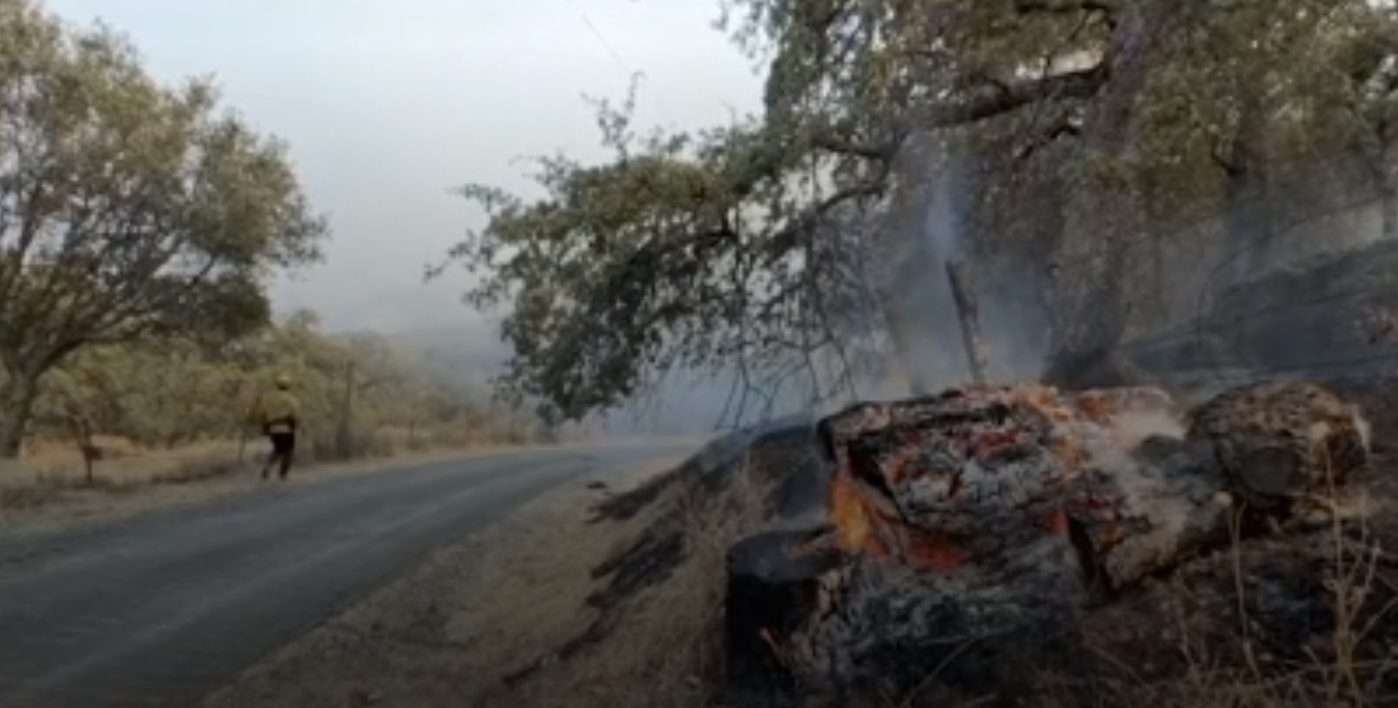
California experienced precisely those conditions during several significant fires in August. The Gann Fire, which began August 3 near Valley Springs in Calaveras County, expanded rapidly through critically dry vegetation. By the morning of August 5, CAL FIRE reported that the wildfire had grown to more than 9,000 acres while remaining only partially contained. Firefighters concentrated on direct fireline construction while simultaneously conducting firing operations intended to remove unburned fuel ahead of the wildfire. Evacuation orders and warnings were established for surrounding communities as crews fought to prevent the fire from advancing farther into populated areas.
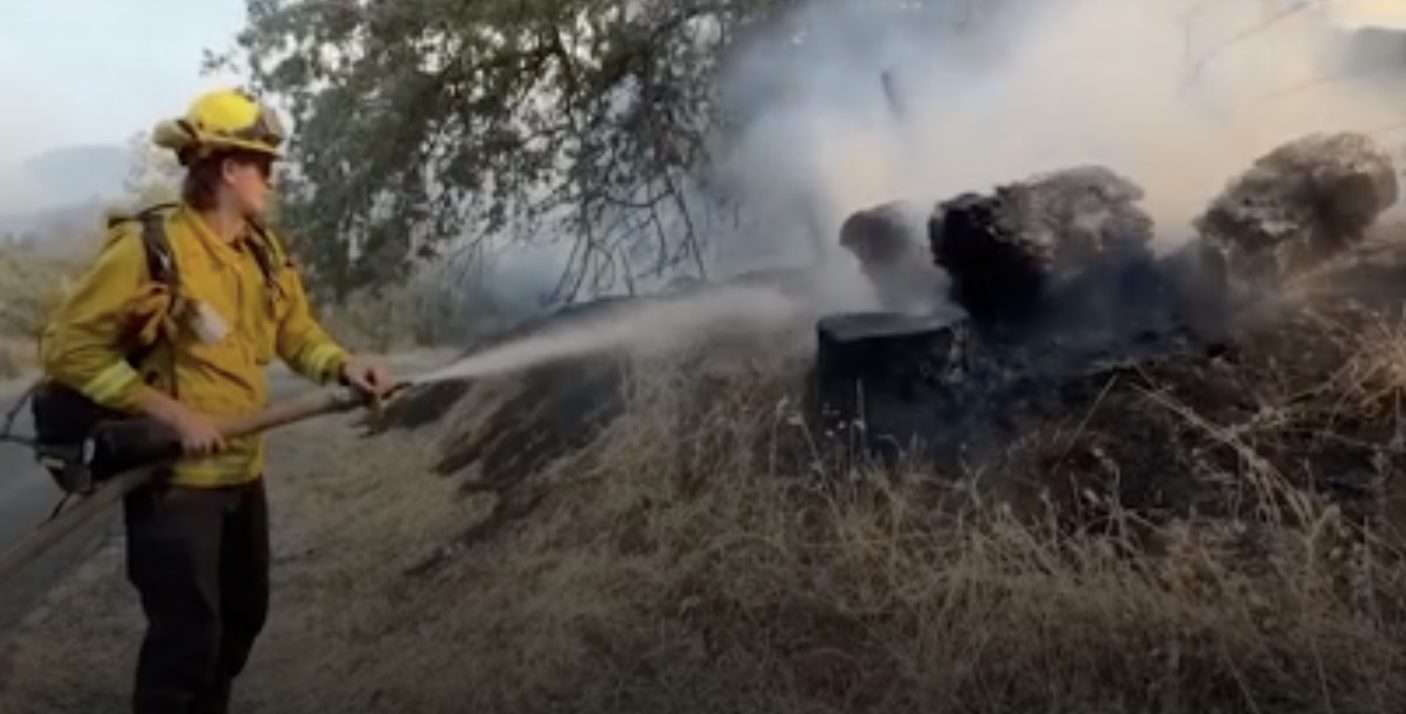
The Gann Fire ultimately burned more than 10,000 acres. Aircraft dropped extraordinary quantities of water and retardant onto the incident, but aircraft alone cannot contain a wildfire. On the ground, firefighters still have to establish, strengthen and hold the lines that keep flames from moving forward. During operations against the Gann Fire, five Joint Task Force Rattlesnake hand crews were assigned to the incident, joining the wider CAL FIRE response and performing the exhausting ground work necessary to slow and ultimately contain the wildfire.
Wildland hand crews are especially valuable because they can be sent into terrain where conventional fire engines or heavy equipment may not be able to operate effectively. Carrying specialized hand tools, saws and firefighting equipment, they remove vegetation, clear combustible material and construct fireline down to mineral soil. That strip of cleared ground could be the only thing preventing from the fire raging towards densely populated communities.
Crews spend hours working through steep terrain, intense heat, smoke and rapidly changing conditions, knowing that the fireline they are building may become one of the last barriers between the wildfire and another roadway, ranch, neighborhood or community. As containment of the Gann Fire improved, firefighters continued strengthening those lines, extinguishing hot spots and removing dangerous burned vegetation until residents were eventually permitted to return to previously threatened areas.
At approximately the same time, another Joint Task Force Rattlesnake crew was supporting operations against the Feliz Fire in Mendocino County. The Feliz Fire began August 1 near Feliz Creek Road outside Hopland and quickly prompted evacuation orders and warnings for surrounding communities. Hundreds of firefighters, engines, water tenders, helicopters, bulldozers and hand crews were ultimately committed to the incident.
The scale of such responses illustrates how rapidly a single wildfire can consume emergency resources. When several large fires are burning simultaneously across a state as large as California, professional firefighting agencies can quickly become stretched. Additional trained military hand crews therefore provide state authorities with another pool of qualified personnel capable of reinforcing the existing response and allowing CAL FIRE to shift resources wherever conditions are most dangerous.
Behind those deployments is Joint Task Force Rattlesnake, one of the most significant standing wildland firefighting missions within the California Military Department. The Task Force brings together personnel from the California Army National Guard, California Air National Guard and California State Guard who support CAL FIRE’s wildfire prevention and suppression mission. California maintains 14 full-time Rattlesnake hand crews, allowing military personnel to perform wildfire work throughout the year rather than being assembled only after a catastrophic fire has already erupted.
During periods of intense wildfire activity, multiple Rattlesnake crews can be dispatched simultaneously to incidents across California. At one point during the recent fire season, four of the 14 crews were assigned to active wildfires across the state. During the Gann and Feliz fires, five crews supported the Gann Fire while another was committed to the Feliz Fire. Their mission continues wherever California needs them most.
Task Force Rattlesnake does considerably more than respond after flames are already threatening communities. During periods when major wildfires are not burning, its personnel conduct vegetation management and fuel-reduction projects intended to lessen the severity of future fires. Brush can be cleared, combustible vegetation removed and areas vulnerable to rapid fire growth treated before a spark ever reaches them.
This preventative work can prove every bit as important as the eventual firefight. Every area of excessive vegetation that is cleared removes potential fuel from a future wildfire, while every defensible corridor established in advance provides firefighters with another potential location from which they may be able to halt advancing flames. A mitigation project completed months before fire season can ultimately help prevent a future wildfire from becoming a major disaster.
For the California State Guard, participation in Joint Task Force Rattlesnake is especially significant because it demonstrates how a State Defense Force can be incorporated directly into one of its state’s most important emergency-response missions. The California State Guard provides the Governor and California Military Department with hundreds of soldiers that can be rapidly deployed along with their brothers and sisters in The National Guard to save lives and property.
California State Guard personnel serving through Task Force Rattlesnake participate in year-round vegetation management, fuel-reduction operations and direct wildland fire suppression. They serve as part of the same broader military wildfire organization alongside California Army and Air National Guard personnel while operating in support of CAL FIRE.
Sending military personnel into an active wildfire requires far more than physical fitness and military discipline. Wildland firefighters must understand how fire behaves, how wind and terrain influence its movement, how to identify escape routes and safety zones, how to communicate within an incident command structure and how to work safely alongside dozens or hundreds of personnel from multiple agencies. Task Force Rattlesnake personnel therefore undergo specialized wildland firefighting training before being placed on the fireline.
Their training includes nationally recognized wildfire courses covering fire behavior, basic firefighting, human factors and the Incident Command System. Personnel also attend California wildland firefighting certification courses intended to prepare them for direct integration into professional wildfire operations. They are not simply military personnel handed axes and sent toward a fire. They are trained specifically to operate within the wildland firefighting system they are supporting.
California has been using this joint military firefighting capability for years. Joint Task Force Rattlesnake personnel have supported wildfire operations throughout some of the state’s most difficult fire seasons in history, while simultaneously conducting preventive projects intended to reduce the risk of future catastrophic fires. The result is a standing military capability that can train, mitigate, prepare, deploy, suppress fires, recover and then begin preparing for the next incident.
California is also not alone in developing this mission. Other State Defense Forces across the country are increasingly building or expanding their wildland firefighting capabilities designed to augment their National Guard, state forestry agencies, emergency-management departments and local authorities. Properly trained State Defense Force personnel can provide states with a reserve of manpower during major fire seasons when firefighting agencies are overstretched and National Guard personnel are deployed overseas or needing to train in their war fighting mission.
As world tensions escalate, with the first major war erupting in Europe since World War II, major escalation and incidents occurring in The South China Sea, and a new Middle East Conflict, the chances for a major National Guard deployment rise by the day. That is why State Guards need to be ready to step in and fill that gap.
This wildland firefighting mission is not new to America’s State Defense Forces. In fact, State Defense Forces have been responding to catastrophic wildfires for more than a century. One of the earliest and most dramatic examples occurred in Minnesota in October 1918, when northeastern Minnesota was devastated by the Cloquet, Duluth and Moose Lake fires.
At the time, The National Guard had entered federal service during World War I and were fully deployed to European battlefields, prompting states to organize Home Guard forces that remained under state control and available for domestic emergencies. After months of exceptionally dry conditions, numerous fires in northeastern Minnesota were driven together by powerful winds, creating a rapidly advancing firestorm that overwhelmed communities throughout the region.
Today, members of the California State Guard are carrying that tradition onto California’s firelines. Alongside the California Army National Guard, California Air National Guard and CAL FIRE, they clear the threat before it begins and battle it once it erupts
That is why trained wildland firefighting task forces such as Joint Task Force Rattlesnake are so important, and the California State Guard is a part of that, holding the line.
Source: USA Today – CBS News – KMVT News 11 – California National Guard