

The Definitive History of America’s State Guards Returns in a New Second Edition
For anyone who has served in a State Guard or State Defense Force and ever wondered where our organizations came from, why they exist, what missions their predecessors performed or what they may be capable of becoming in the future, one book has stood above every other work on the subject. That work is by Professor Barry M. Stentiford, who has write many original articles for StateDefenseForce.com.
About Professor Barry M. Stentiford:
Professor Barry M. Stentiford. Professor Stentiford is a distinguished academic and military professional, currently serving as the Director of the Advanced Strategic Leadership Studies Program at the US Army’s School of Advanced Military Studies. With a Ph.D. in History from The University of Alabama and a rich background in strategic studies, including degrees from the U.S. Army War College and other prestigious institutions, Stentiford has dedicated his career to the study and teaching of military history and strategy. His professional experience spans over a decade at a civilian university before joining the faculty at the School of Advanced Military Studies in 2009, where he has significantly contributed to courses on operational art, strategic leadership, and the strategic context of operational art. As an Army Reserve Officer, Stentiford has held several key positions, including Command Historian and battalion commander. His research interests focus on non-regular US military forces, Southeast Asia, and Disestablishment, with notable publications such as “The War on Terror in the Southern Philippines” and “The American Home Guard: The State Militia in the 20th Century,”.
His book, The American Home Guard, has long served as one of the definitive reference works on America’s State Guards / Home Guards / Territorial Guards / State Defense Forces. More than two decades after the original edition was published, that history has now been brought forward with the release of The American Home Guard: State Militias from World War I to Today, 2nd Edition.
Published by McFarland, the new edition revisits an institution whose history remains surprisingly unknown even among many Americans familiar with the National Guard and Armed Forces. State military organizations operating outside the National Guard have repeatedly been created, activated, reorganized and called into service whenever Governors required military forces that would remain under state authority. They have defended critical infrastructure, engaged in firefights against Axis saboteurs, responded to riots and civil disturbances, protected strategic State and even Federal facilities, provided disaster relief, trained prospective military personnel and augmented National Guard forces during some of the most consequential periods in American history.
The importance of Stentiford’s work was recognized almost immediately after the original edition was published in 2002. Writing in the Journal of American History, reviewer James T. Currie described Stentiford’s study as what would probably become the definitive book on America’s state militias. More than twenty years later, that description remains appropriate. Few works examine the State Defense Force institution with comparable breadth, following not simply individual units or particular emergencies but the legal, political, organizational and military developments that shaped these forces across the nation.

The First Edition, published as The American Home Guard: The State Militia in the Twentieth Century, carried readers through the origins of the modern militia dilemma, the Home Guards of World War I, the interwar period, World War II, the Cold War and eventually the development of modern State Defense Forces under the Total Force concept. Its chapters examined why these forces were necessary, how states attempted to organize and equip them, what missions they were assigned and how the relationship between the National Guard, Federal Government and State Governments transformed the militia system during the twentieth century.
The newly released Second Edition expands that story into the modern era. Even the revised subtitle, State Militias from World War I to Today, reflects the broader scope of the new book. Rather than ending the State Defense Force story in the late twentieth century, the updated edition carries the institution forward through the post-9/11 period and toward the State Defense Forces serving today. The new volume is published as a 268-page paperback and continues Stentiford’s examination of how these organizations evolved as America’s military requirements, National Guard missions and homeland-security needs changed.
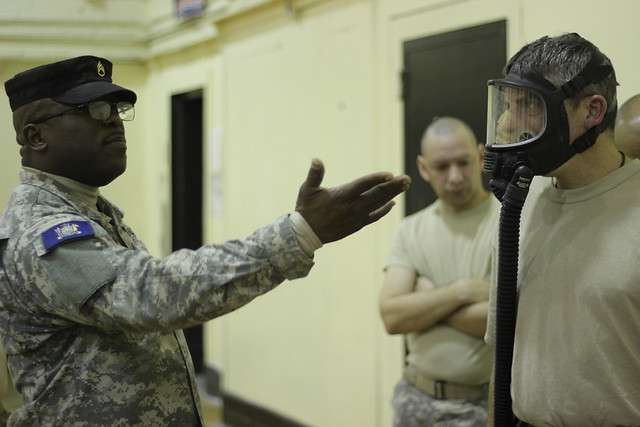
The book even has a section devoted to how the New York Guard became a critical element during the War on Terror. After it became clear that many major U.S. cities and communities were not adequately prepared to respond to a large-scale Weapons of Mass Destruction event, the National Guard was tasked with developing CERFP units, Chemical, Biological, Radiological, Nuclear and High-Yield Explosive Enhanced Response Force / Packages. Unfortunately, New York State had deployed much of its Army National Guard and Air National Guard overseas and could initially provide only a limited number of Soldiers and Airmen for this critical mission. Over time, even those personnel would be deployed. The commander of the unit therefore requested that the New York Guard join the mission as part of the joint CERFP force. The New York Guard soon became a critical element of the unit, operating within the warm and cold zones and providing continuity as Army National Guard and Air National Guard personnel rotated in and out. New York Guard members helped train newly assigned Soldiers and Airmen who often arrived with little or no CERFP experience, becoming the institutional backbone of the unit and showing successive rotations how the CERFP mission functioned.
The book begins with a fundamental problem that remains central to understanding State Defense Forces today. As the National Guard became increasingly integrated into the Federal military establishment, Governors face the possibility that their principal organized military force could be called into Federal service and removed from the state at any moment. So if any state or national emergency occurred any trained military reserve manpower would be missing at moments when The States’s needed them the most.
The book highlight how World War I created a need for a Organized State Military Force, soon to be known as State ‘Defense Forces’, to assume the roles and responsibilities of the National Guard when they are unavailable.
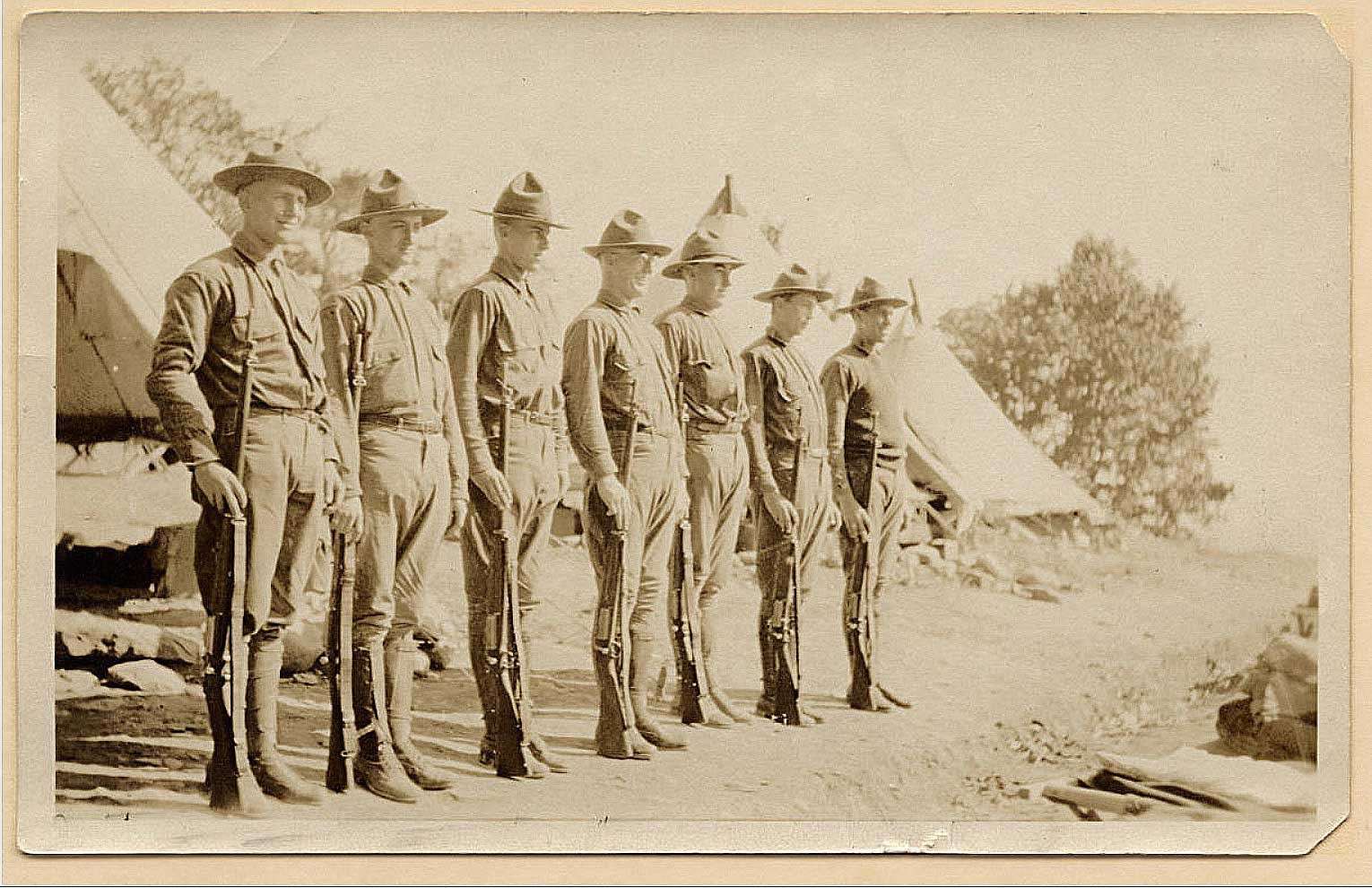
When National Guard formations were Federalized for service during the First World War, states organized replacement military forces to perform essential missions at home. Among the most remarkable examples was the New York Guard, whose predecessors guarded New York City’s vast aqueduct system, railroad bridges, canals, armories and other critical infrastructure against German sabotage. More than 8,000 New Yorkers served in the 1st Provisional Regiment alone during the war, while thousands more served throughout the broader New York Guard organization.
Those fears were not theoretical. German agents had already demonstrated their ability to conduct sabotage inside the United States, most famously with the massive Black Tom explosion in New Jersey in 1916. Historical material preserved within StateDefenseForce.com’s archives includes accounts of Guardsmen being fired upon and engagements with suspected enemy agents while troops protected vulnerable infrastructure. These citizen-soldiers spent days and nights guarding facilities upon which millions of civilians depended, performing a homeland-defense mission while National Guard Soldiers fought overseas.
World War II would demonstrate the State Guard concept on an even larger scale. With National Guard units again Federalized and sent throughout the world, State Guards were organized across the country to provide Governors with military forces capable of protecting infrastructure, responding to emergencies, guarding military and industrial facilities and preparing for the possibility of enemy attack. State Guards served along America’s coastlines, guarded power plants, bridges, transportation networks and factories, assisted civil authorities and performed missions that released Federal troops for service elsewhere.
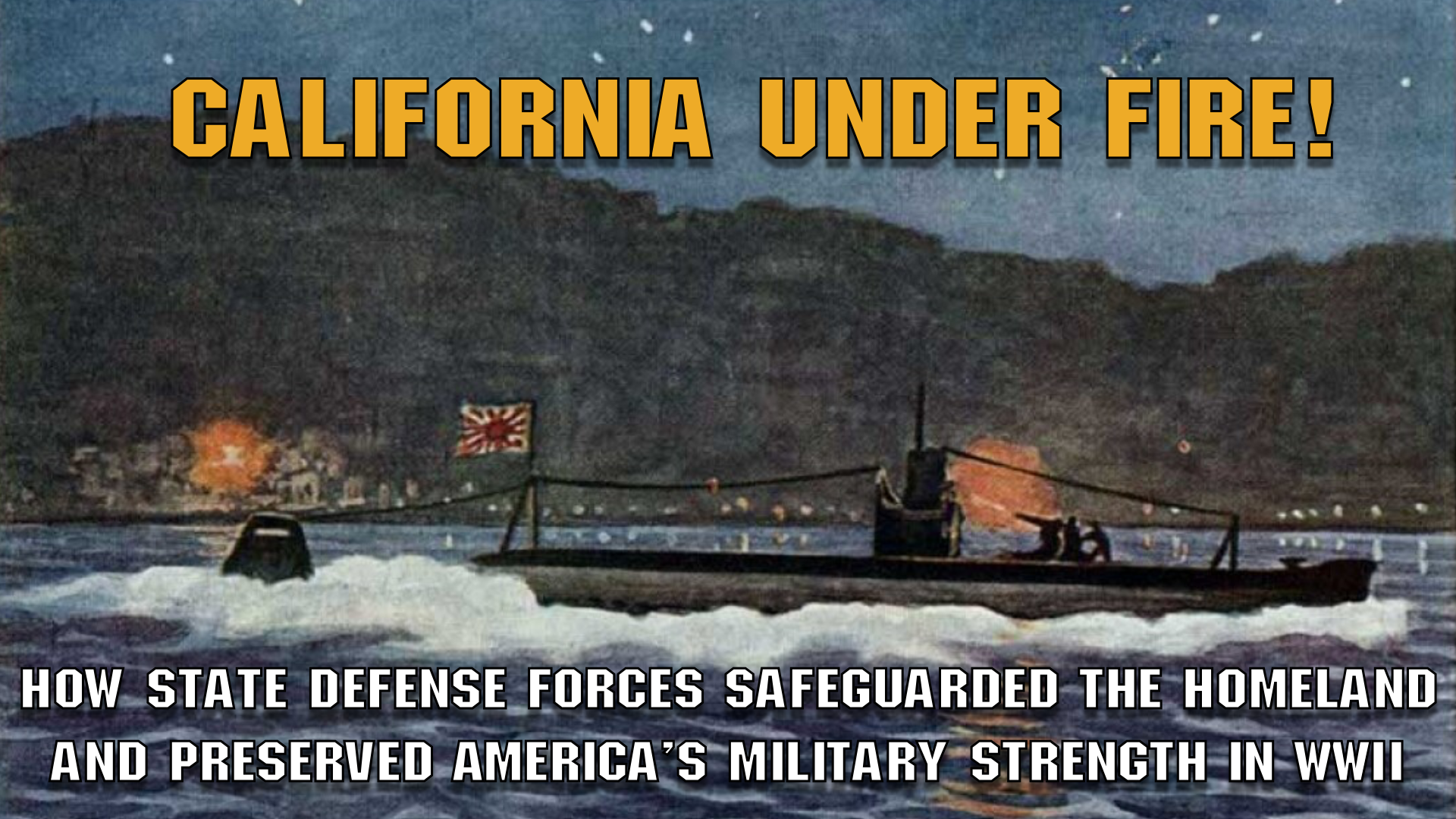
In fact State Guards were designated the first units to confront Japanese Forces if they attempted an invasion of The West Coast. The War Department wanted State Guard troops to ‘Make contact, report, resist, disrupt, and delay the enemy until stronger federal forces could arrive.’.
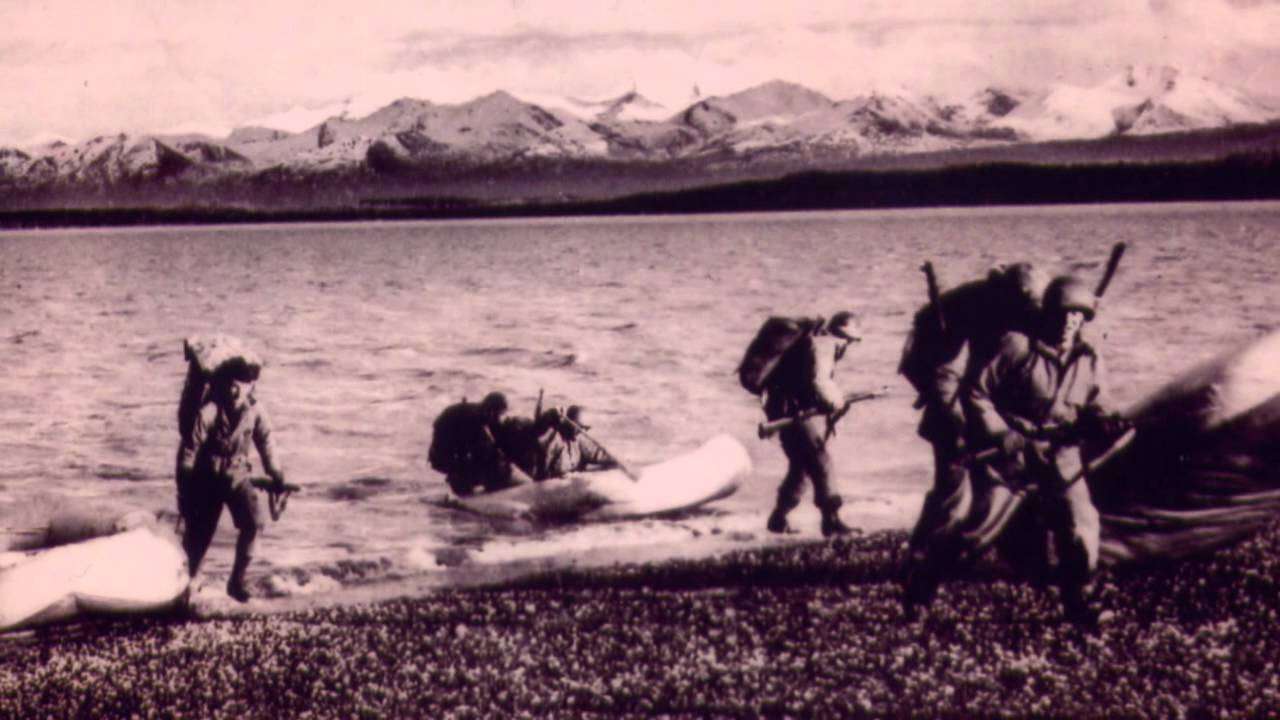
Nowhere did the threat come closer than Alaska. Following the Federal mobilization of the Alaska National Guard, Governor Ernest Gruening organized the Alaska Territorial Guard (State Defense Force). When Japanese forces attacked the Aleutians and occupied Attu and Kiska in 1942, Alaska became an active theater of World War II and enemy troops occupied American territory. Thousands of Alaskans, many from remote Alaska Native communities, served in the Territorial Guard. They patrolled enormous stretches of coastline, watched for enemy activity, conducted combat reconnaissance, and engaged with the Japanese Army in areas where Japanese forces presented a real and immediate military threat.
The history of the Alaska Territorial Guard demonstrates just how expansive the State Guard mission could become when circumstances demanded it. These volunteers served across some of the most remote and unforgiving territory in North America while Japanese troops occupied American islands in the Aleutian chain. Their service forms an important part of the lineage inherited today by the Alaska State Defense Force and stands as one of the strongest historical examples of why Governors may require military forces that remain available to the state during a national war.
Yet The American Home Guard is valuable precisely because it does not restrict State Guard history to wartime combat threats. Stentiford examines virtually every facet of the institution: legislation, organization, manpower, equipment, training, uniforms, funding, relations with the National Guard and Federal Government, disaster response, public-order missions, homeland defense and the recurring struggle by State Guards to define their purpose after the crisis responsible for their expansion had passed.
The story continues through the Korean War and Cold War, when policymakers once again considered how Governors would replace National Guard capabilities during Federal mobilization. It follows State Defense Forces into the Total Force era, when the National Guard became increasingly indispensable to the Federal military and therefore increasingly likely to deploy beyond its home state. That development strengthened the underlying argument for maintaining a separate state-controlled military force capable of remaining behind.

The post-September 11 era made that argument relevant once again. State Defense Forces supported homeland-security and emergency-response missions as National Guard forces assumed enormous Federal commitments overseas. The New York Guard, New York Naval Militia and other state forces supported operations following the September 11 attacks, while State Defense Forces from across the nation later contributed thousands of personnel to Hurricane Katrina response and recovery operations. Modern State Defense Forces have continued responding to hurricanes, wildfires, floods, pandemics, search-and-rescue emergencies, logistical operations and other missions alongside their National Guard and civilian emergency-management partners.
That progression from the Home Guards of World War I to the State Defense Forces of today is what makes The American State Defense Force so important. This is not simply another military history book about organizations that disappeared decades ago. It is the institutional history of the organizations whose uniforms State Guard members wear today.

We at, StateDefenseForce.com, believes this is a book that every State Guard and State Defense Force member should own. Soldiers and other service members should know what the generations who wore their organization’s name before them accomplished. They should understand why their force was created, what authorities it historically exercised, what missions it has performed and how dramatically the capabilities of these organizations have expanded or contracted depending upon the support they received from their states.
One key mission we all thought was a new mission State Guards were performing was Wildland Firefighting. Not so. State Guards have been performing Wildland Firefighting missions since World War I. Perhaps this could give commanders of State Defense Forces whose states are being affected by wildfires, a resource to present to their Adjutant General to say “We’ve done this mission before and we can do it again”.
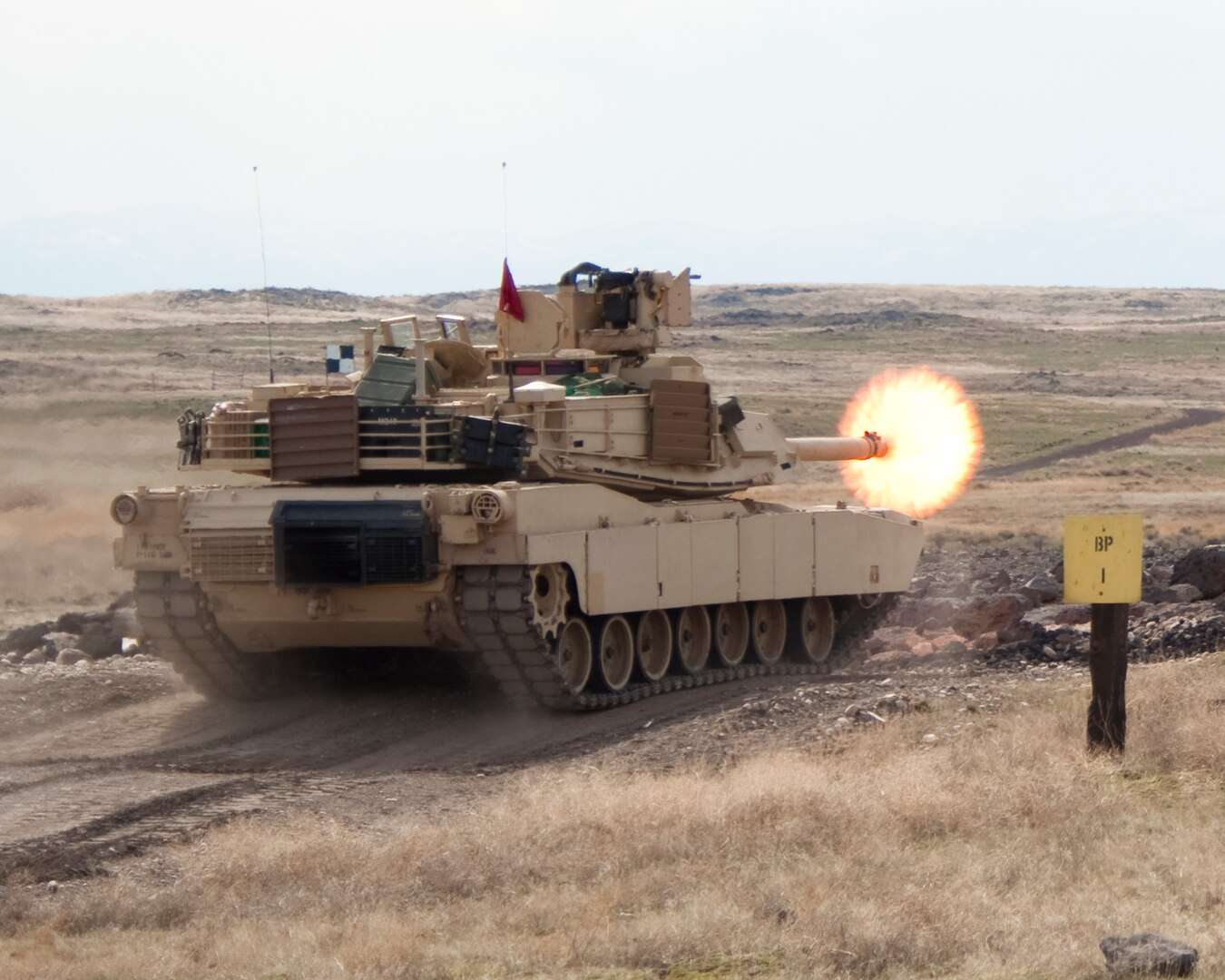
The lessons are equally important for commanders and Adjutants General. The history demonstrates that State Defense Forces have frequently been at their most valuable when they were properly organized before an emergency occurred rather than hastily assembled after one began. It provides historical examples of what worked, and how these previous mission can be revived to help provide The National Guard with additional manpower to complete missions, or perhaps have The State Guard perform the mission so The National Guard could focus on their primary mission, combat training. As the only Combat Oriented Reserve Element of The US Military, the National Guard would the first to be deployed because they are not just composed of support units but Infantry, Mechanized Infantry, Armored Units, and even Green Beret units that would be needed when the next major conflict arises, whether that be in Europe where the first large scale war since World War II, or deployment to support a new Middle Eastern conflict, or responding to the drastic increase and threat of war in the South China Sea. A State Guard today is not only needed but required.
Since World War II, much has changed. At the end of the war only one nation had a nuclear arsenal, however today that numbers is closer to a dozen, many of which are enemies of our great nation.
For State and Federal legislators, The American Home Guard provides something perhaps even more important: context. Lawmakers considering legislation governing State Defense Forces are making decisions affecting an institution with more than a century of modern history. Questions involving compensation, uniforms, funding, military status, missions, training standards, relationships with the National Guard and Federal policy cannot be fully understood without examining how those issues developed and how previous generations addressed them.
The history also provides a powerful answer whenever the question is asked, “Why does a state need a State Defense Force if it already has a National Guard?” That question has been answered repeatedly since World War I. The National Guard has both a state and Federal mission, and when called into Federal service, that Federal mission takes priority. As a result, a Governor could, during a major Federal mobilization, lose access to their entire National Guard. Under Federal and State law, however, State Defense Forces cannot be called, ordered or drafted into the Armed Forces of the United States. They remain under the command of The Governor who is their Commander-in-Chief. When National Guard forces are mobilized, deployed, committed elsewhere or overwhelmed by the scale of an emergency, a properly trained State Defense Force gives a Governor additional military manpower that remains available to the state.
The missions will continue to change. The State Guard of tomorrow may confront challenges that Guardsmen protecting New York’s aqueducts in 1917 or patrolling Alaska during World War II could never have imagined. Cyber incidents, critical infrastructure failures, increasingly destructive natural disasters, communications emergencies, drone attacks against key state and federal infrastructure, a mass-casualty event and extended National Guard deployments may require capabilities very different from those of earlier generations. The history nevertheless demonstrates that the underlying requirement for trained, organized and disciplined military manpower under state authority has repeatedly returned.
That may ultimately be the greatest value of The American Home Guard. The book does more than tell us where State Defense Forces came from. It provides a record of what they were capable of becoming when their states needed them.
For those currently serving, this is our history. It is the story of the men and women who stood watch over aqueducts and bridges while American troops fought overseas, of volunteers who defended the home front during the World Wars, of Alaska Territorial Guardsmen engaging enemy troops who occupied American territory, of Cold War State Guards preparing for national emergencies, and of modern State Defense Force personnel supporting their communities after terrorist attacks, hurricanes, floods, wildfires and other disasters.
Understanding that history provides perspective on what changed, what was lost, what survived and what may still be possible.
For that reason, StateDefenseForce.com considers The American Home Guard: State Militias from World War I to Today, 2nd Edition THE MOST IMPORTANT BOOK a State Defense Force soldier can add to their library. We also strongly recommend it to Governors, Adjutants General, State and Federal legislators, National Guard leaders, emergency-management officials, military historians and policymakers whose decisions may shape the future of these forces.

StateDefenseForce.com is making copies of The American Home Guard, 2nd Edition available through The State Defense Force Online Store. Proceeds from purchases through our store support our programs, including StateDefenseForce.com’s historical and educational work and the State Guard & Defense Force Council’s efforts to strengthen and advocate for State Defense Forces nationwide.
Colonel Tier and higher Patreon members are also eligible to receive a complimentary physical copy after completing 12 consecutive months of membership at the qualifying tier. The benefit was created both as a thank-you to those who provide sustained support for our work and because we believe long-term supporters of the State Defense Force community should have this important piece of State Guard history in their personal libraries.
The American Home Guard tells us where we came from. Its Second Edition brings that story closer to where we are today. The decisions made by State Defense Force members, commanders, Adjutants General and lawmakers in the years ahead will determine where that story goes next.
We hope you buy the book through our web-store so we can use those funds to:
– Altering National Guard Bureau CNGBI-5500-01A to remove any mention of the altered OCP uniforms regarding Red or Bold Color Nametapes, rank insignia, SDF Logo patch, and baseball cap. Also remove any mention of a Polo & Khakis uniform.
– Ensuring The Georgia State Defense Force is getting paid for all State Activations that put Georgia SDF members on State Active Duty. Currently they go on active duty for days to weeks with no pay, creating a huge financial burden on their families.
– Reversing The Maryland Defense Force uniform change from OCP’s to Polo shirts and Khakis pants. We are in the process of a FOIA request processing so it will be a few weeks.
But if you wish to buy the book at a lower price you can purchase it at:
Amazon
Barnes & Noble
or straight from the Publisher:
McFarland
Special thank you to Professor Barry Stentiford for another incredible piece of work. His legacy is unmatched in the realm of The American State Military System.