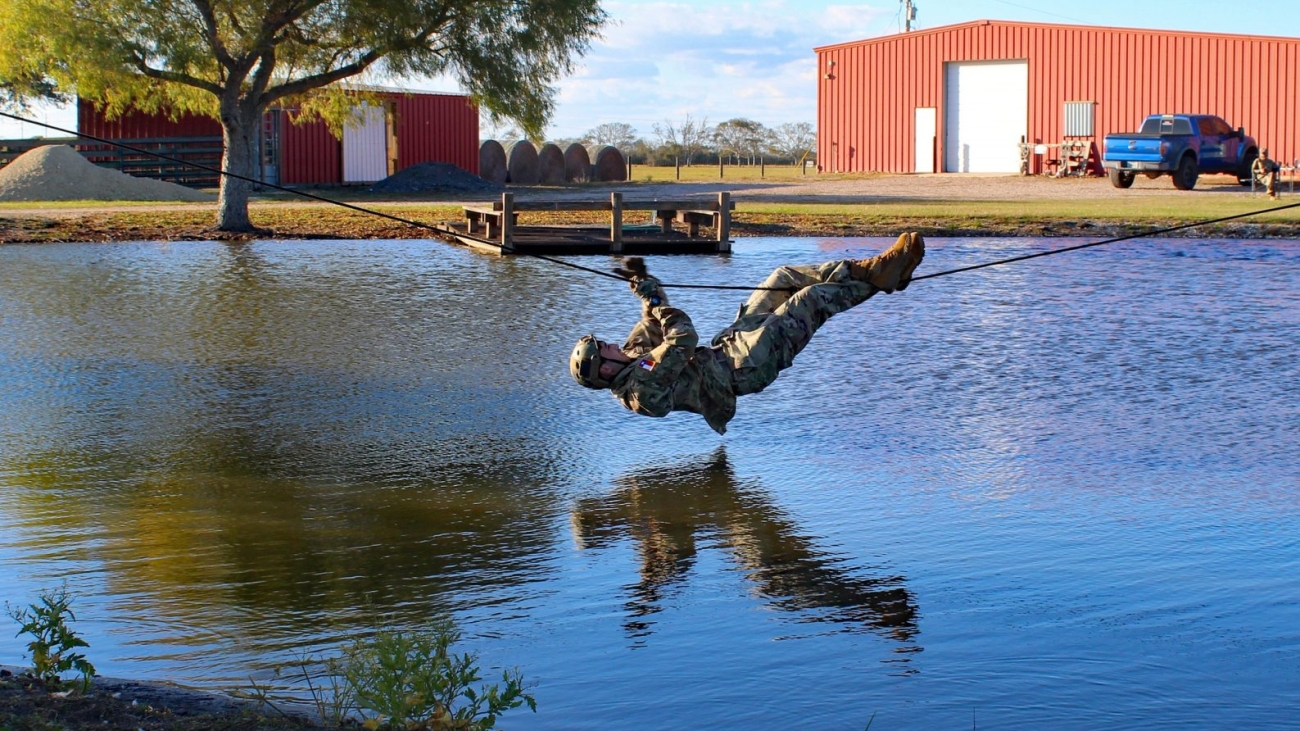
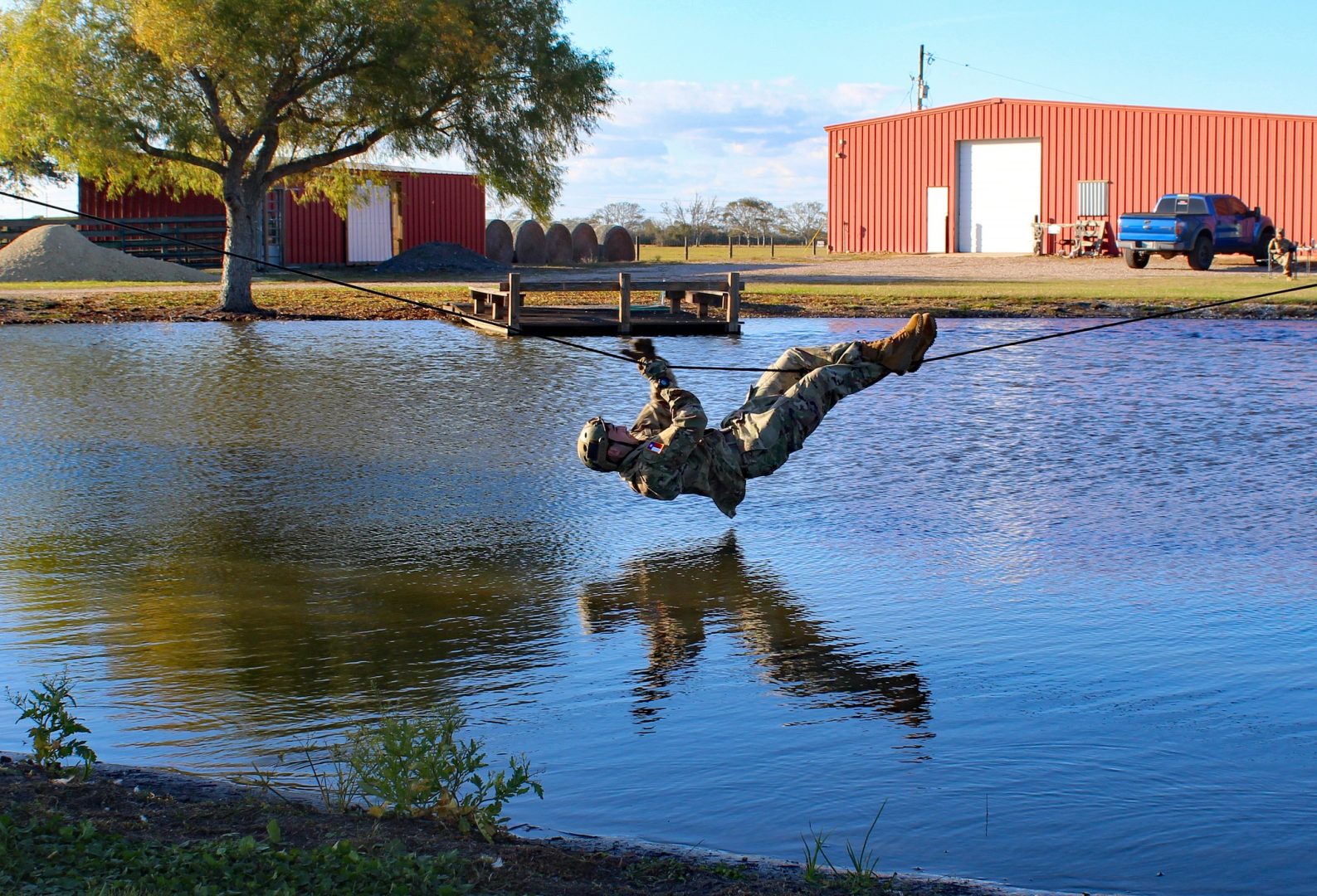
The 2nd Brigade of the Texas State Guard (State Defense Force – TXSG) recently concluded its November drill weekend, and the level of activity across its battalions underscored just how committed the brigade remains to its mission of supporting Texans during the most extreme emergencies. For the 4th Battalion, the weekend was defined by a demanding series of training events designed to sharpen every core competency required in disaster response. Soldiers spent hours navigating obstacles such as rope-assisted river crossings—scenarios that simulate the very real challenges of reaching stranded civilians during flooding. They also trained on rappelling techniques from helicopters, a skillset essential when terrain, debris, or rising water makes traditional access impossible. In addition, troops practiced stabilizing and treating downed casualties in remote, hard-to-access locations, learning how to move injured individuals to extraction points where medical aircraft can transport them to higher levels of care.
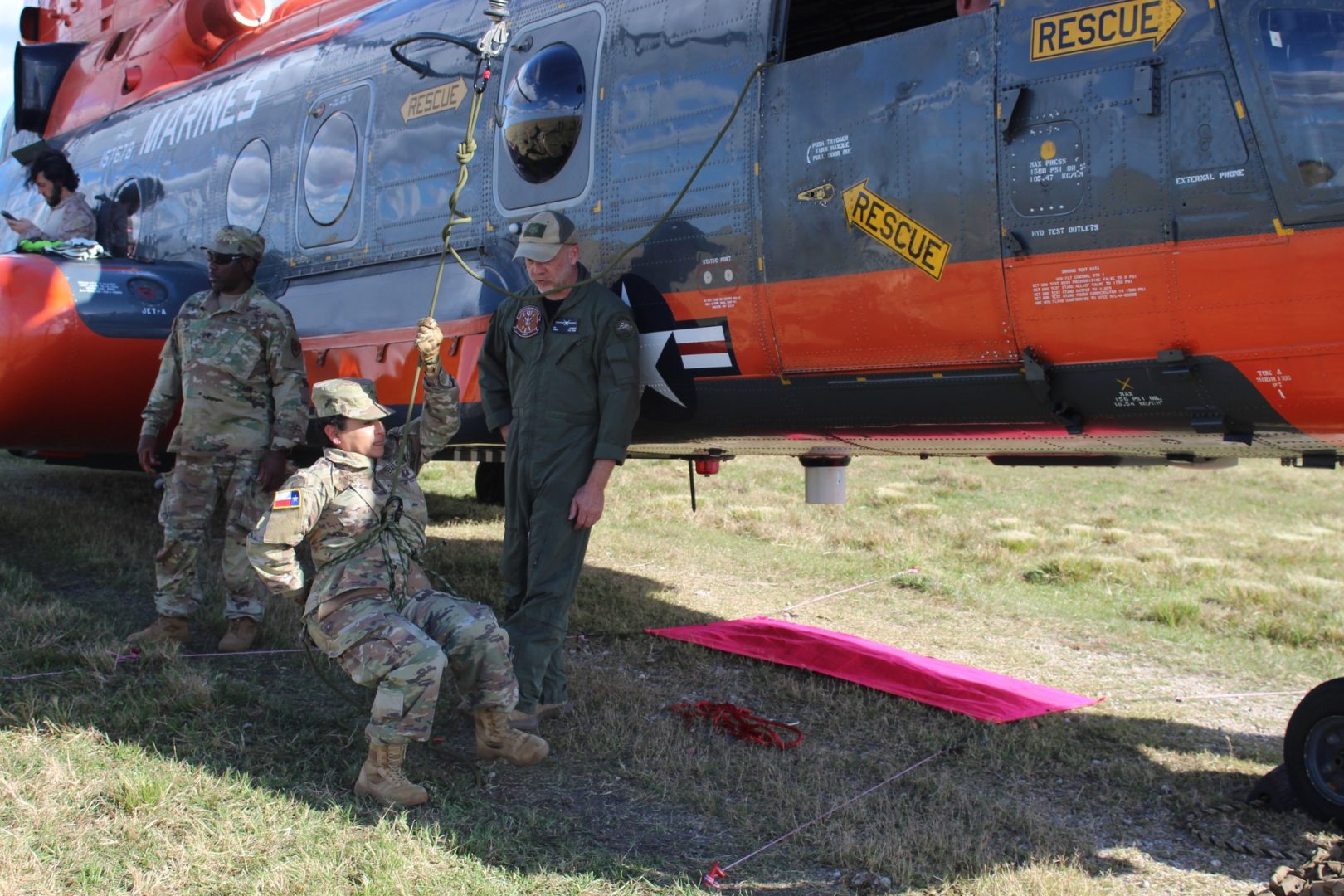
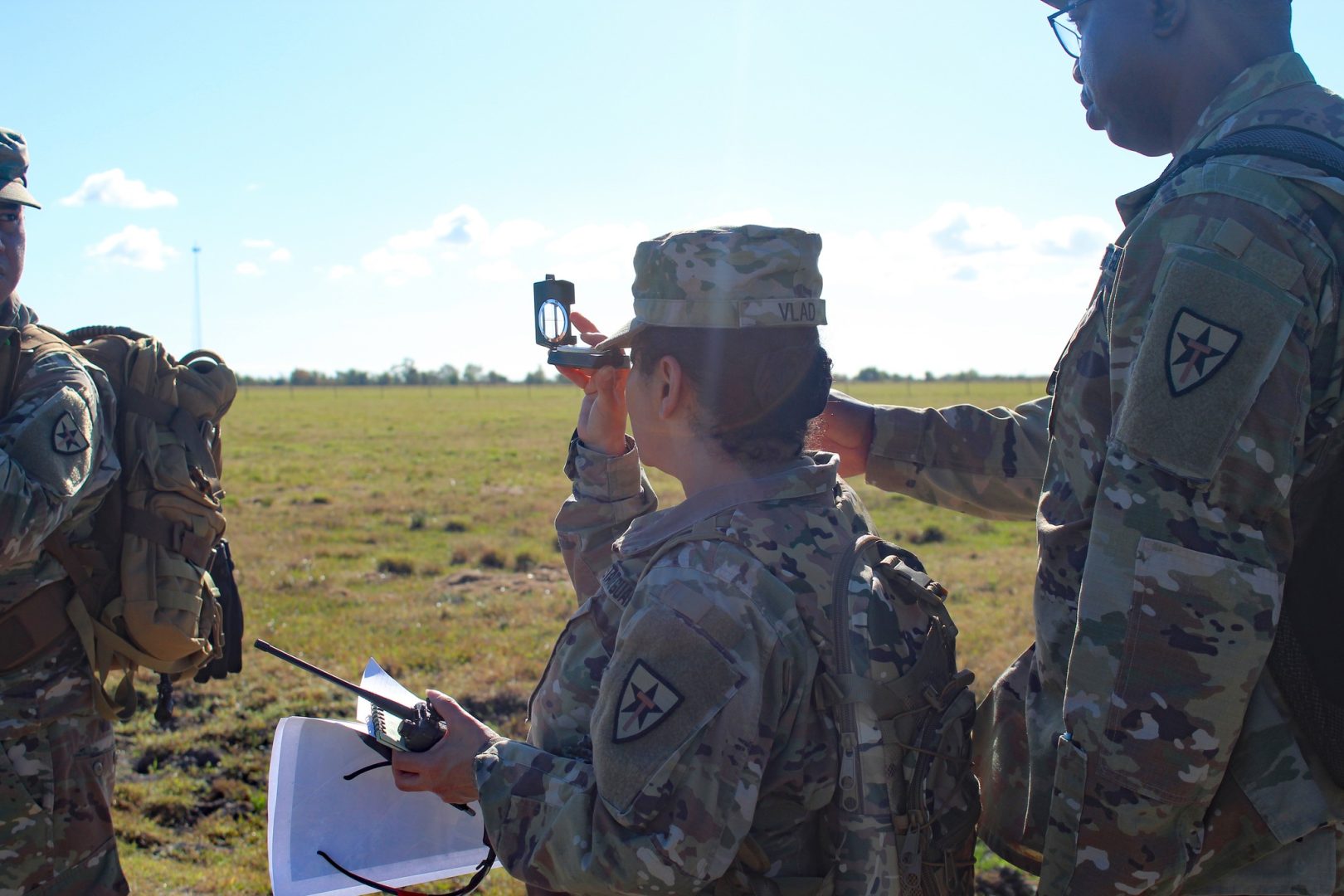
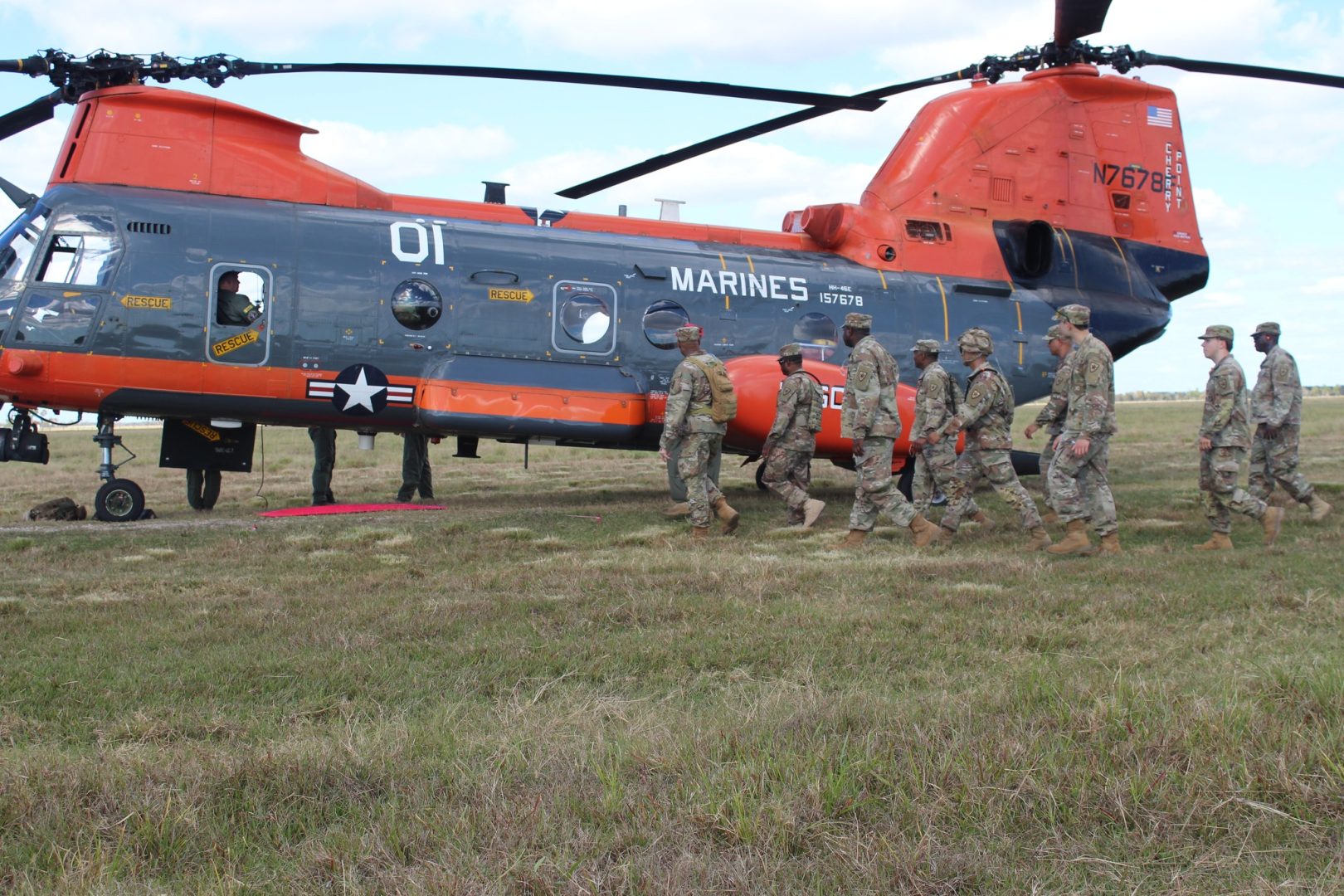
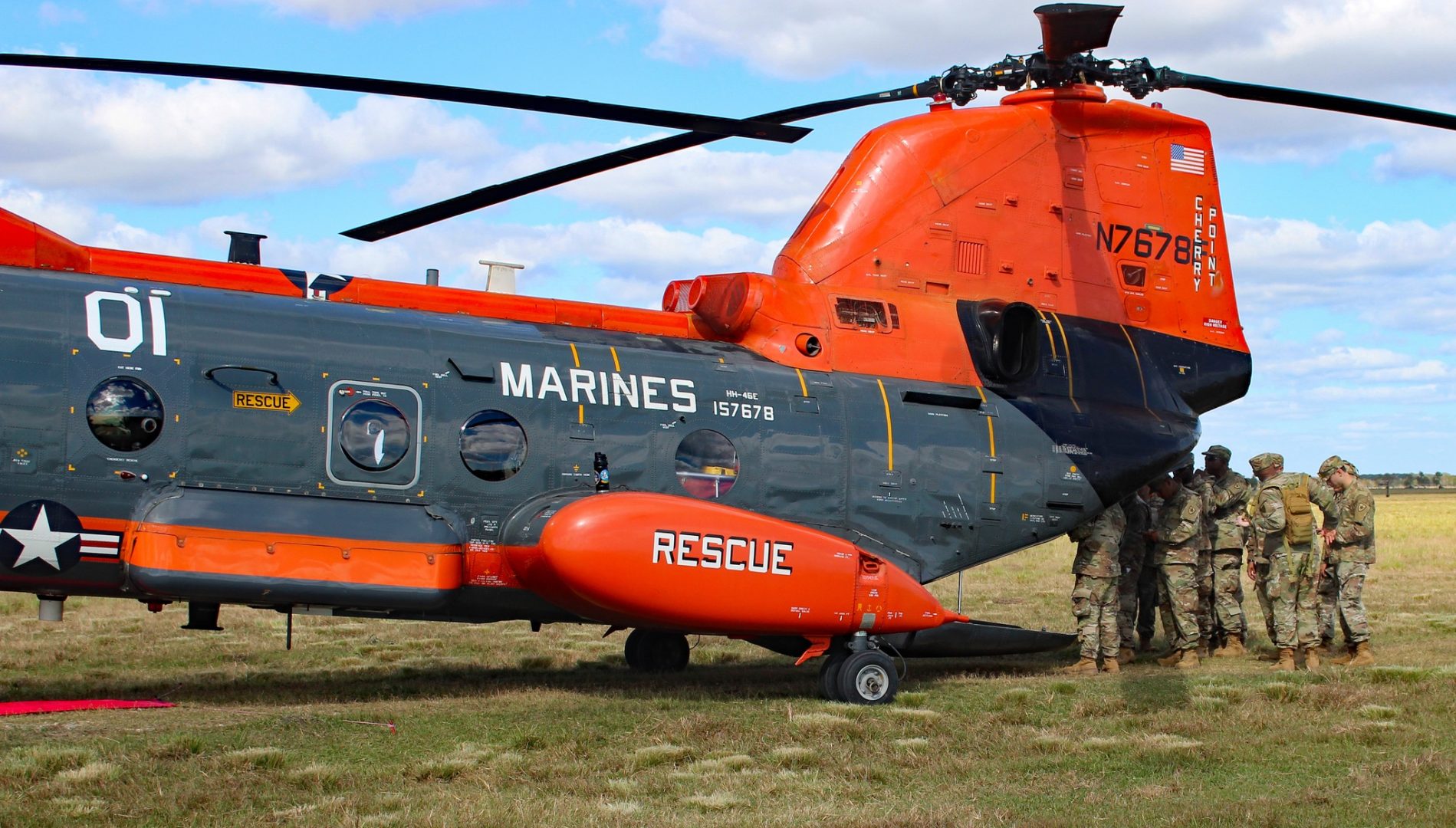
These tasks were reinforced by refresher sessions in land navigation, ensuring that Guardsmen maintain the ability to traverse unfamiliar and rugged terrain without relying on digital tools that may fail during an emergency. This Search and Rescue training was supported by personnel from the National United States Armed Forces Museum. Working with the museum’s CH-46 helicopter in Angleton, Texas, Guardsmen of the 4th Battalion strengthened their ability to operate alongside aviation assets, practicing patient loading and unloading and learning how to create improvised landing zones—an essential skill during hurricanes, tornadoes, flooding, or any emergency where the landscape has been drastically altered. These exercise offer realistic, hands-on experience that closely mirrors the conditions the Texas State Guard encounters during statewide deployments.
Over the years, the Texas State Guard has earned a reputation for having one of the most capable and highly respected Search & Rescue teams in the nation. What sets the force apart is not only the elite SAR detachments specializing in woodland, urban, and even maritime rescue—it is that every soldier across the brigade is trained in the essential building blocks of SAR operations. By ensuring all Guardsmen understand the fundamentals of locating, stabilizing, and extracting casualties, the Guard can rapidly reinforce and augment their specialized SAR teams during major emergencies. In large-scale disasters where every second counts, this capability turns the entire brigade into a force multiplier, dramatically expanding the state’s ability to save lives.
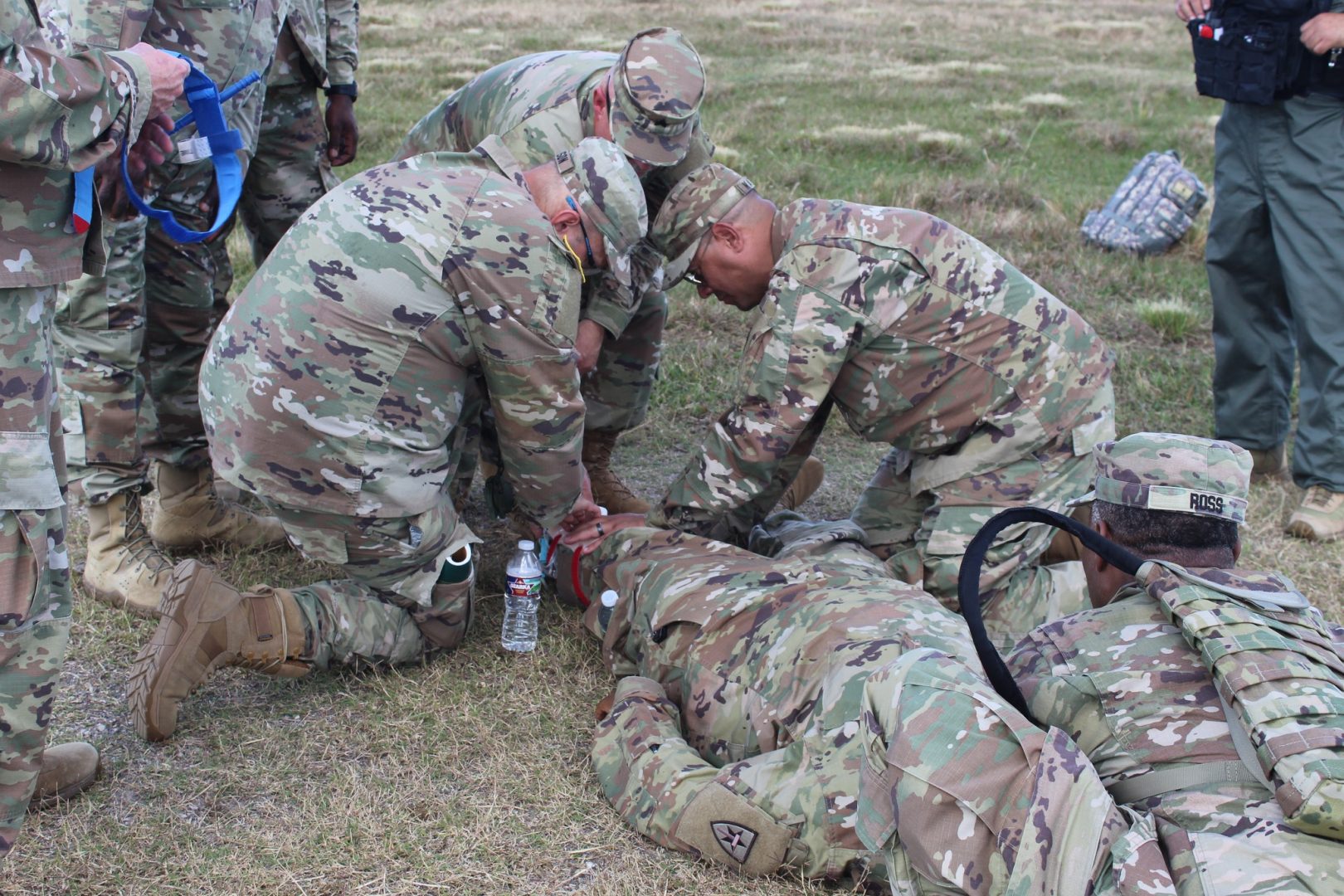
The 2nd Brigade also used the weekend to reinforce basic first aid and emergency medical procedures. Soldiers drilled repeatedly on techniques to stabilize trauma victims, control bleeding, and prepare individuals for aeromedical evacuation. These skills, while fundamental, often mean the difference between life and death in the chaotic aftermath of a disaster. Every repetition builds confidence, cohesion, and competence—ensuring soldiers can perform under stress when Texans need them most. The training was an example of effective interagency collaboration, and the brigade expressed its appreciation to the partner organizations whose support made such a comprehensive exercise possible.

This ongoing emphasis on Search & Rescue, casualty care, emergency stabilization, and aeromedical evacuation raises an important question: why does the Texas State Guard train so rigorously, so often, and across so many disciplines? The answer lies in their motto. The Texas State Guard lives the phrase “Ready for Anything!” Every year, Texas faces disasters that test the limits of its emergency response system. From the catastrophic flooding that struck Central Texas this year to the hurricanes and natural disasters that have impacted millions of residents over the past decade, the Texas State Guard has repeatedly demonstrated its value. Their readiness, professionalism, and versatility continue to prove exactly why State Defense Forces remain essential components of every state’s emergency management framework.
Guardsmen of 4th Battalion, 2nd Brigade, Texas State Guard, honed their skills in Search and Rescue, Land Navigation, and aeromedical evacuation support training with the assistance of National United States Armed Forces Museum personnel and their CH-46 helicopter in Angleton, Texas, Nov. 15, 2025. Guardsmen also reinforced their basic first aid skills, practiced loading and unloading patients and learned to prepare an ad hoc landing site as would be utilized in a natural disaster or other emergency. Thank you to our valued agency partners without whom such an exercise would not be possible. These field exercises develop and strengthen the skills needed to assist as needed during natural disasters and other emergencies. 2nd Brigade is ad omnia parati, “Ready for Anything!” (Texas State Guard photos by Chief Warrant Officer 2 Willie Grimes)
Source: Texas State Guard