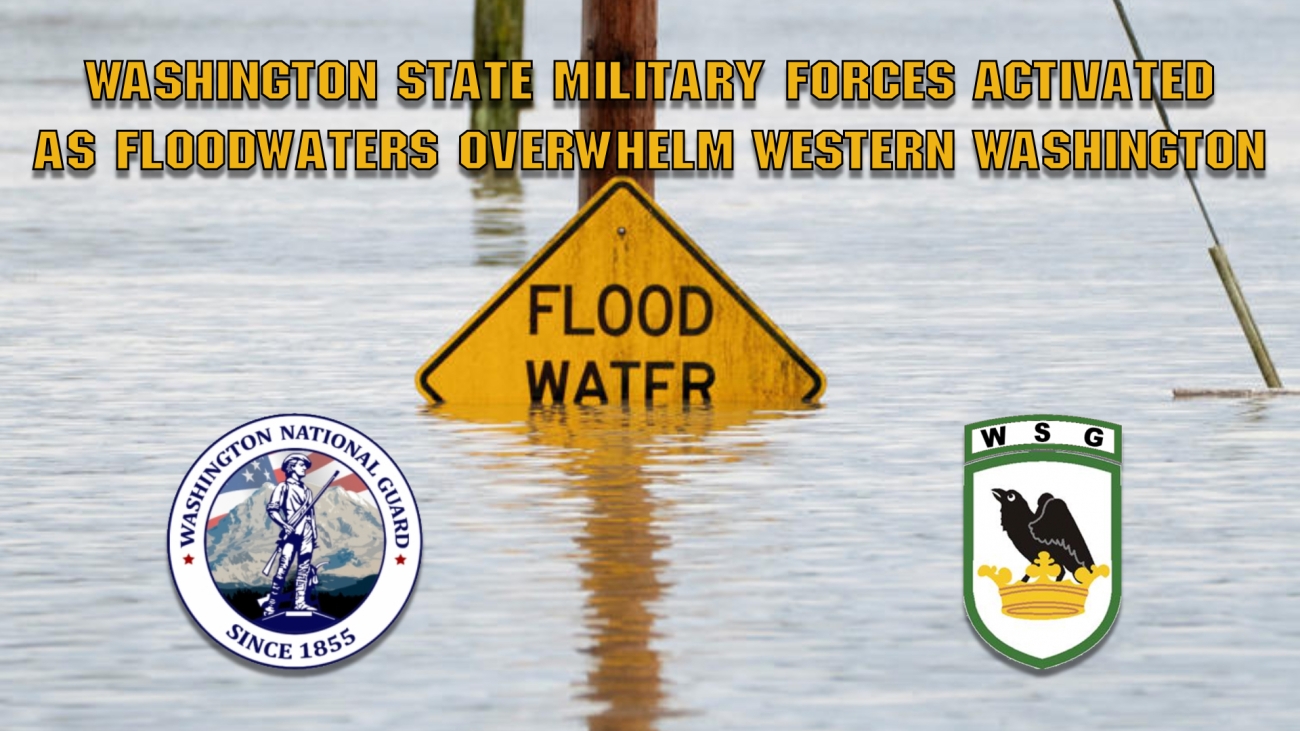
Severe and historic flooding continues to impact large portions of Washington State following a series of powerful atmospheric rivers that brought days of torrential rain, high winds, and rapidly rising river levels. Communities across western Washington have experienced widespread evacuations, infrastructure damage, power outages, and life-threatening conditions as rivers exceeded flood stage and in several cases surpassed long-standing records. State and local officials have emphasized that the situation remains extremely serious, with conditions evolving rapidly as additional rainfall threatens already saturated ground.
Governor Bob Ferguson declared a statewide emergency as flooding intensified across multiple counties, citing the urgent need for federal assistance and coordinated response efforts. The emergency declaration enables Washington to seek federal recovery funds, while an expedited federal emergency declaration would unlock additional life-saving and emergency protective resources. Governor Ferguson stressed the importance of residents following evacuation orders and emergency alerts, warning that the coming days would be critical for public safety. The governor has also activated the National Guard as well as The State Guard (State Defense Force) and is coordinating closely with local governments, tribal authorities, and federal partners including FEMA Region 10, the National Weather Service, and the U.S. Army Corps of Engineers.
Back-to-back atmospheric rivers have inundated western Washington and parts of the broader Pacific Northwest, forcing tens of thousands of residents to flee low-lying areas. In Skagit County alone, approximately 78,000 people within the floodplain were placed under evacuation advisories or orders as waters surged toward communities like Mount Vernon and Burlington. Officials urged all residents within the 100-year floodplain to seek higher ground as rivers approached or exceeded historic crests. Downtown Mount Vernon has so far been protected by a floodwall constructed in 2018, though officials noted the barrier is being tested under conditions rarely seen before, with water levels expected to crest near or above record levels.
Multiple rivers across the state have reached or exceeded historic highs. The Nooksack River at Cedarville rose to 150 feet, surpassing its previous record, while the Snohomish River at Snohomish climbed beyond its former peak. The Cedar River in Renton also set a new record as heavy rainfall overwhelmed drainage systems. Flooding triggered widespread road closures, washed out bridges, and caused numerous mudslides, including debris flows that shut down Interstate 90 and trapped vehicles for hours. Mountain passes such as Blewett Pass were temporarily closed after dozens of fallen trees blocked roadways, while sections of U.S. Route 2 and State Route 410 were closed due to mud, rockslides, and standing water.
The city of Sumas in Whatcom County experienced some of the most devastating impacts as flooding from the Nooksack River overtook large portions of the city near the U.S.-Canada border. Officials described much of the community as underwater, with residents urged to shelter in place as access routes became impassable. The Sumas border crossing was closed, and emergency responders conducted dramatic rescues as residents were forced into attics or onto rooftops. In one operation, Coast Guard aircrews rescued four individuals trapped inside a flooded home, lifting them to safety from the roof. Similar helicopter rescues took place in Fall City, where first responders extracted stranded motorists from vehicles and trees amid rising floodwaters and power lines.
Elsewhere across the region, floodwaters transformed farmland into vast pools, eroded riverbanks, and collapsed homes into swollen rivers. In Snohomish County, dozens of roads were closed as rivers crested, while rescue crews pulled people and pets from inundated homes and vehicles. Schools were closed in multiple districts due to unsafe travel conditions, and Amtrak suspended rail service between Seattle and Vancouver. More than 12,000 utility customers across Washington were left without power as flooding and high winds damaged electrical infrastructure. Additional assistance arrived from outside the state, with California deploying fire and rescue crews to support Washington’s response efforts.
As floodwaters surged, state and local authorities launched large-scale rescue and evacuation operations, often under hazardous conditions. Helicopter crews, swift-water rescue teams, and ground personnel worked around the clock to reach stranded residents, deliver supplies, and reinforce flood defenses. Officials cautioned residents not to bypass road closures or barricades, emphasizing that even shallow-looking water can conceal washed-out roadbeds or strong currents capable of sweeping vehicles away.
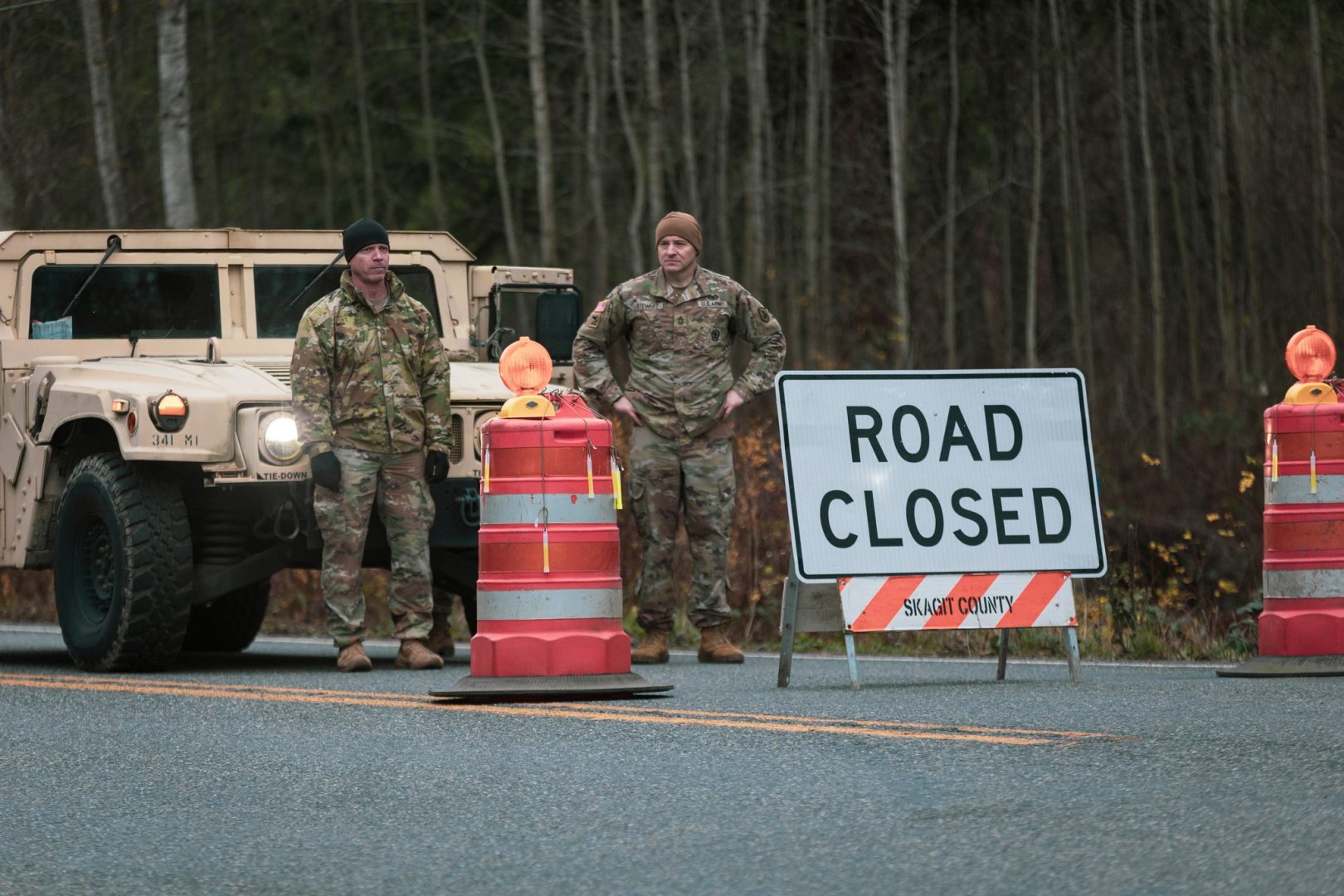
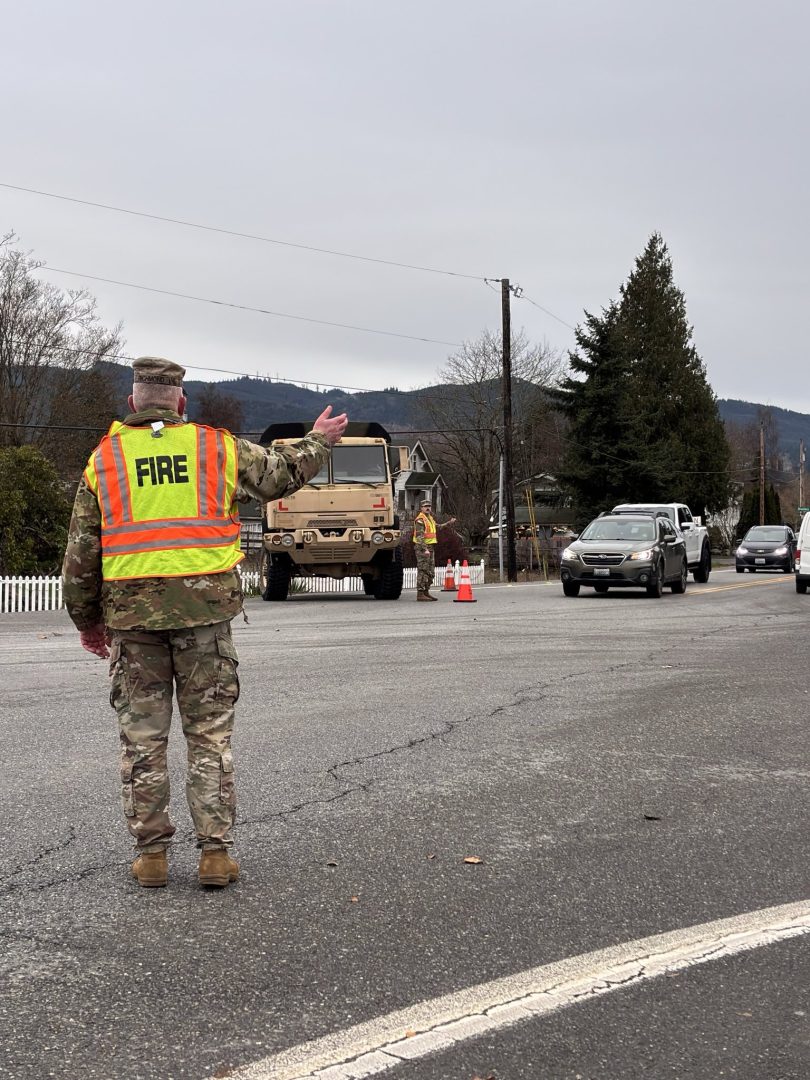
The response to this unfolding disaster has been significantly reinforced by the activation of Washington State Military Forces, including the Washington Army National Guard, Washington Air National Guard, and the Washington State Guard. Under the governor’s emergency proclamation, National Guard personnel were authorized to provide direct support to civil authorities, focusing on life-saving operations, evacuations, traffic control, sandbagging, and aerial rescue missions. Up to 300 Guard members have been mobilized, with forces staged across flood-impacted counties to rapidly assist local emergency managers.
According to the Washington Military Department, Guard leadership began preparing for the event well before the emergency declaration was signed, using forecast data to pre-identify units, personnel, and equipment required for flood response. Active Guard and Reserve personnel were deployed under Immediate Response Authority to address urgent needs, followed by the rapid mobilization of traditional Guard members. Notably, soldiers from the 3rd Battalion, 161st Infantry Regiment were on mission within 18 hours of notification, a timeline far faster than standard mobilization procedures. Many of these service members transitioned directly from civilian jobs to uniformed service, working long hours in difficult and often dangerous conditions.
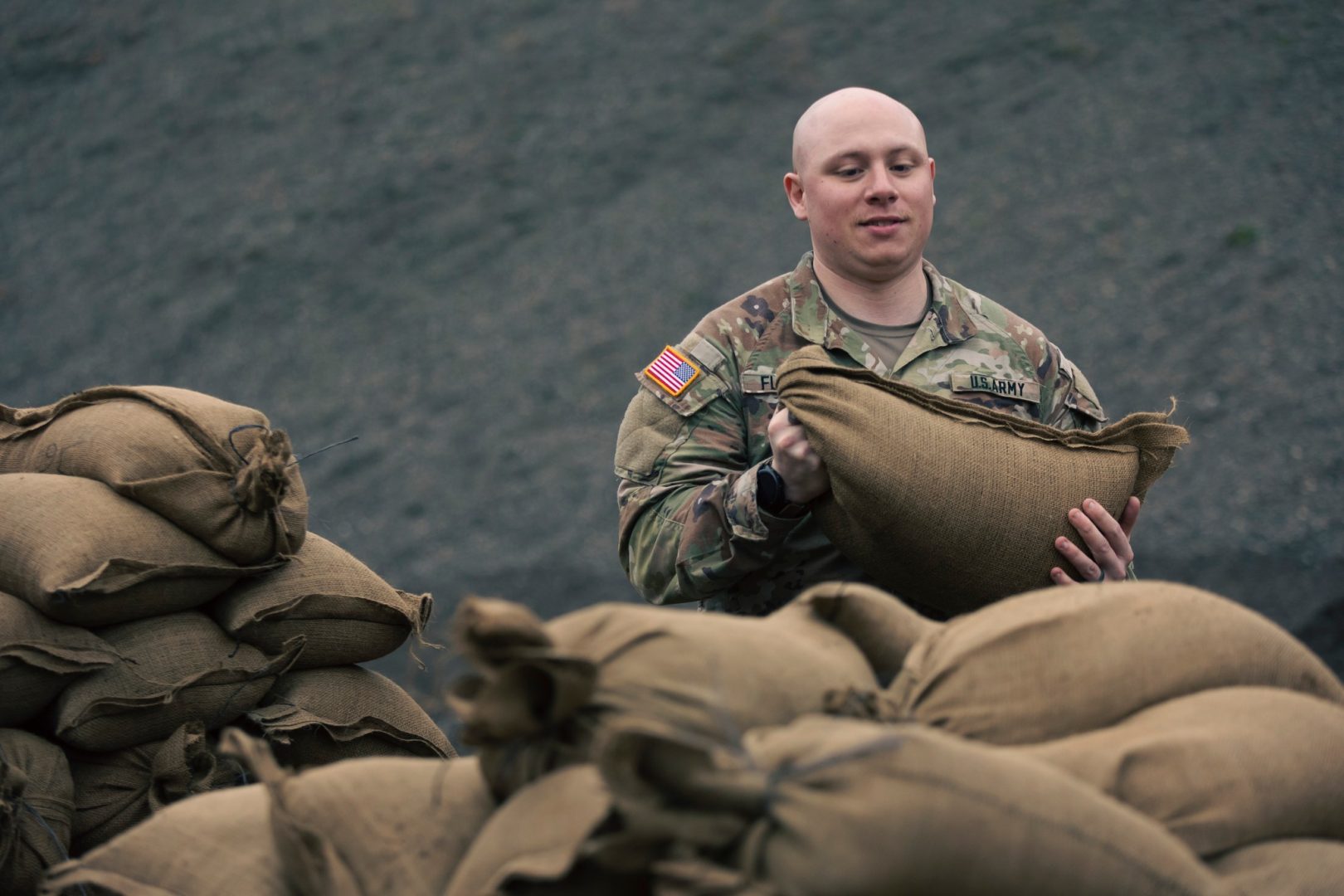
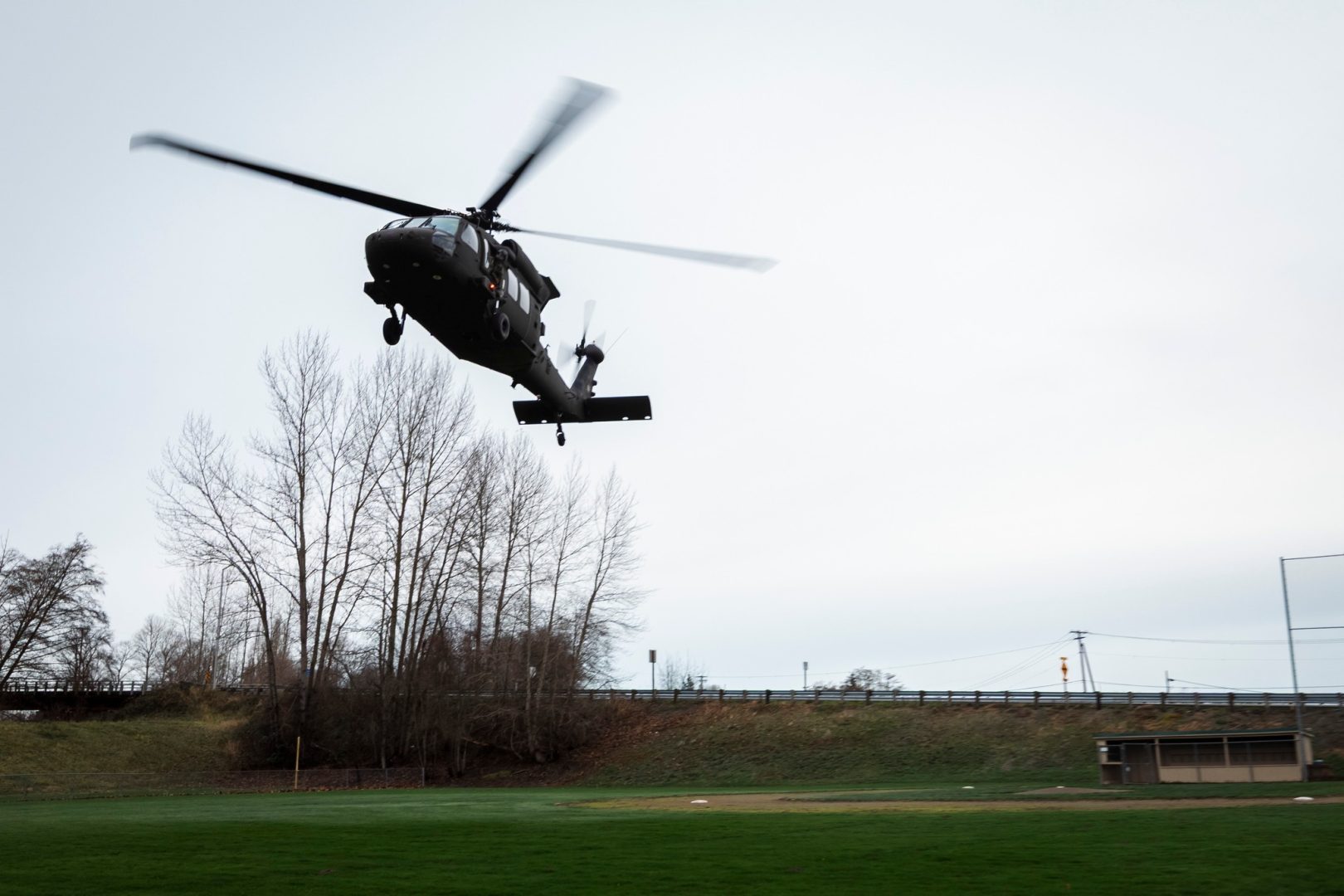
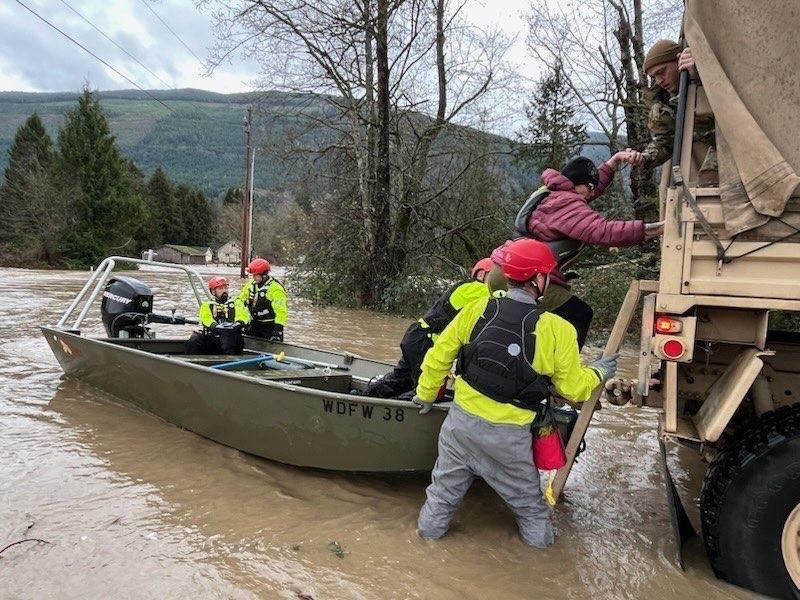
Army National Guard aviation units and Air National Guard Tactical Air Controllers surged into the affected region, operating from locations such as Skagit Regional Airport. These crews conducted aerial surveys, hoist rescues, and rapid response missions that have been credited with saving numerous lives. On the ground, Guard members filled tens of thousands of sandbags, manned traffic control points, supported swift-water rescue teams, and went door-to-door assisting residents with evacuations in areas like Burlington and Mount Vernon. Field artillery units from the 2nd Battalion, 146th Field Artillery Regiment assisted with evacuations by transporting boats and helping extract residents from flooded neighborhoods.
State officials and Guard leadership have highlighted the professionalism and adaptability of Washington’s citizen-soldiers and airmen, many of whom have extensive experience responding to floods and natural disasters across the state. Washington National Guard units have previously supported flood response efforts in Lewis, Skagit, Snohomish, Spokane, and other counties, building institutional knowledge that has proven critical during this emergency. Senior leaders visiting emergency operations centers praised the coordination between state, local, tribal, and federal partners, noting the effectiveness of early planning and rapid execution.
In addition to National Guard operations, StateDefenseForce.com has confirmed that the Washington State Guard has also been activated for this emergency, supporting operations within Emergency Operations Centers across the affected regions. The Washington State Guard is working alongside other state and local agencies to assist with coordination, planning, and response management during this complex and evolving disaster. As conditions continue to change and additional rainfall remains possible, the role of these state military forces remains vital to sustaining response efforts and supporting overwhelmed local jurisdictions.
Officials continue to urge residents to remain vigilant, heed evacuation orders, and monitor official updates as floodwaters move through river systems and low-lying communities. With additional storms forecast in the coming days, emergency managers warn that recovery efforts may be delayed as response operations remain ongoing. StateDefenseForce.com will continue monitoring the situation and plans to provide additional updates on the activities of the Washington State Guard and the broader Washington State Military Forces as this historic flooding event unfolds.
National Guard mobilizes in support of Floods in Western Washington
As catastrophic flooding continues to cause damage in communities across the state, the Washington National Guard will mobilize up to 300 personnel to help local agencies respond to the ongoing crisis.
“There will be significant impacts following this disaster. I want to thank the governor for signing an emergency proclamation which allowed us to get our Washington National Guard personnel ready to support those affected,” said Maj. Gen. Gent. Welsh, the Adjutant General.
Gov. Bob Ferguson signed Emergency Proclamation 25-07 on Dec. 10, authorizing the use of the Washington National Guard. Guard members will assist with evacuation efforts, staff traffic control points and support sandbag operations. Army National Guard helicopter crews may also be used to aid search and rescue missions.
Washington National Guard members have responded to numerous flood events in recent years, including incidents in Lewis (2007, 2008, 2009, 2022), Skagit (2021), Snohomish (2021) and Spokane (2015, 2016) counties.
The Washington National Guard is the state’s proven and reliable force, composed of citizen-soldiers and airmen from communities across Washington who stand ready to protect lives, property and critical infrastructure.
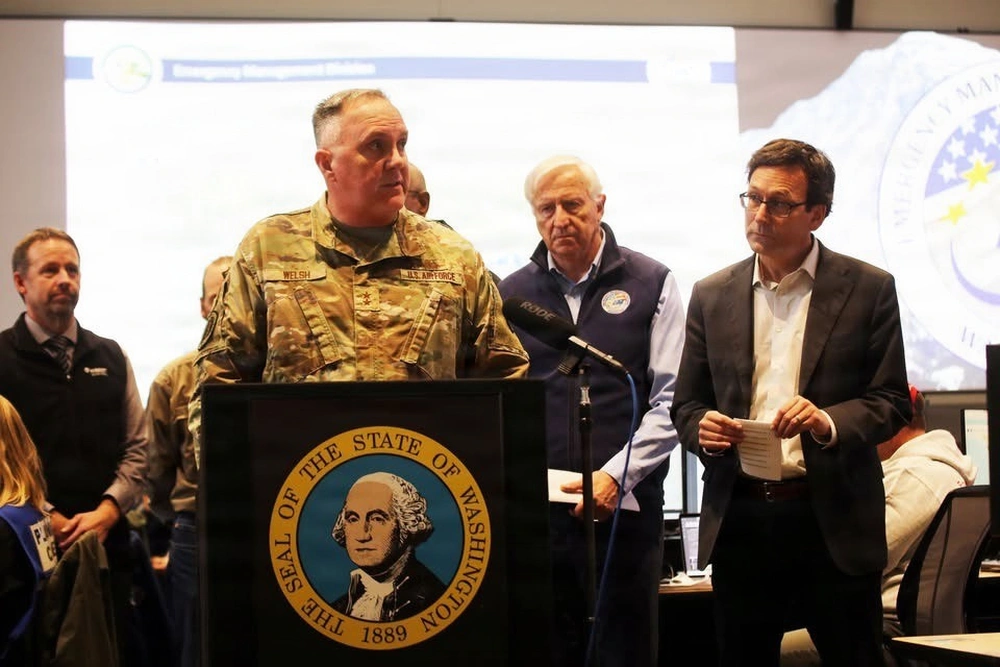
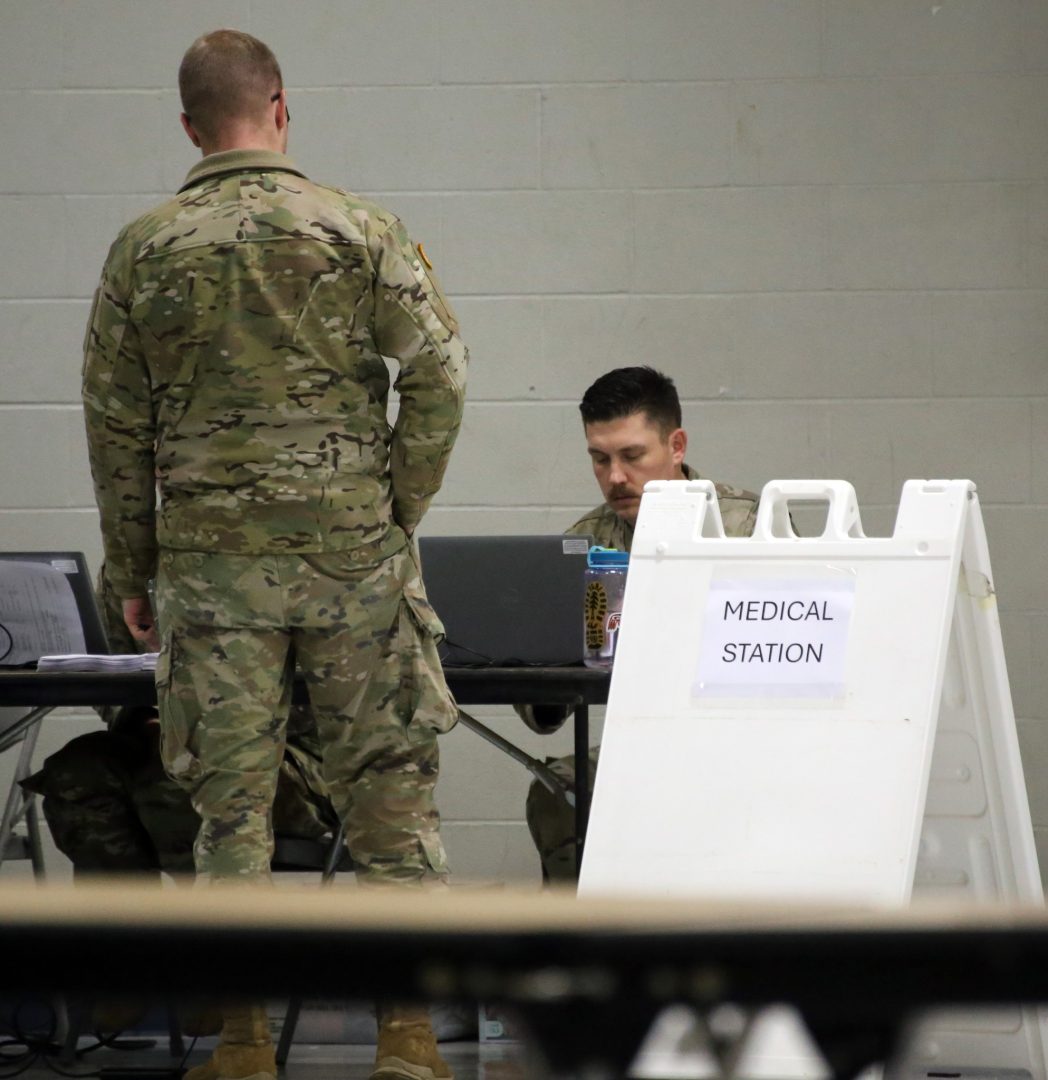
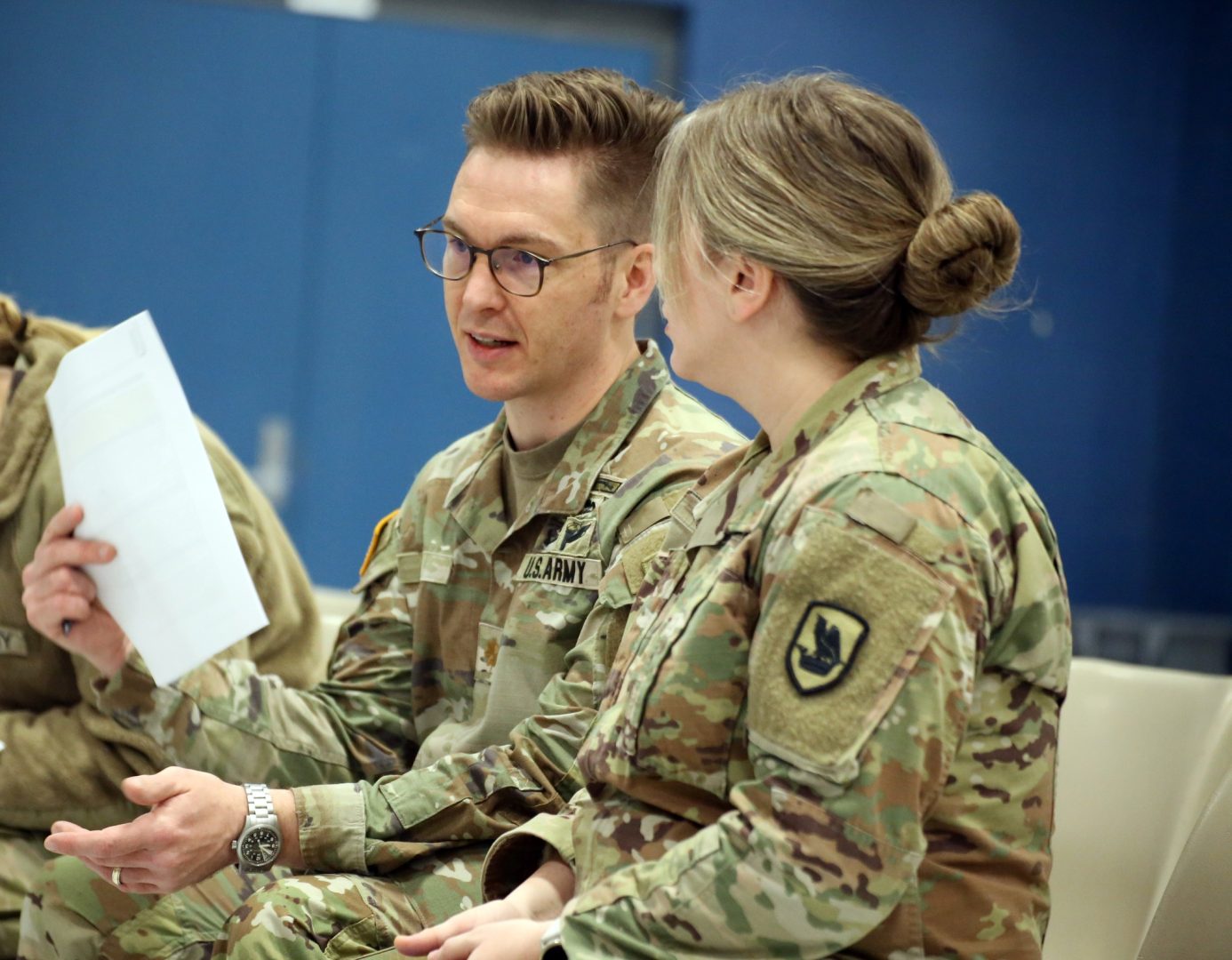
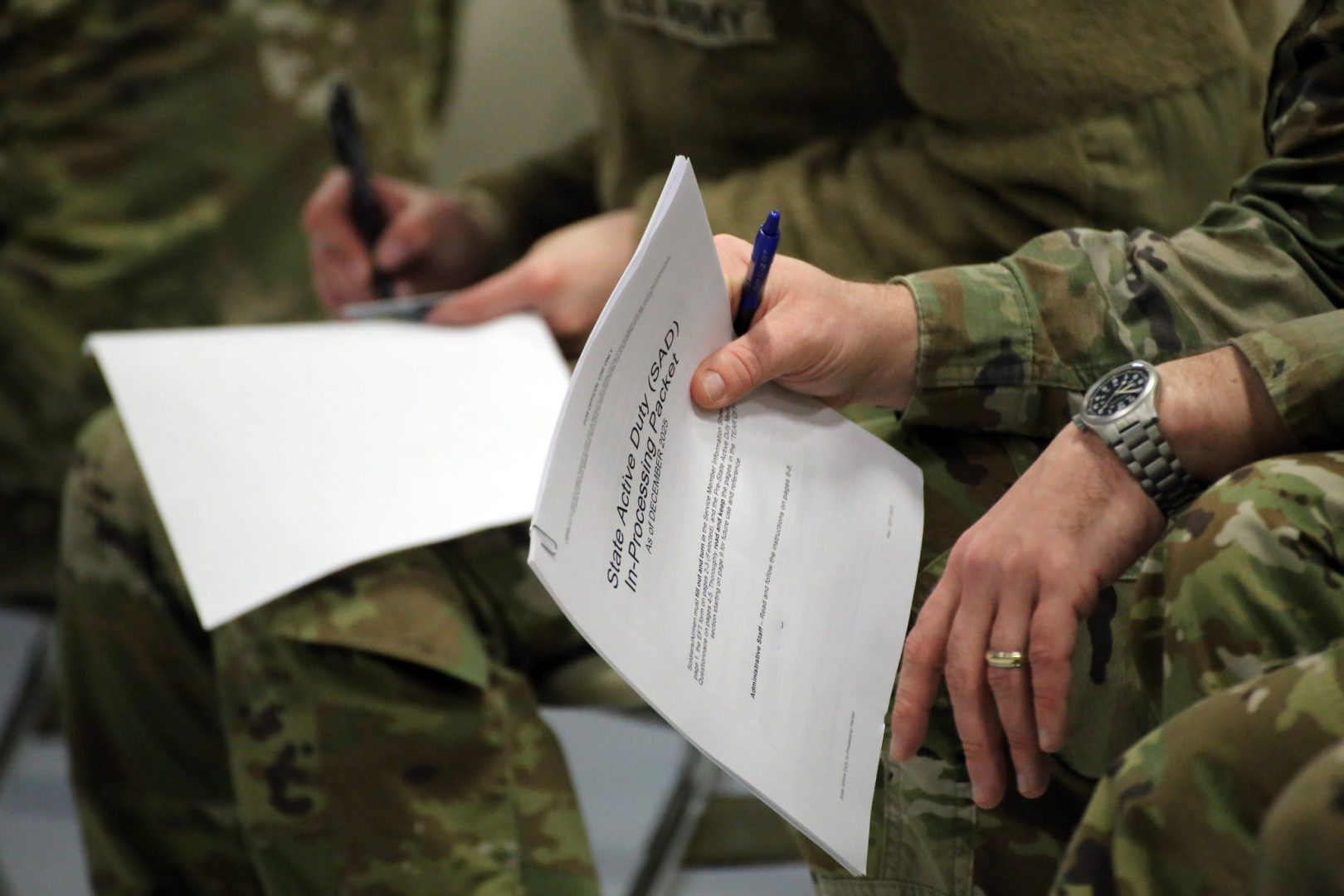
200 Guardsmen are currently receiving their in-brief and in-processing before assisting flood response efforts in western Washington.
Happening Now: 200 Guardsmen are currently receiving their in-brief and in-processing before assisting flood response efforts in western Washington.
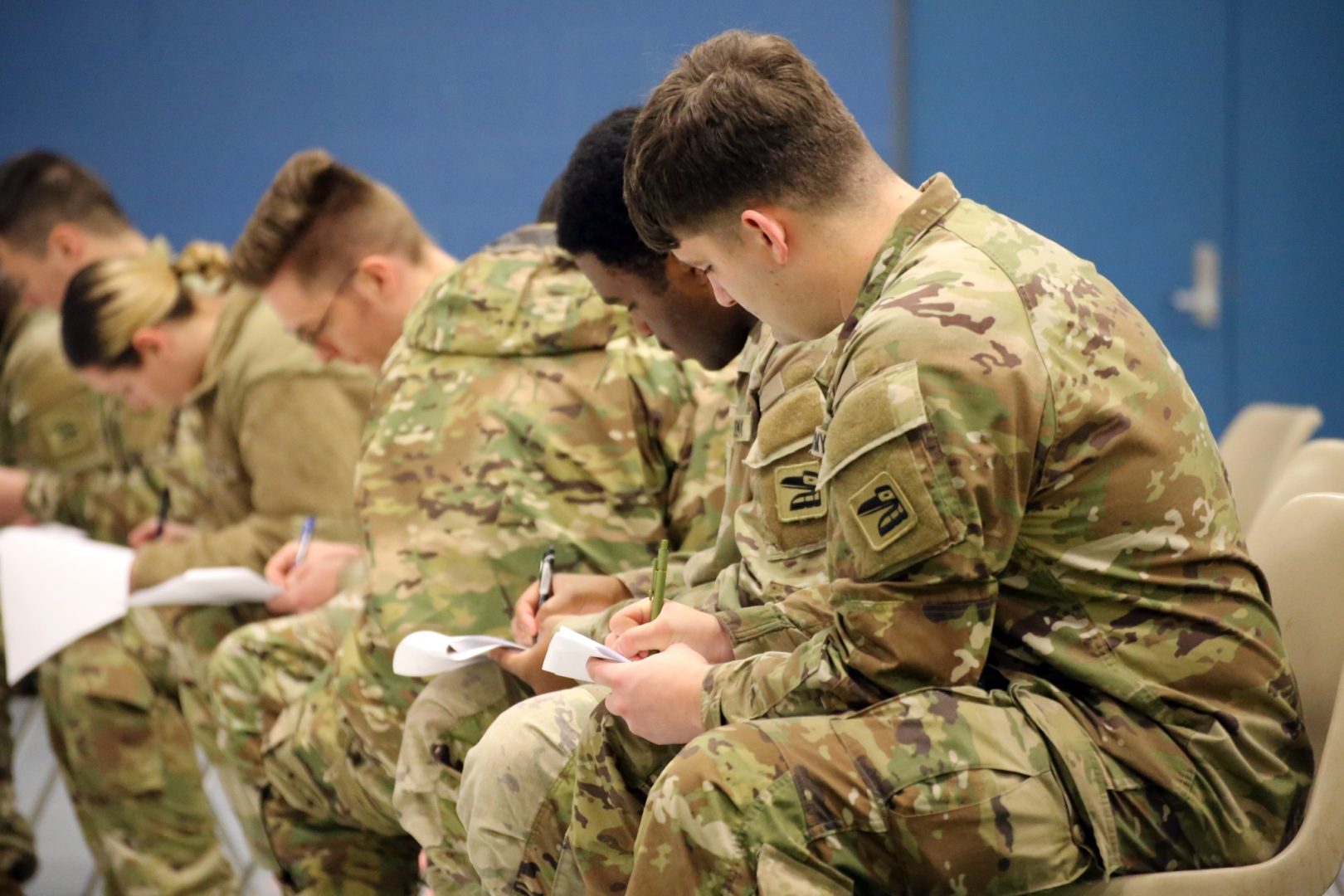
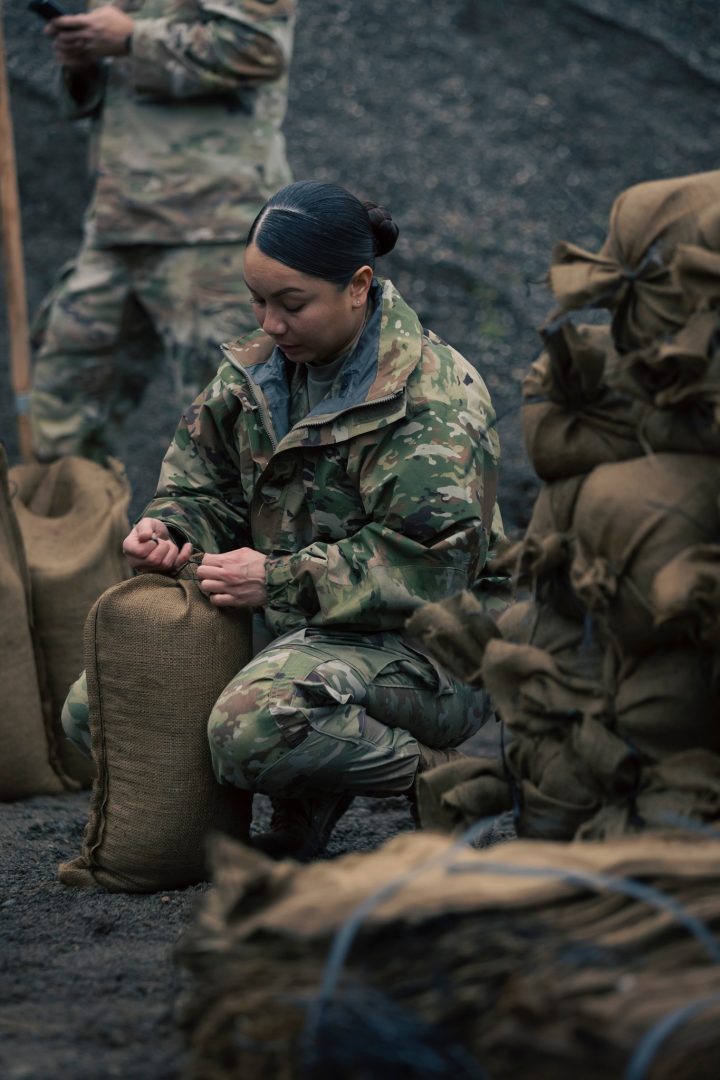
Happening in Skagit County – Guardsmen are filling Sandbags in support of first responders helping those affected by historic flooding in the area.
SPC Brian Davis, an infantryman with 3rd Battalion, 161st Infantry Regiment discusses how in less than 24 hours, he and 200 Guardsmen went from their civilian jobs to supporting the flooding in Western Washington.
SPC Jake Bruess, an insurance adjuster from Tacoma and member of the 3rd Battalion, 161st Infantry Regiment discusses how in less than 24 hours, he and 200 Guardsmen went from their civilian jobs to supporting the flood response in Western Washington.
Earlier today one of our aviation crews rescued a stranded individual off the roof of a vehicle in Skagit County. Please use caution and listen to authorities on travel advisories.
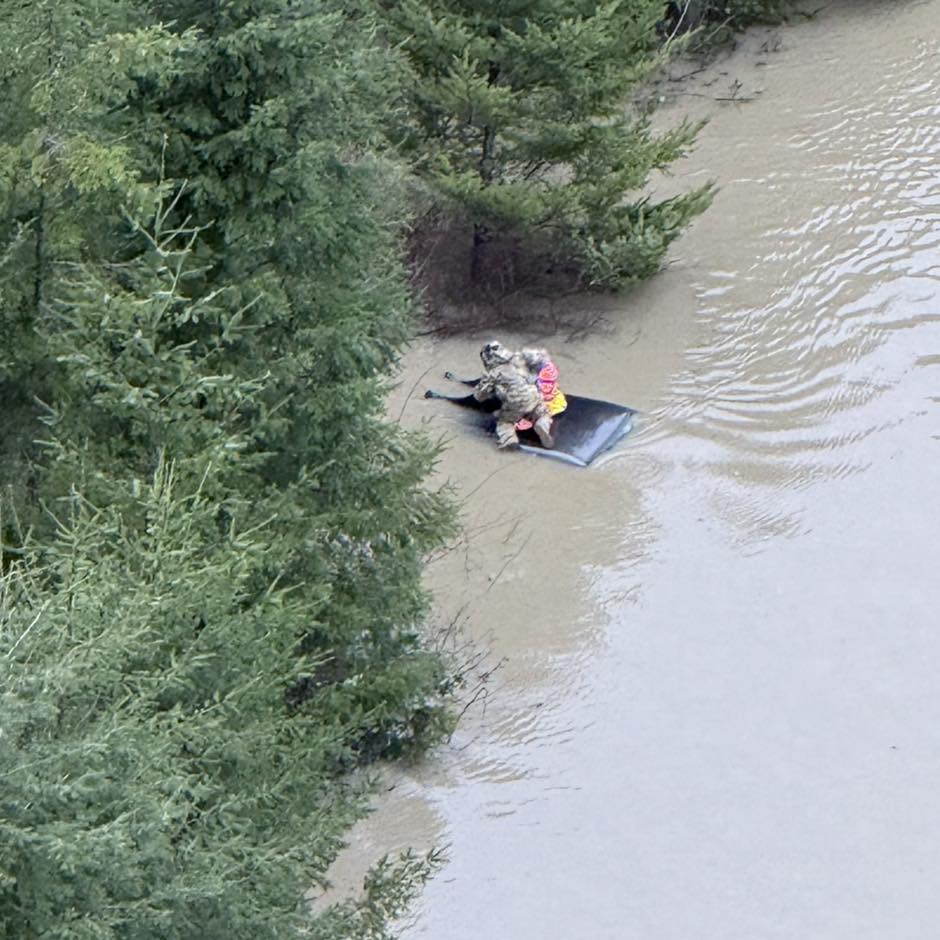
Yesterday was a busy day for our Washington National Guard members supporting flood relief operations in Skagit County. From Aviation survey and hoist operations to filling sandbags and managing traffic control points, our men and women are supporting their state as needed.
More than 300 Guard members are on duty today to support local first responders in flood areas with life saving measures.
Guard personnel are supporting swift water rescue missions in Burlington this morning, helping those citizens who are in need to evacuation and medical attention.
Guardsmen from 2nd Battalion, 146th Field Artillery Regiment are assisting swift water rescue crews with emergency evacuations. Crews will bring the boats up to the back on a LMTV and Guard personnel will help get the citizens to safety.
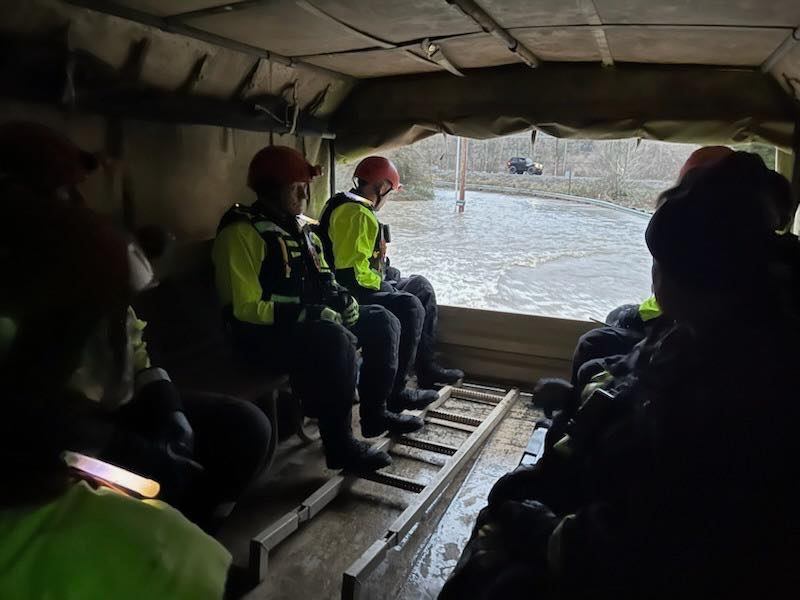
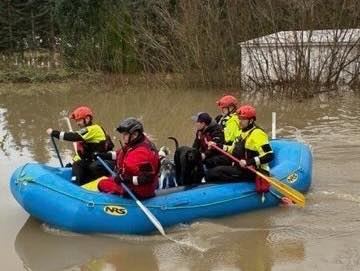
Since Thursday the Washington National Guard has been supporting officials in Skagit and Snohomish Counties with flood response efforts following historic flooding in the area.
Guard members have filled more than 11,000 sand bags, assisted with helicopter rescue missions, are manning a number of traffic control points, supporting swift water rescue teams and fire departments with ensuring those pulled out of the water get to medical folks right away and went door to door to help with any evacuations.
We encourage everyone to follow local authorities instructions and remain safe.
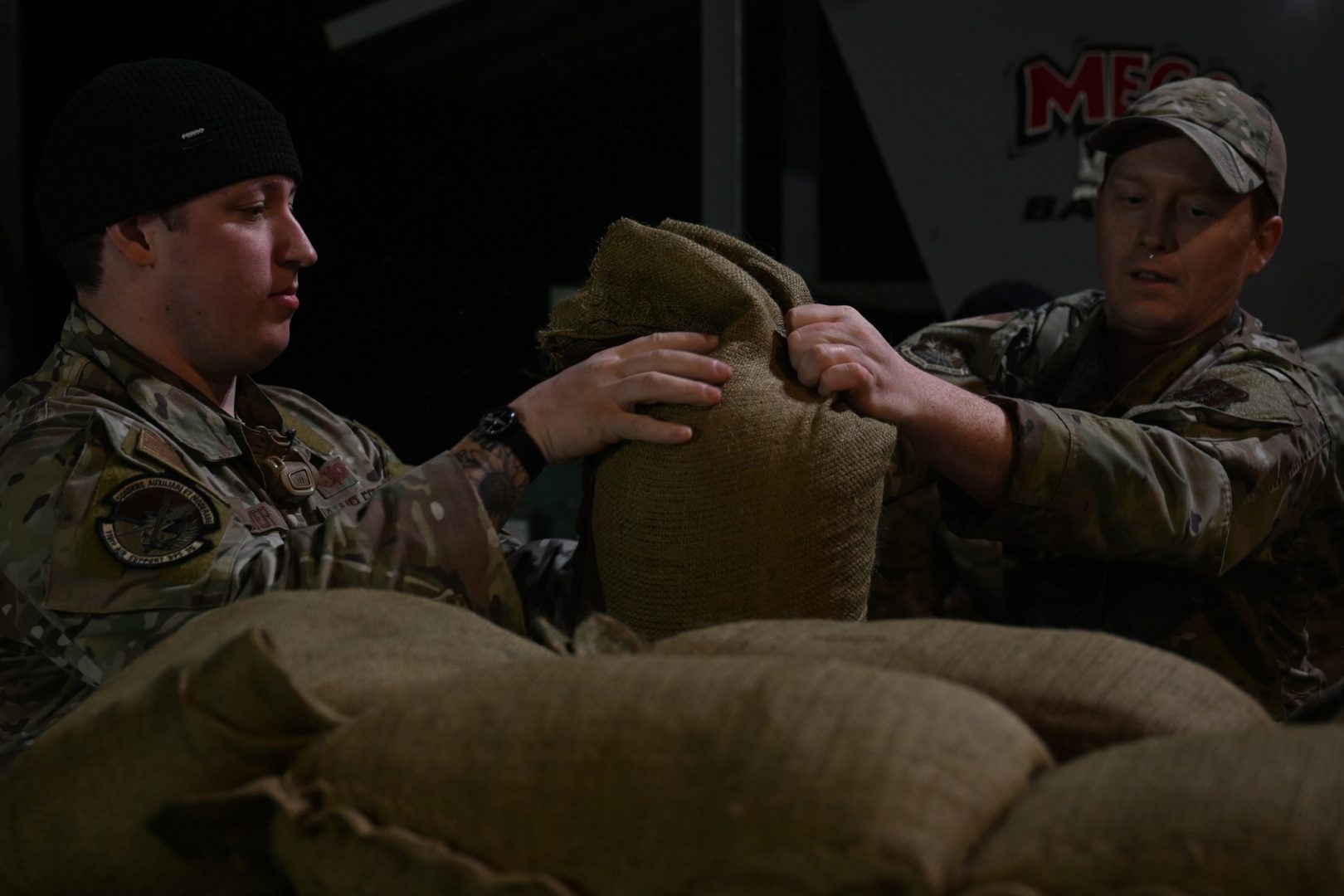
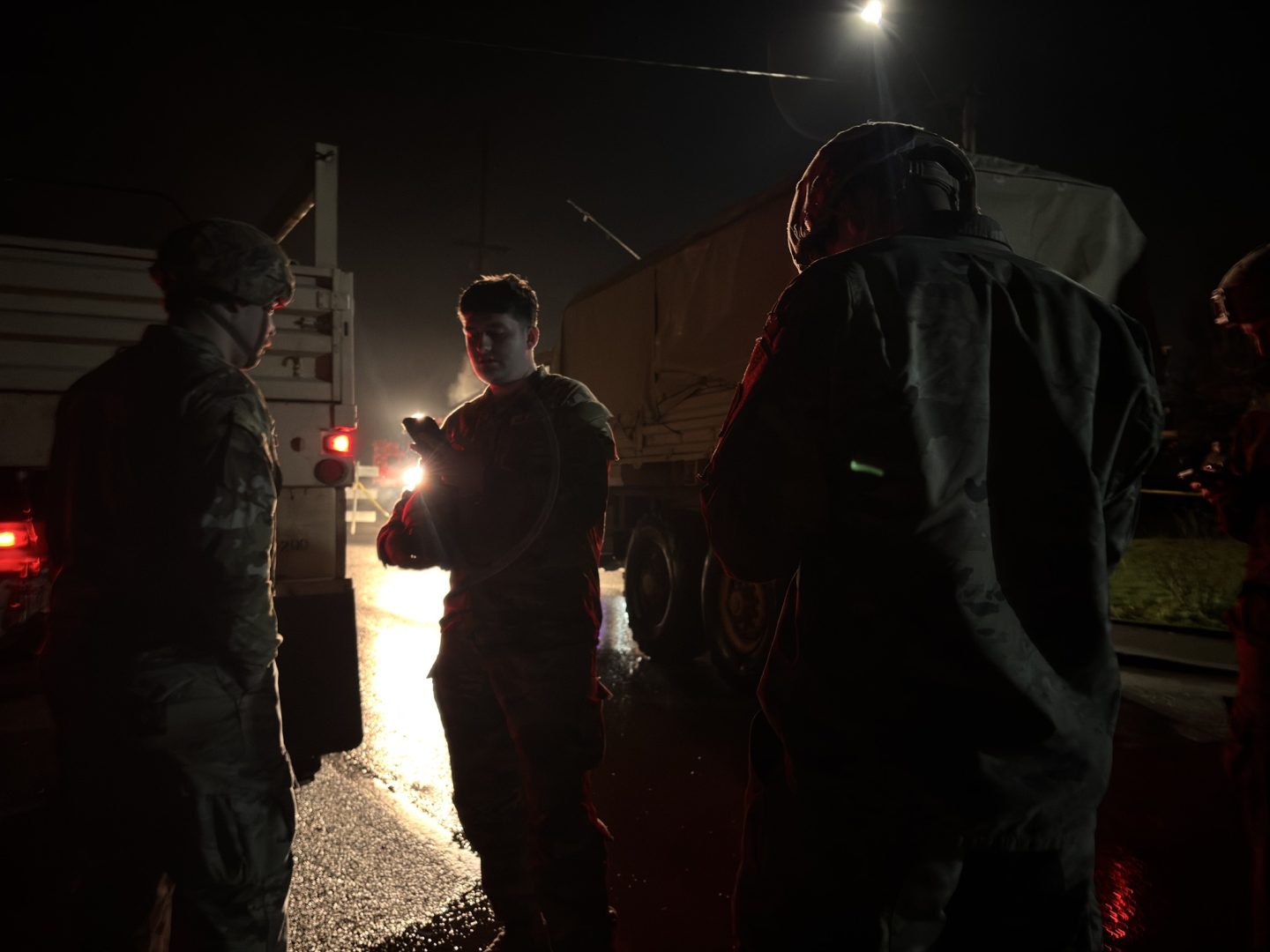
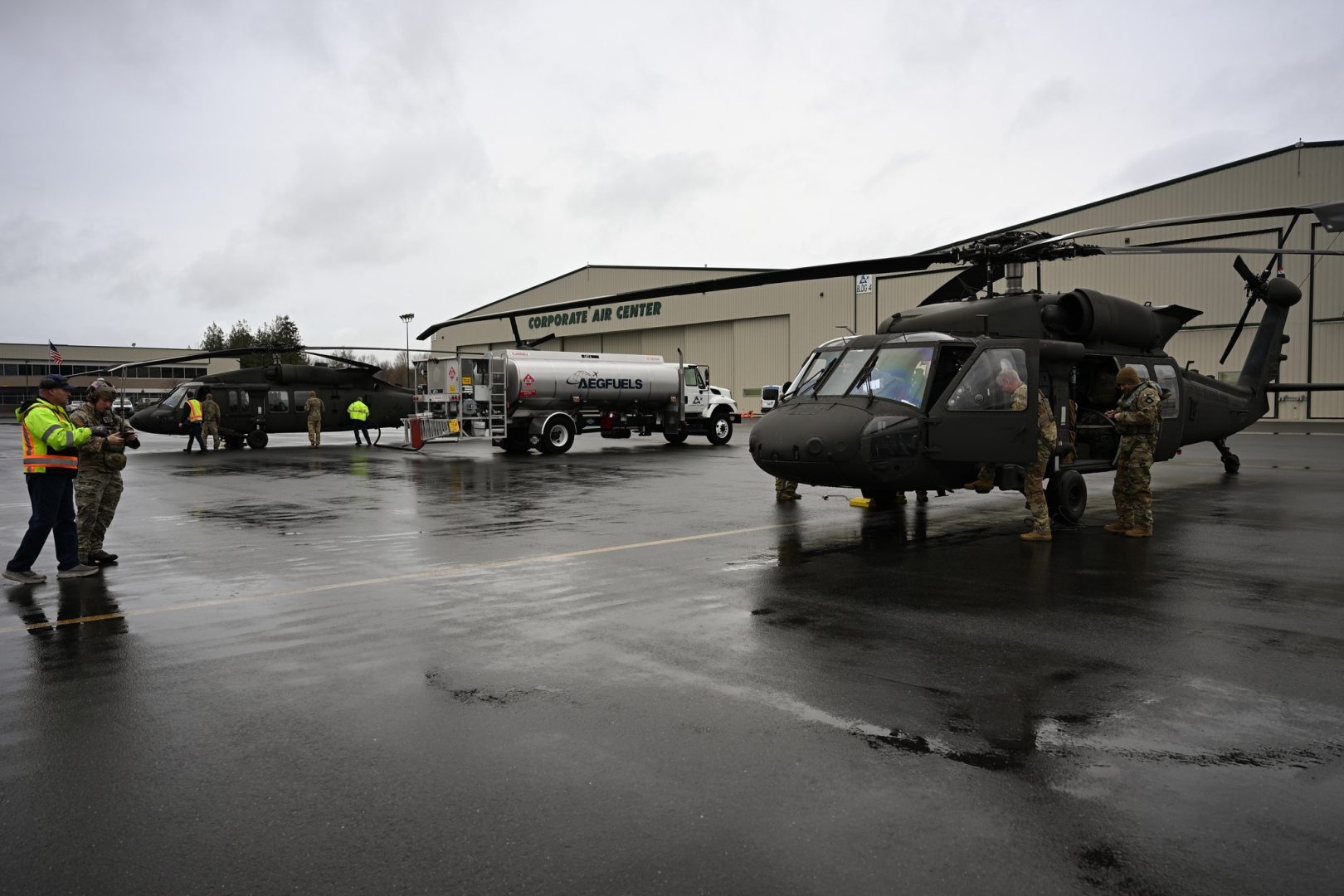
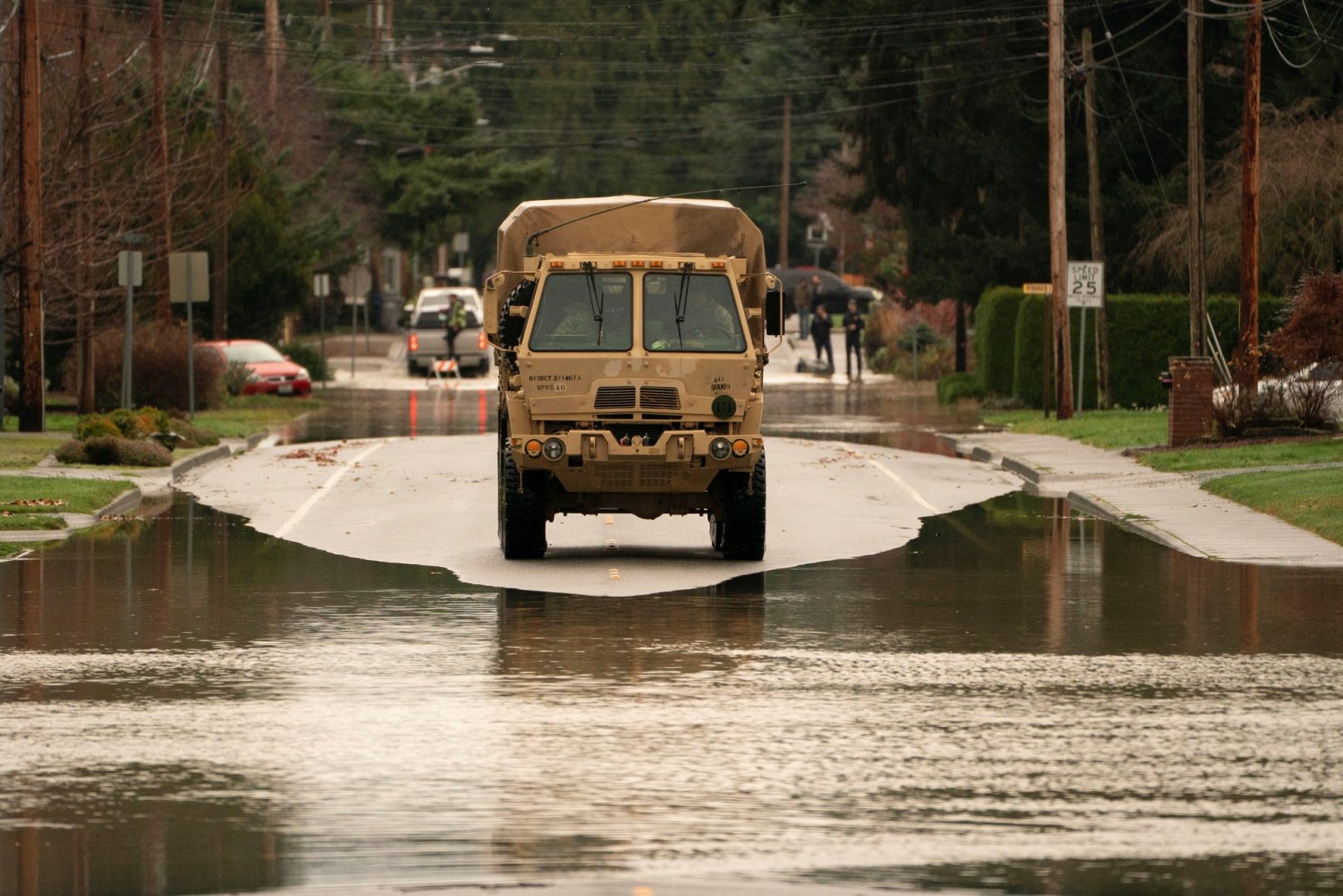
Adjutant General
Made a quick trip back up to Skagit County today to recognize our folks and fly some aerial reconnaissance with local fire chiefs and elected officials. This mission will likely remain for another week or more as the Skagit river is forecast to rise above major flood stage early on Tuesday.We were able to send four National Guard members from Skagit to the Auburn area of King County today to help with some of the evacuations down there. Some of the team headed there are Auburn residents so truly neighbors helping neighbors.
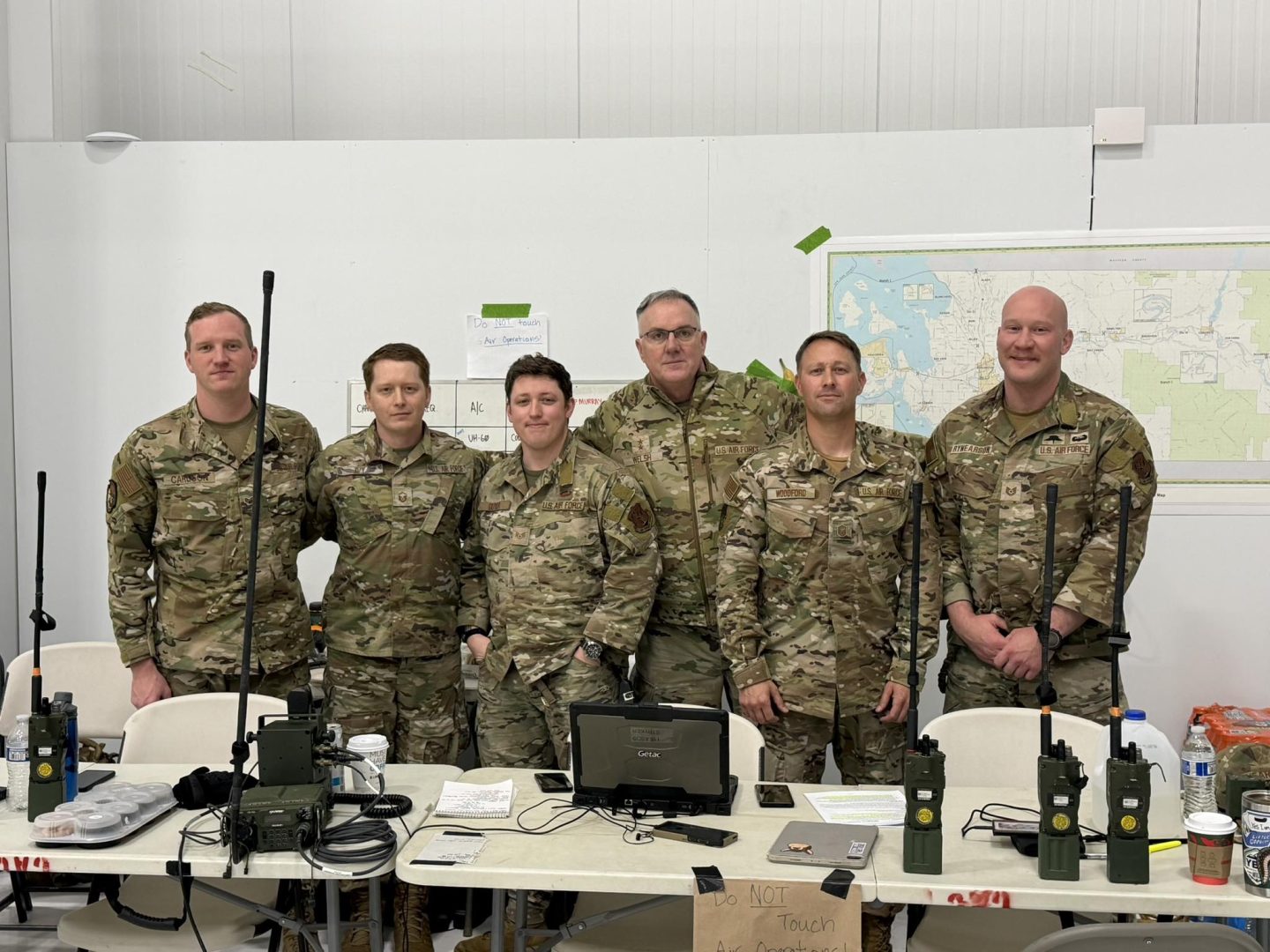
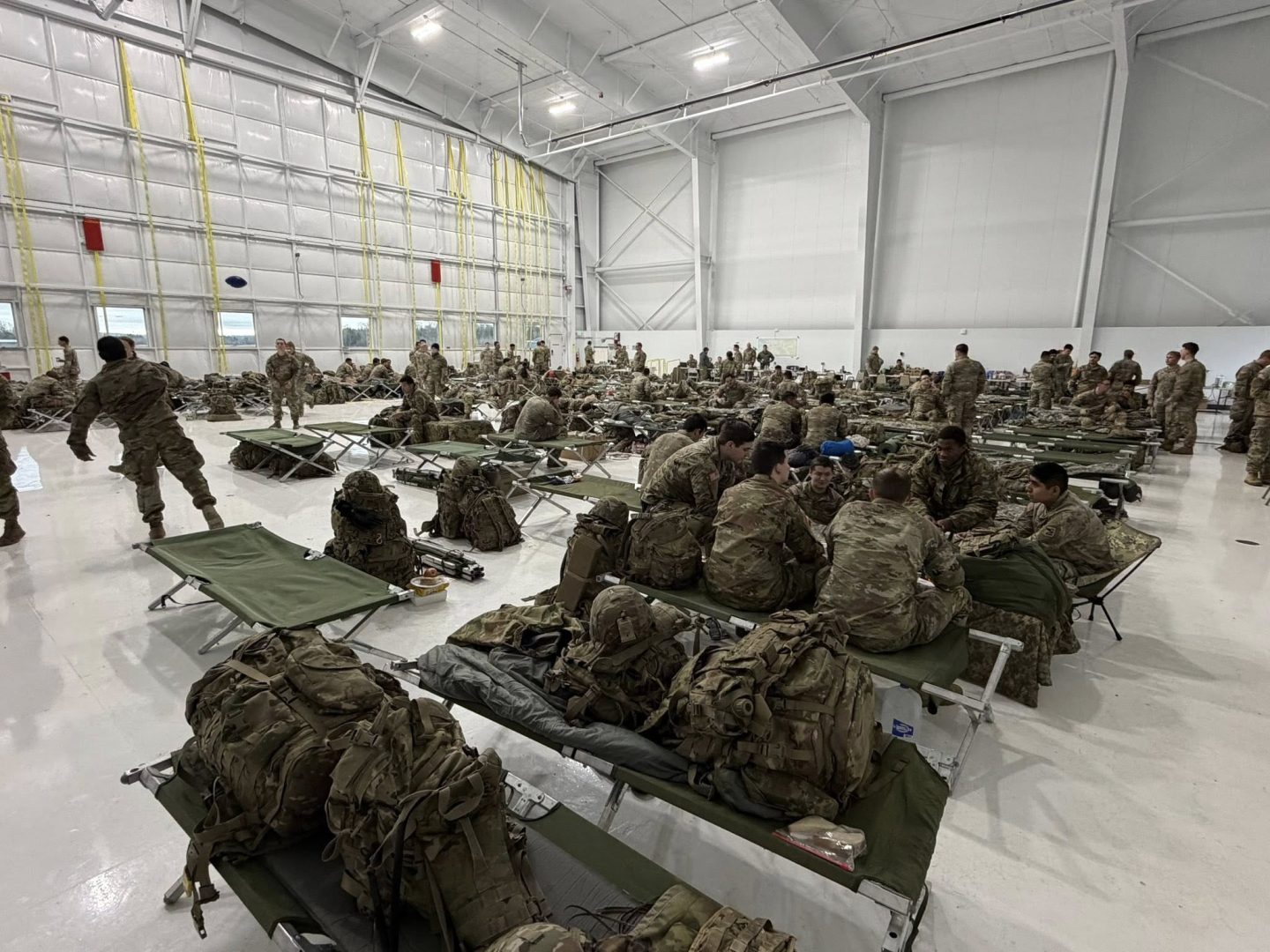
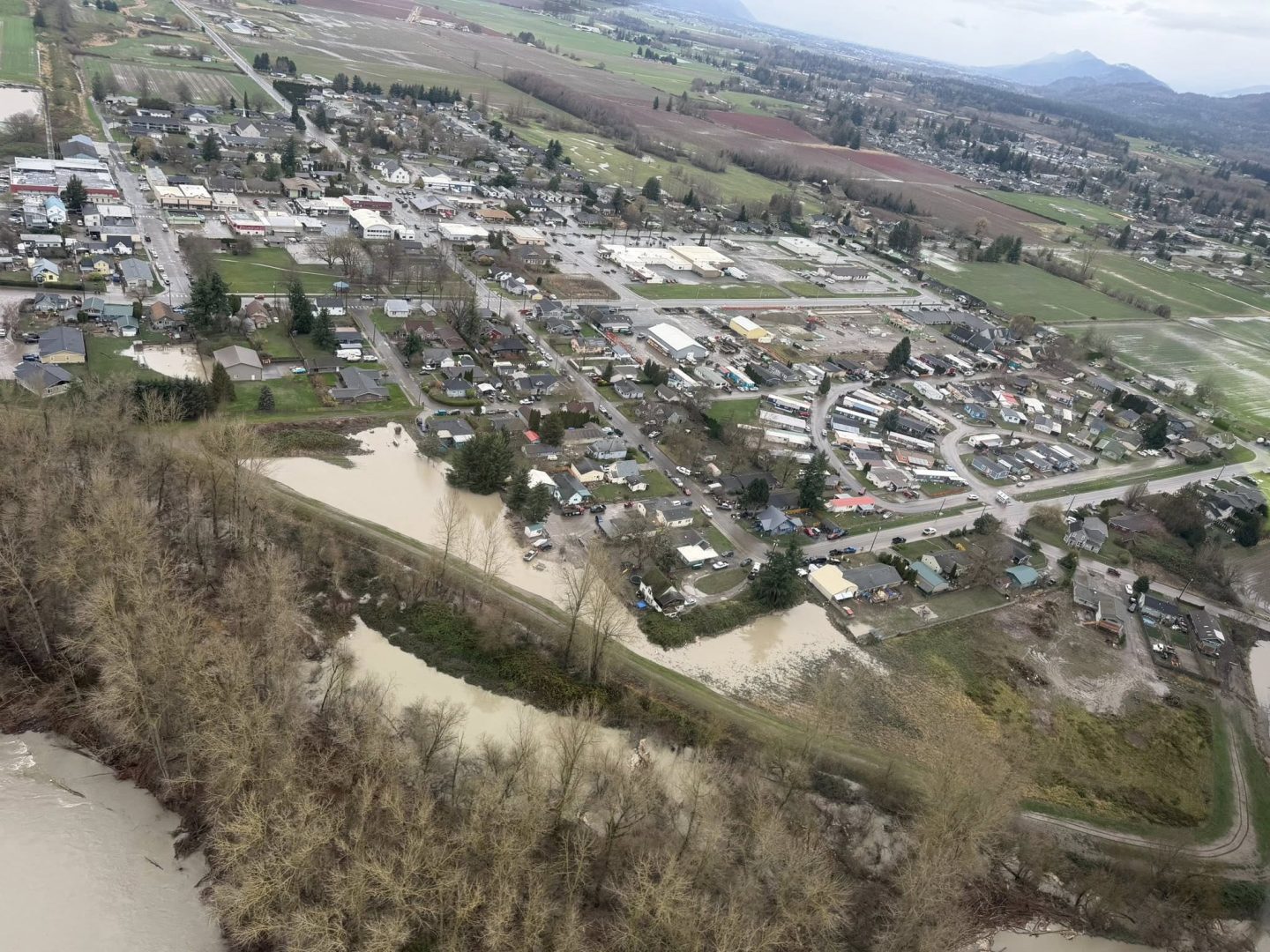
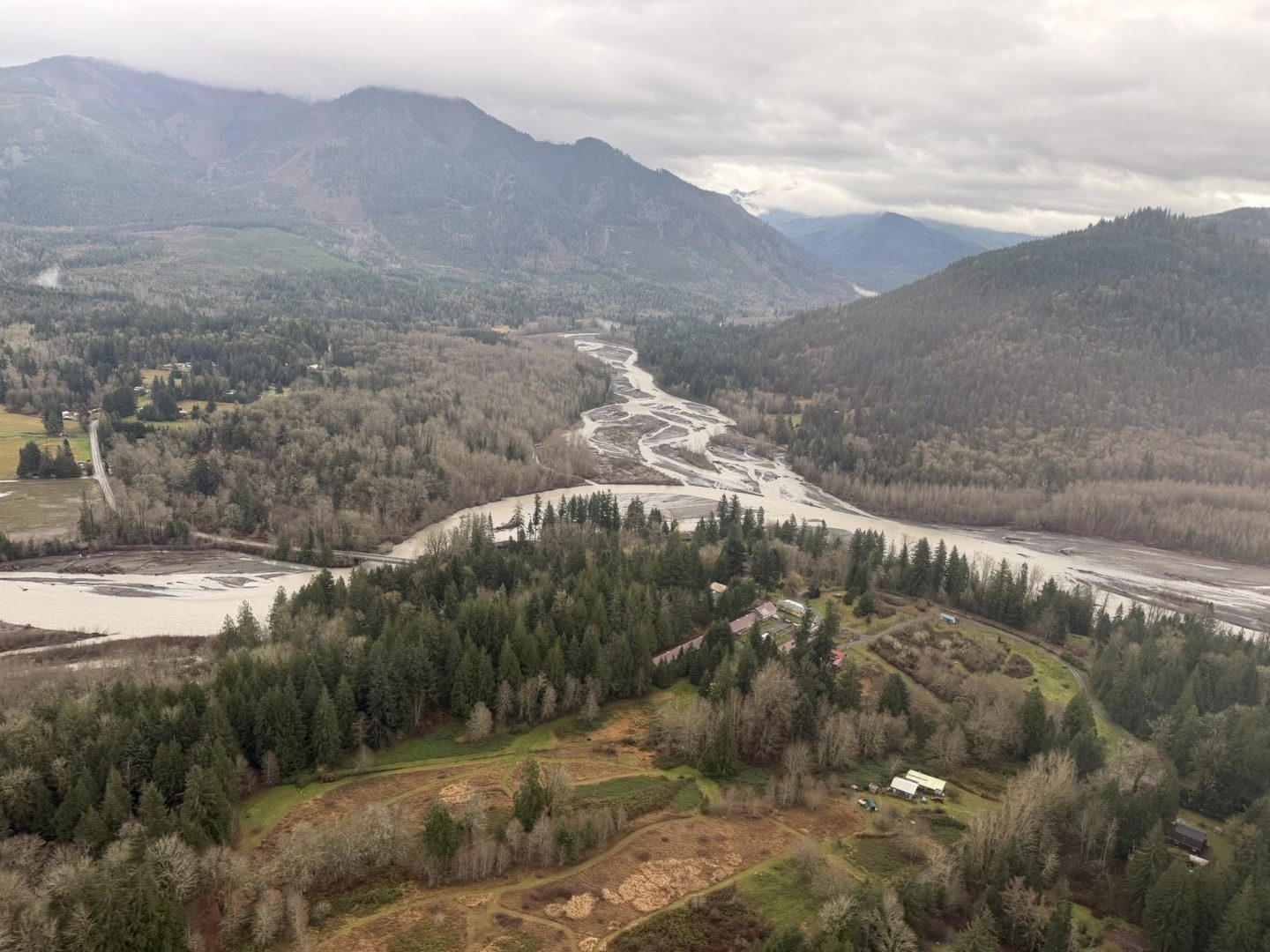
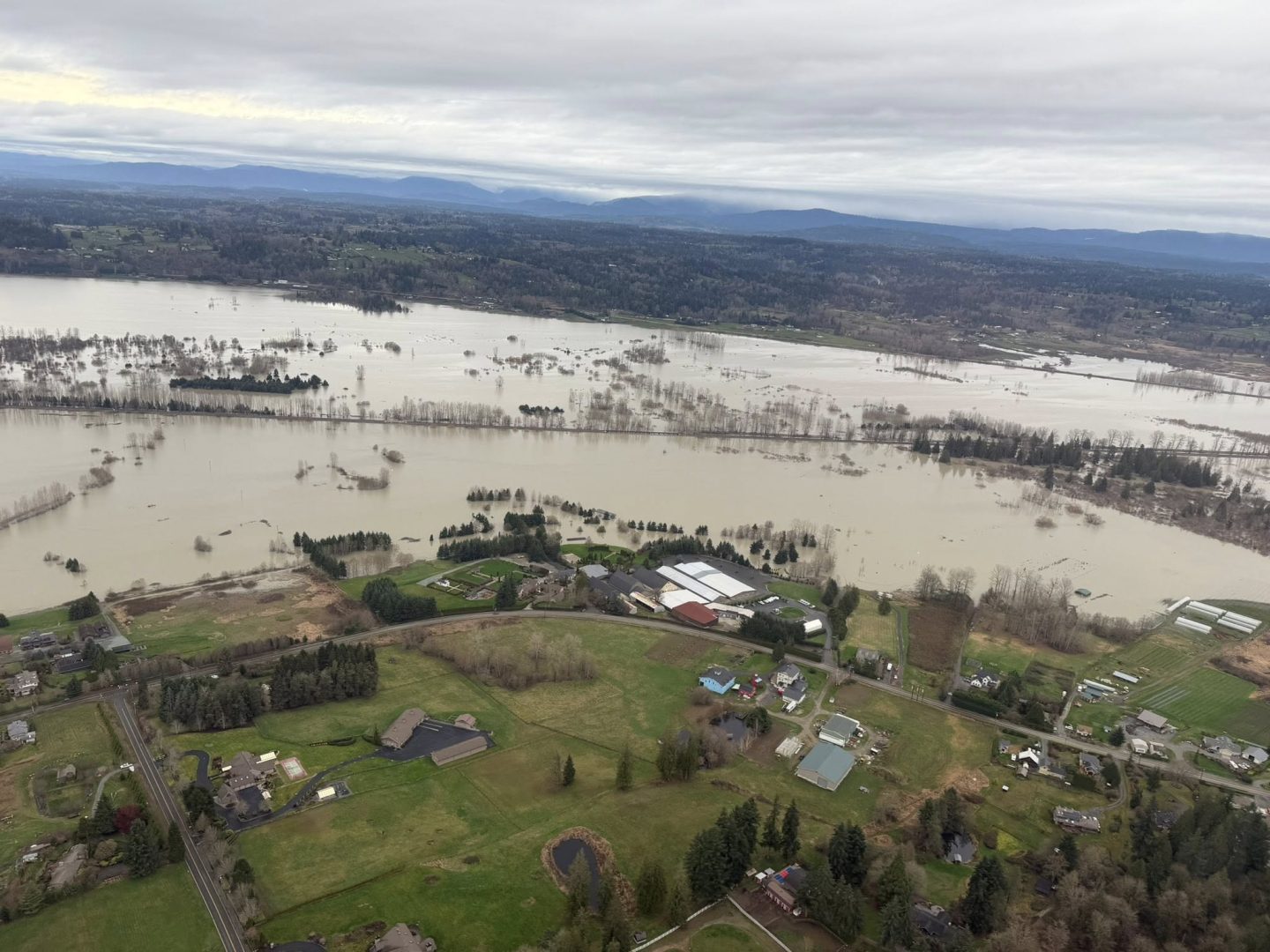
As of this morning more than 250 Guard members are supporting on-going flood response operations in Western WA. Our team has filled nearly 15,000 sandbags, continue to support traffic control points, evacuations, hoist missions and swift water rescues.
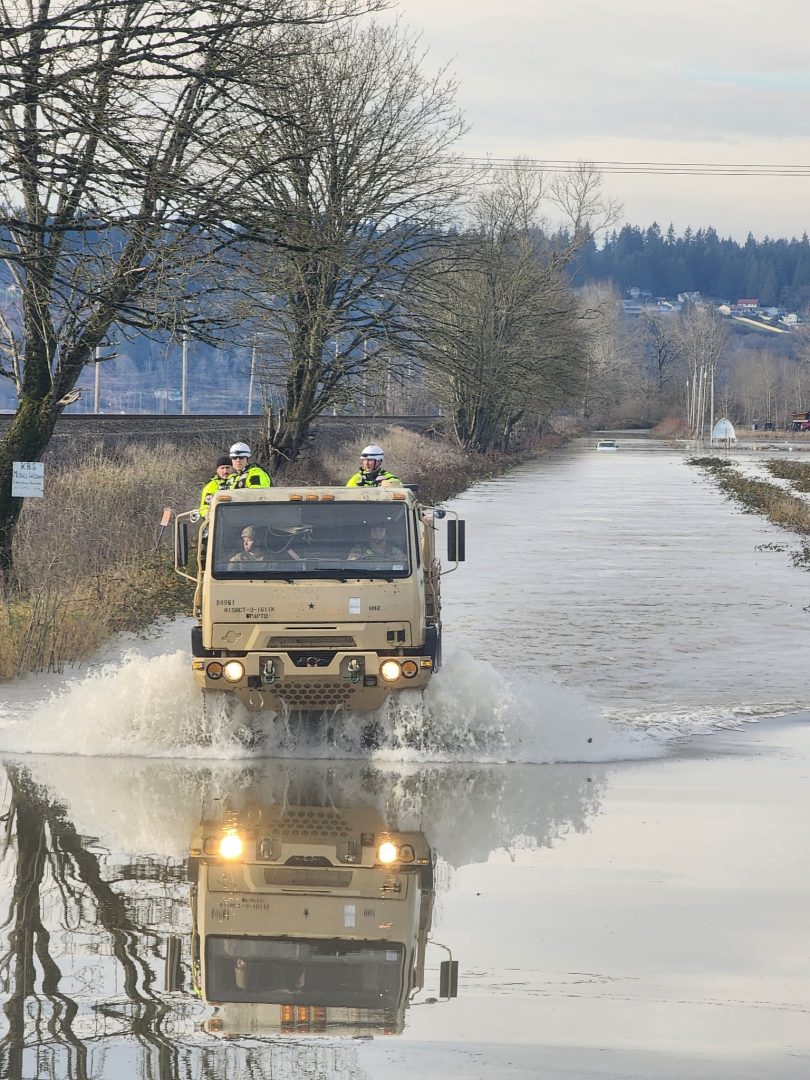
Sources: Washington National Guard PAO – AP News – NPR – Governor Office – My Northwest – DVIDS – Governor Bob Ferguson – Washington National Guard – Washington Adjutant General