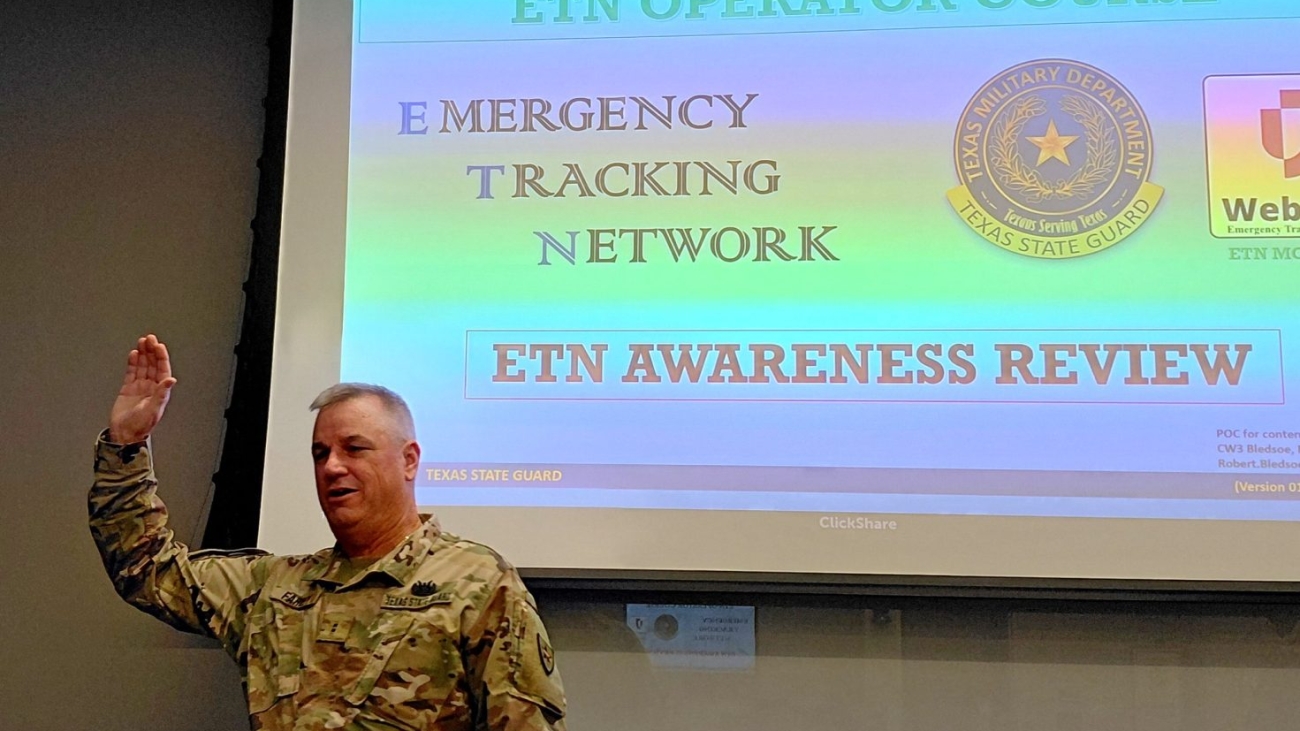
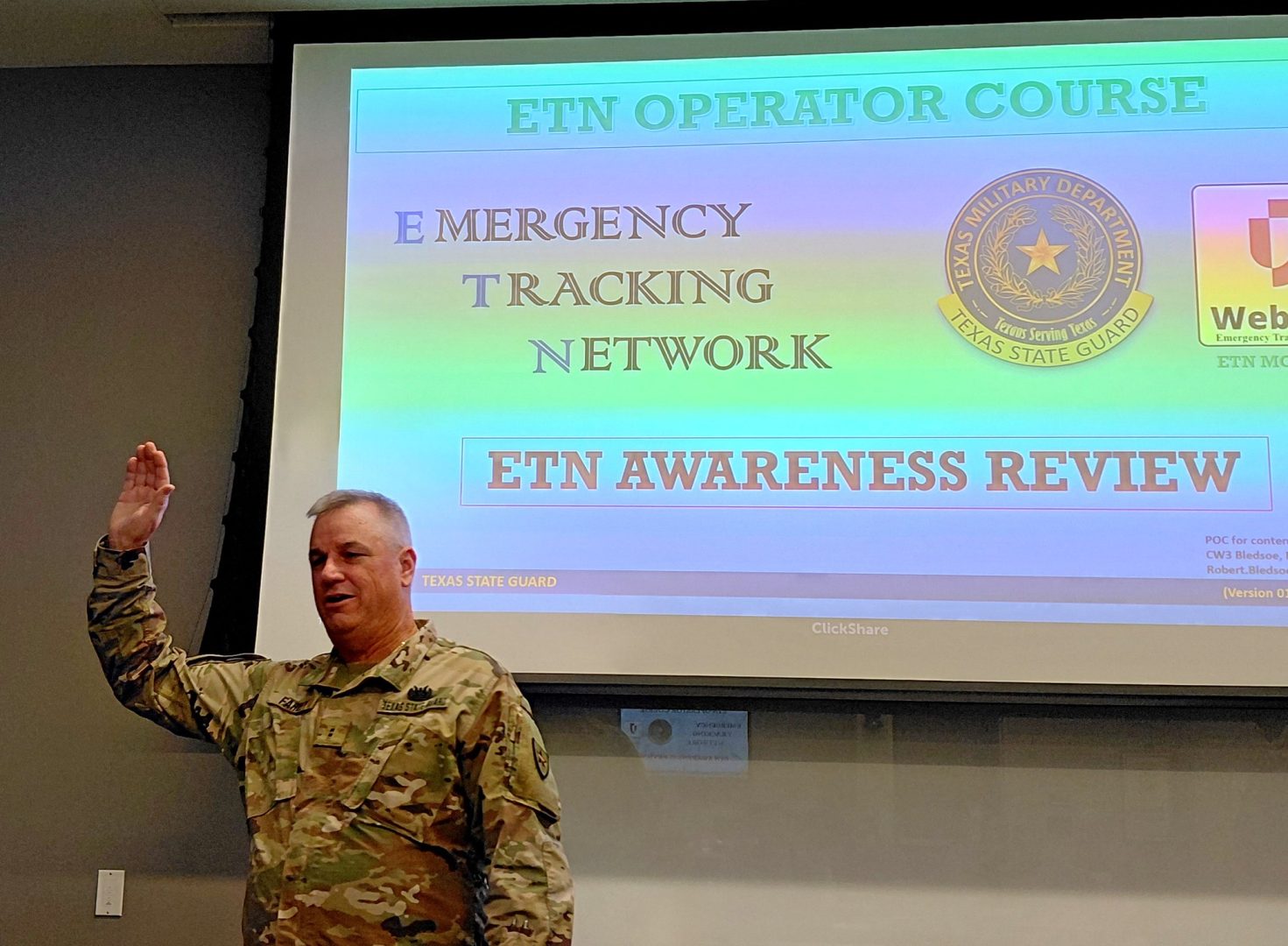
During their February training drill, soldiers of the 2nd Brigade of the Texas State Guard dedicated their weekend to mastering and certifying on one of the most critical disaster-response tools in the state’s emergency management arsenal, the Emergency Tracking Network (ETN). This electronic accountability system is designed to track evacuees from evacuation hubs to designated shelters safely outside a disaster area. In a state as vast as Texas, where hurricanes, floods, tornadoes, and wildfires can force thousands to flee with little warning, this training represents far more than a routine drill. It is preparation to safeguard lives, preserve families, and maintain order amid chaos.
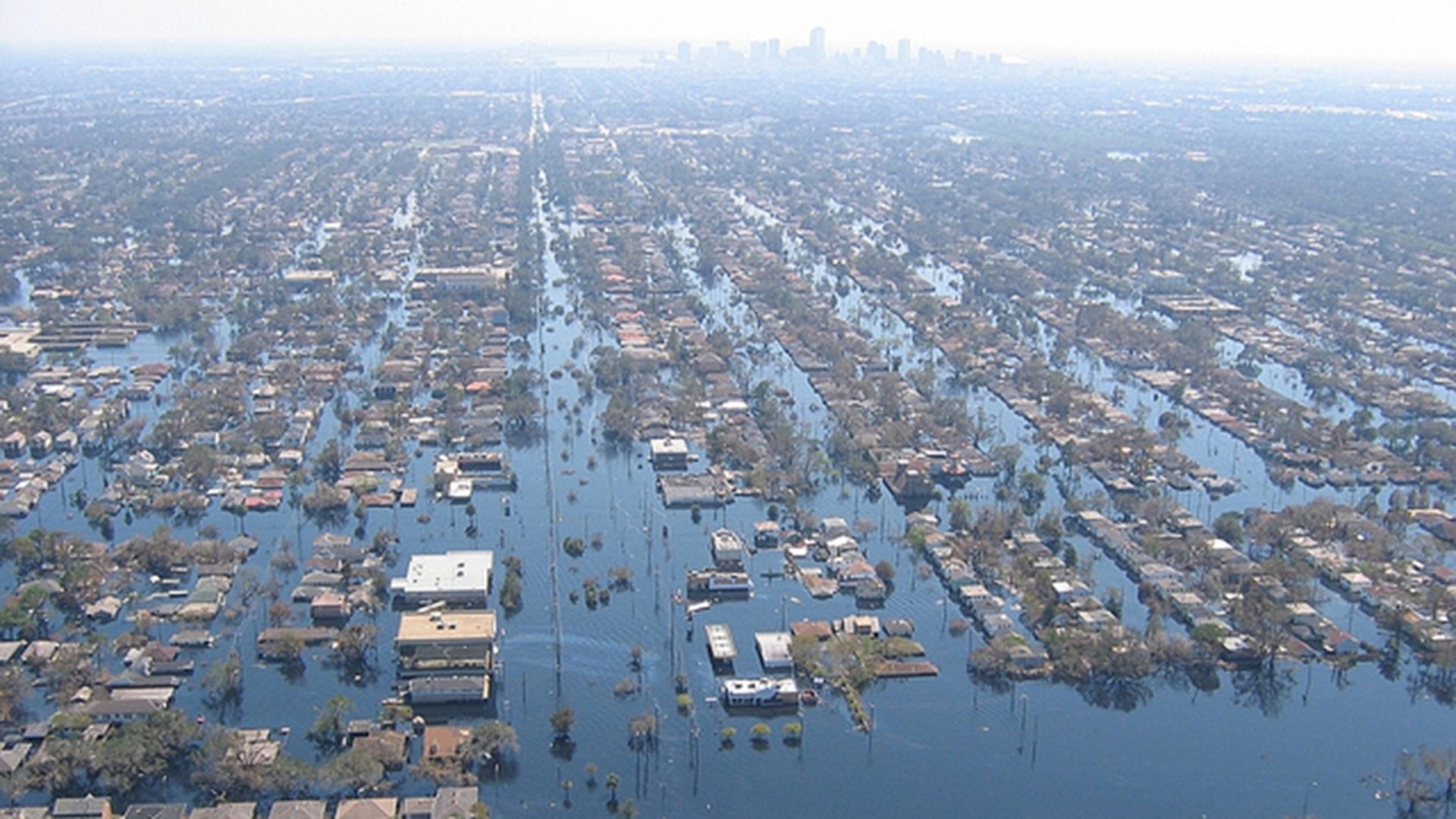
When catastrophe strikes, evacuees often leave their homes in moments of urgency and uncertainty. They may not know where they are headed, when they will return, or whether they will remain together with their loved ones. One of the most significant lessons learned during Hurricanes Katrina and Rita was the urgent need for an accountability system capable of tracking thousands of rapidly evacuating citizens. Families were separated, communication networks failed, and many had no means of locating one another.
The ETN system was developed to prevent such breakdowns from occurring again. As the principal state agency tasked with the Emergency Tracking Network mission, the Texas State Guard operates and supervises this essential system on behalf of the State of Texas. During the February drill, 2nd Brigade soldiers sharpened the specialized skill set required to execute this mission flawlessly under real-world conditions.

At an evacuation hub, Texas State Guard soldiers are often the first uniformed personnel evacuees encounter, as State Guard / State Defense Force troops are able to mobilize and deploy within 2 hours. Guardsmen provide reassurance and guidance, directing families to registration stations where they are entered into the ETN system. Each evacuee receives a uniquely coded wristband that is scanned and recorded electronically. Family members are registered together, ensuring they travel and shelter as a unit. Medical equipment such as wheelchairs or walkers is tagged and tracked, and even pets are banded and entered into the system to ensure they are transported to designated pet shelters rather than left behind.
This level of accountability does more than organize movement, it restores dignity and calm during moments of fear. For many evacuees, knowing their loved ones and pets are registered and traceable eases anxiety and encourages compliance with evacuation orders. Guardsmen then scan wristbands as individuals board buses, aircraft, or helicopters, creating a digital chain of custody from embarkation point to shelter arrival. Upon reaching the shelter, wristbands are scanned again, confirming safe arrival and updating the system in real time.

The importance of ETN extends beyond logistics. It provides the State of Texas with vital situational awareness. With accurate records of who has evacuated and who has not, emergency managers can identify individuals who may still be inside affected areas. That information can guide reconnaissance efforts, including the deployment of drone aircraft or other search assets to locate missing Texans who may be trapped or unable to self-evacuate.
Equally significant is the reassurance ETN provides to families. During disasters, communication networks are often damaged or inoperable. As no news is heard from family members fear intensifies when loved ones cannot be reached. ETN offers confirmation that an individual has evacuated, where they are sheltered, and that they are being cared for. In moments when panic and uncertainty threaten to overwhelm communities, this accountability system becomes a pillar of stability.
The Emergency Tracking Network proved its versatility during Hurricane Harvey, where it was used to manage evacuations, monitor shelter populations, and track pets and medical equipment. As disasters evolve in complexity and frequency, the ability to maintain accountability and family unity remains one of the most critical missions the Texas State Guard trains to perform.
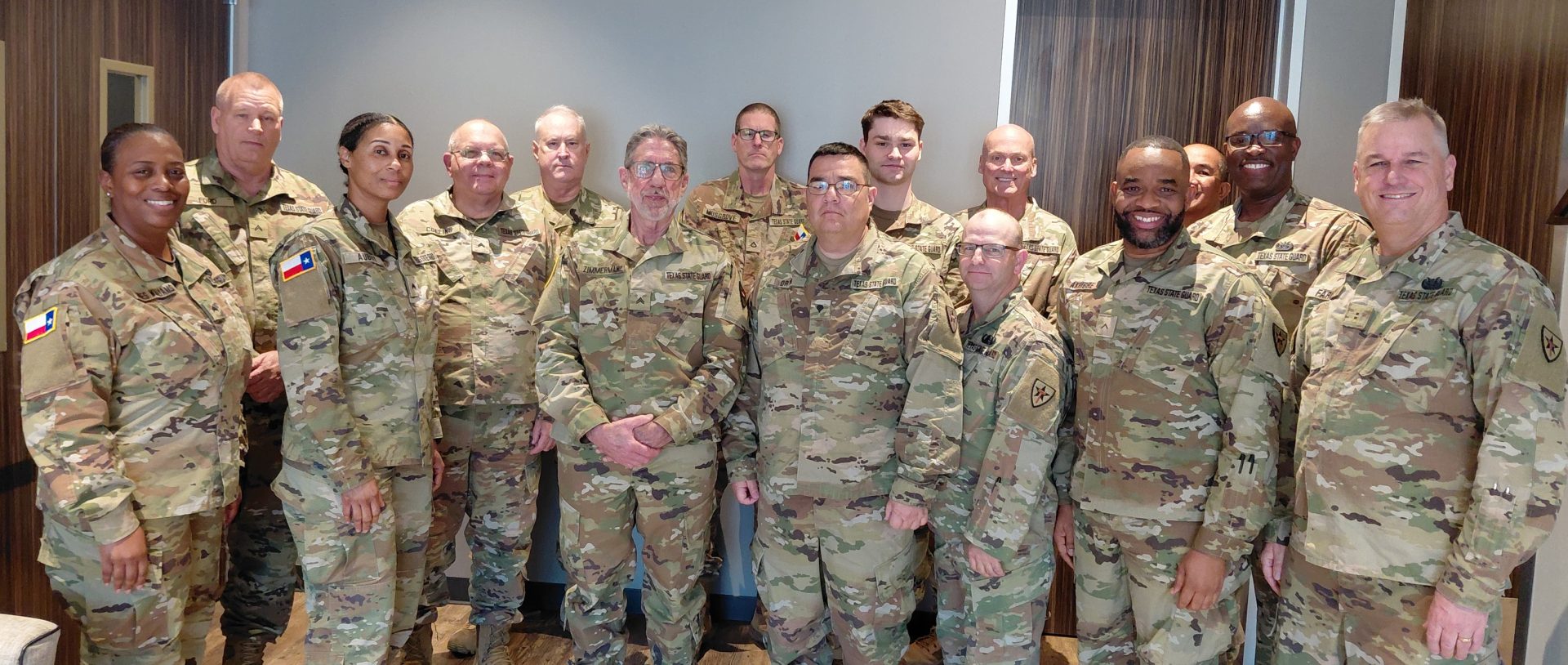
With the completion of the February drill, Texas now has additional certified 2nd Brigade soldiers fully qualified to operate the ETN system. Each newly trained Guardsman strengthens the state’s emergency response posture, ensuring that when the next disaster strikes, Texans will not only be evacuated, they will be accounted for, protected, and reassured that their families remain together and safe.
The Texas State Guard’s stewardship of the Emergency Tracking Network stands as an essential component of the broader Texas emergency management system. Through disciplined training and certification, the 2nd Brigade continues to reinforce a simple but profound promise to the people of Texas: in times of crisis, you will not be forgotten, and you will not be lost in the chaos.
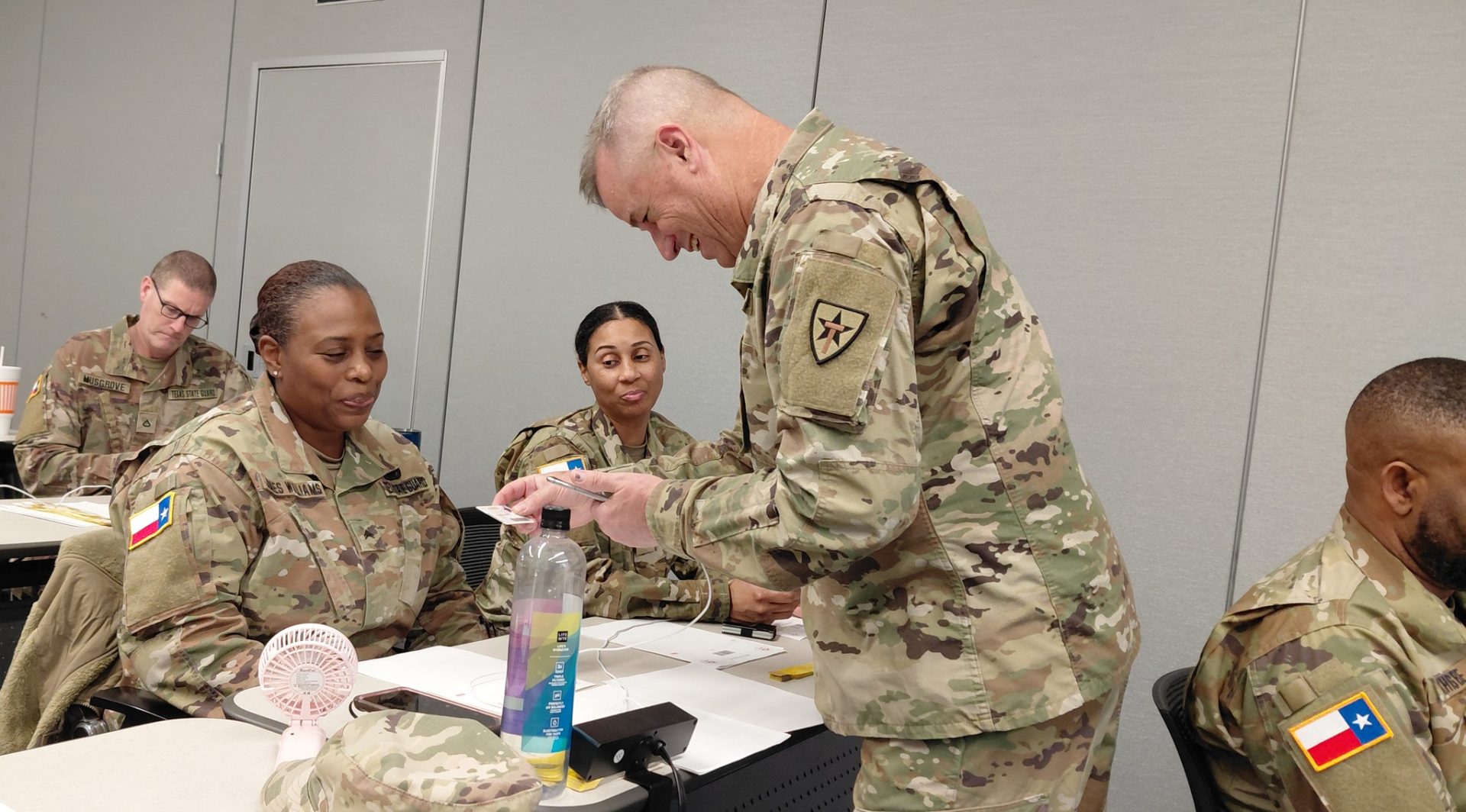
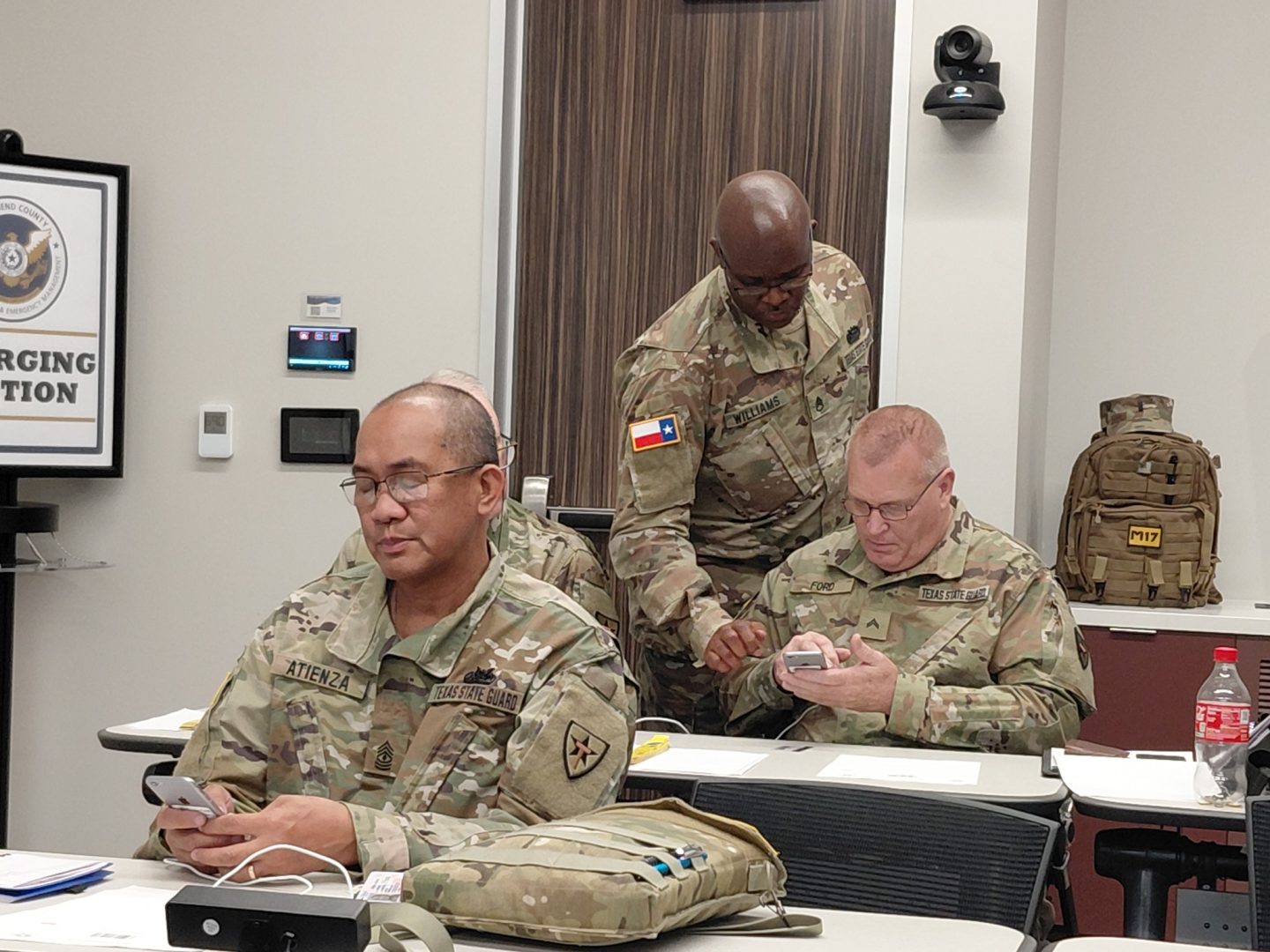
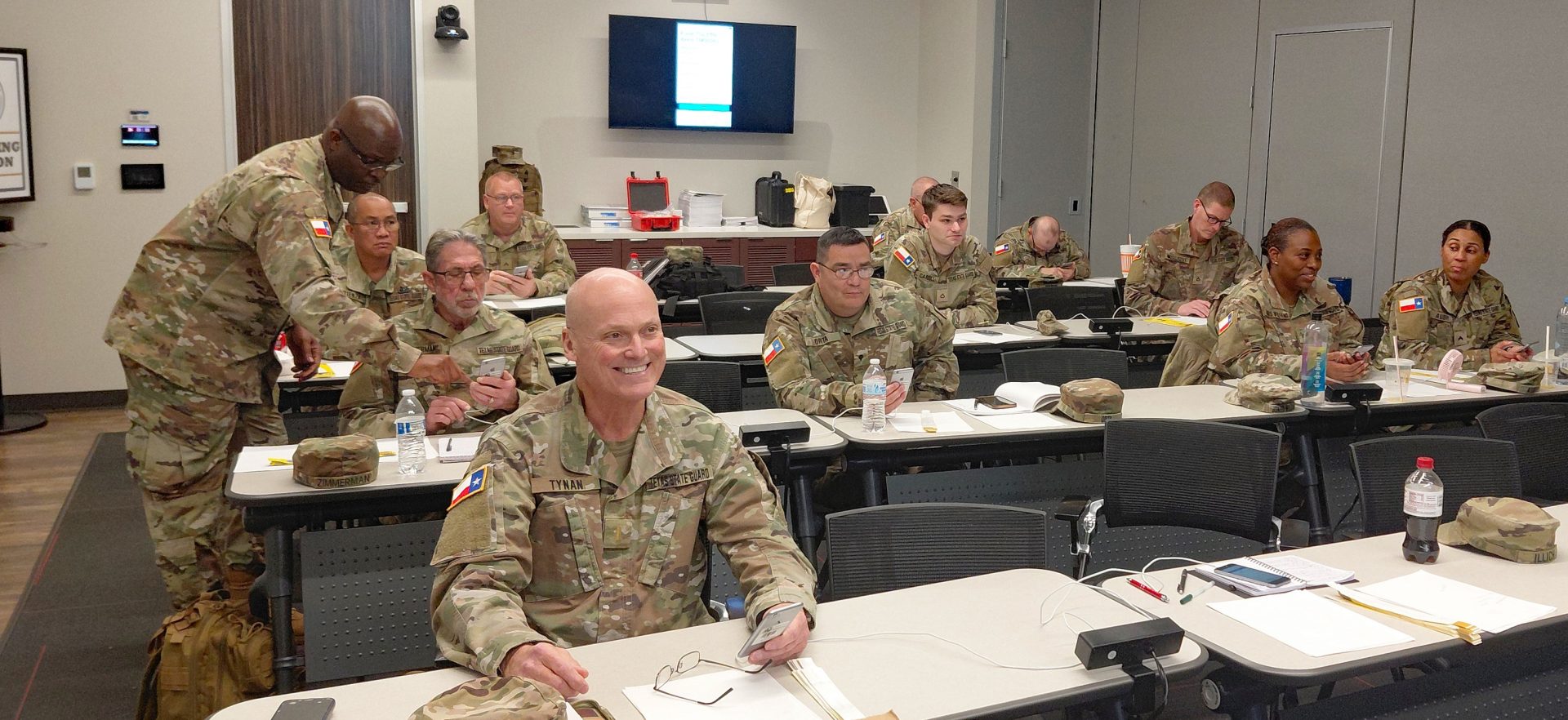
Chief Warrant Officer 2 Michael Farley, 2nd Brigade, Texas State Guard and Staff Sgt. Johnathan Williams, both Subject Matter Experts (SMEs) in the Texas Emergency Tracking Network (ETN), train, evaluate and certify 14 guardsmen from 2nd Brigade as ETN Operators, ready for deployment, at the Fort Bend County Emergency Operations Center (EOC), Feb. 7, 2026. ETN is a portable, app based system used during natural disasters and other emergencies to accurately and efficiently account for people, pets and assets during an evacuation from an at risk area to a shelter so that authorities have real time information on the disaster response to ensure people are taken to safety. After the disaster, during recovery, ETN facilitates the safe, orderly return of people to their communities. Well done all! 2nd Brigade is “Ad Omnia Parati” (Ready for Anything!) (Texas State Guard photos by Chief Warrant Officer 2 Gregory Illich)
Source: Texas State Guard