
As units of Texas State Guard (State Defense Force) prepare across the state for their upcoming annual training cycles, formations are placing renewed emphasis on the fundamentals that ensure mission success. Among these, communication remains one of the most critical capabilities any military or emergency response force can possess. In preparation for this prolonged training period, the 1st Brigade dedicated its February drill to a comprehensive communications exercise designed to test, refine, and strengthen its ability to operate under real-world conditions.
Effective communication is the backbone of any emergency response, especially during natural disasters such as hurricanes, floods, wildfires, or severe winter storms that frequently impact Texas. When communication systems fail or become degraded, the consequences can be severe. Coordination between military units, state agencies, and federal relief organizations can break down, delaying critical response efforts. First responders may be unable to locate or assist citizens in life threatening situations, logistics chains can stall, and leadership may lose situational awareness of unfolding events. In these moments, the difference between a successful operation and a catastrophic failure often comes down to whether reliable communication networks remain intact.
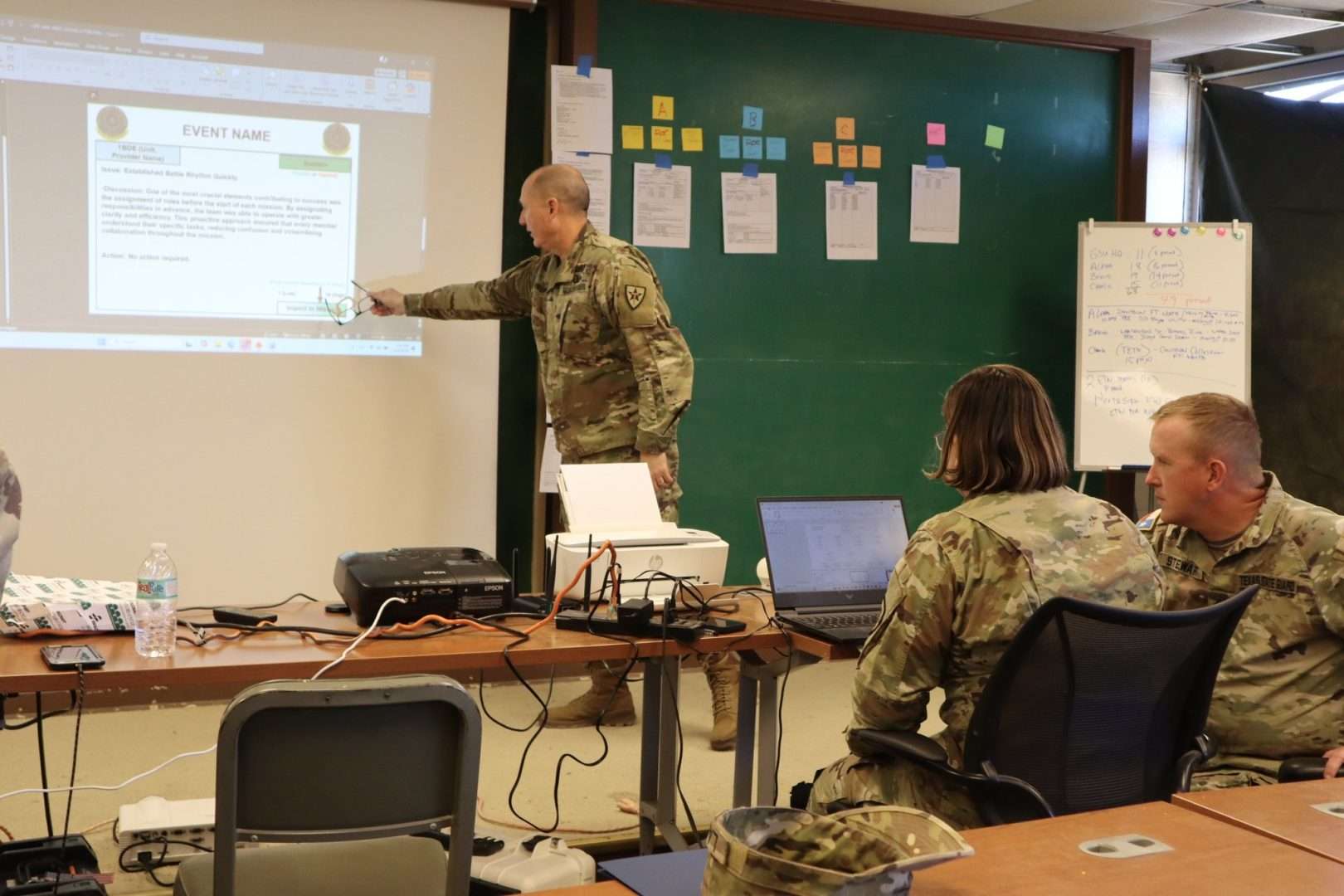
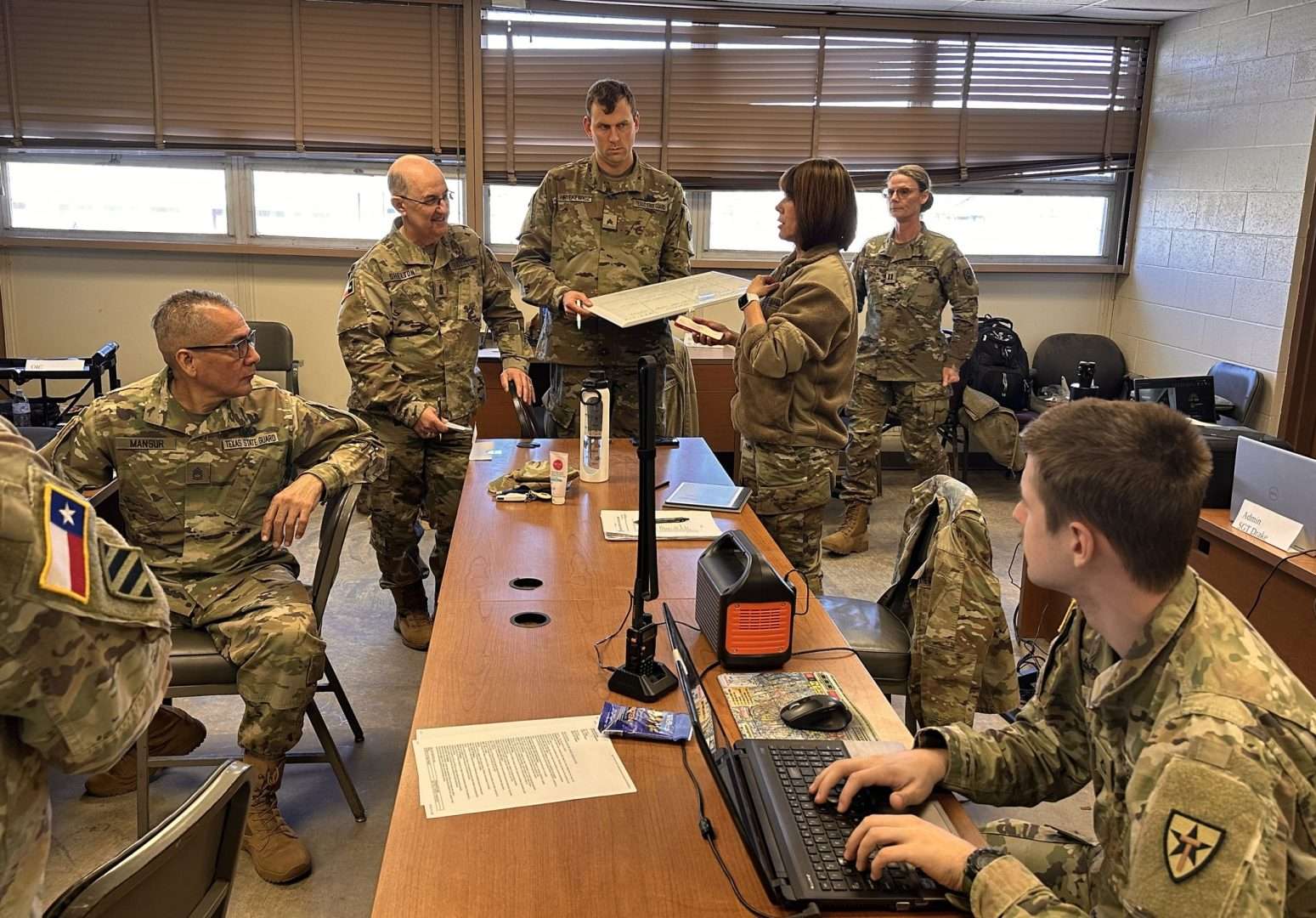
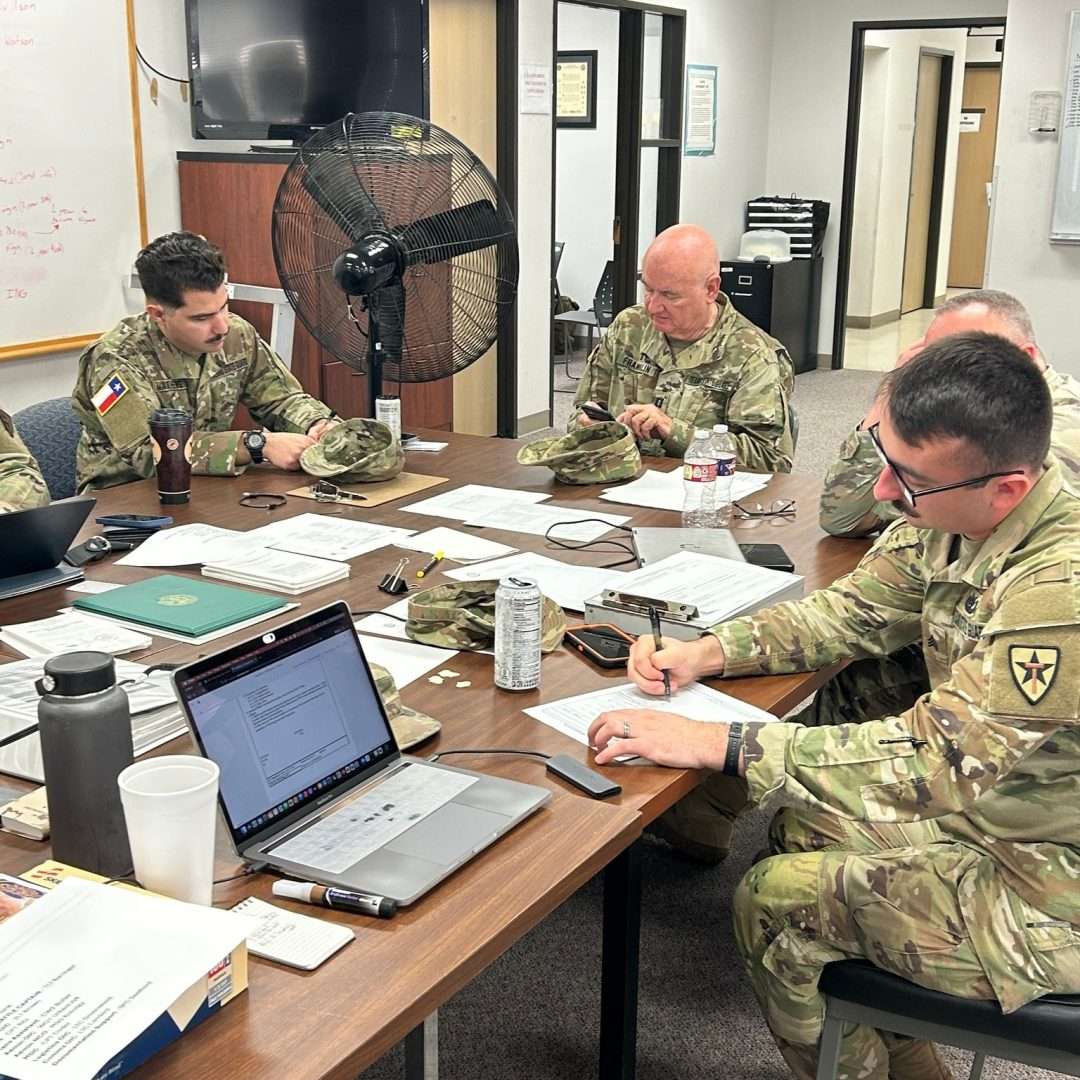
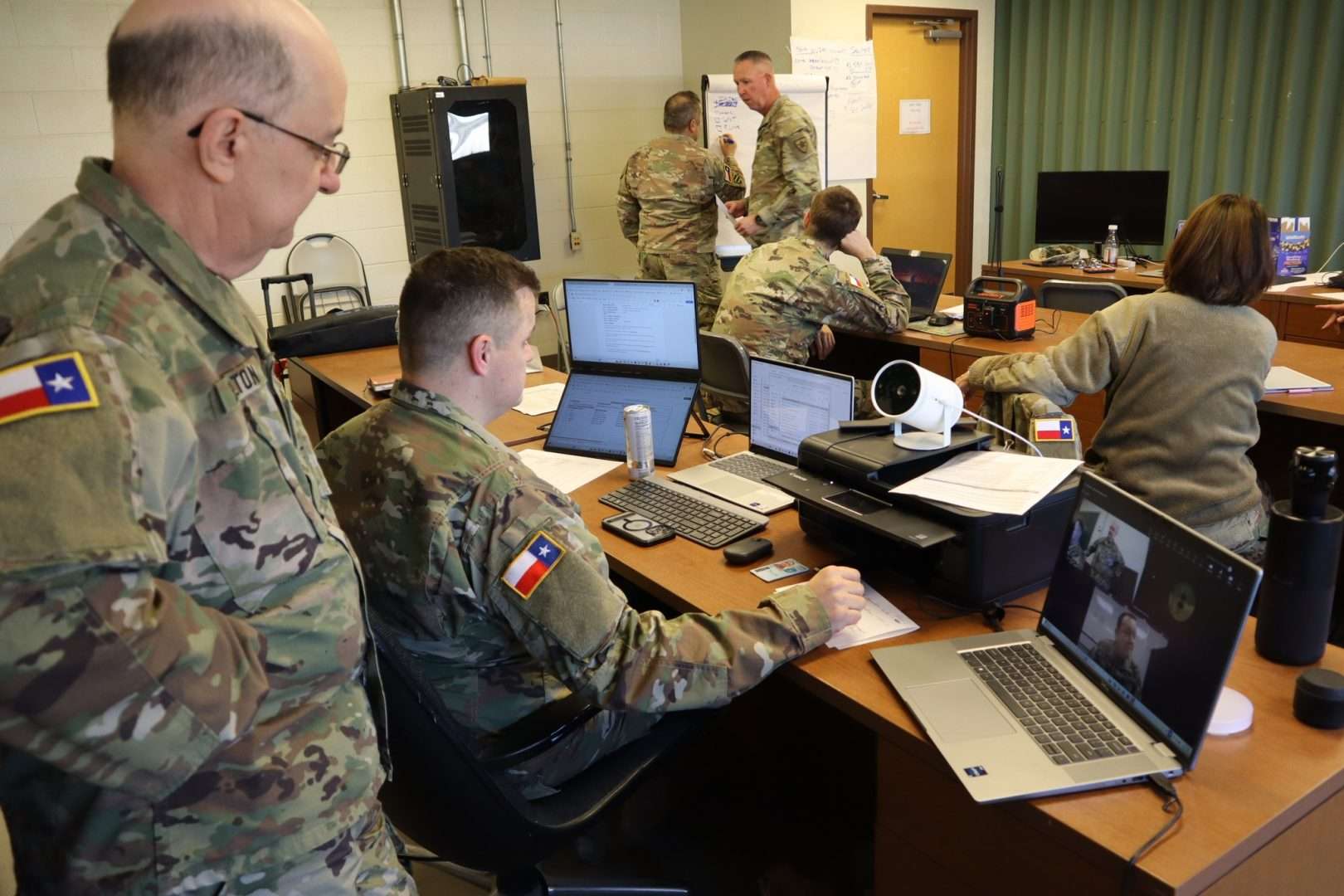
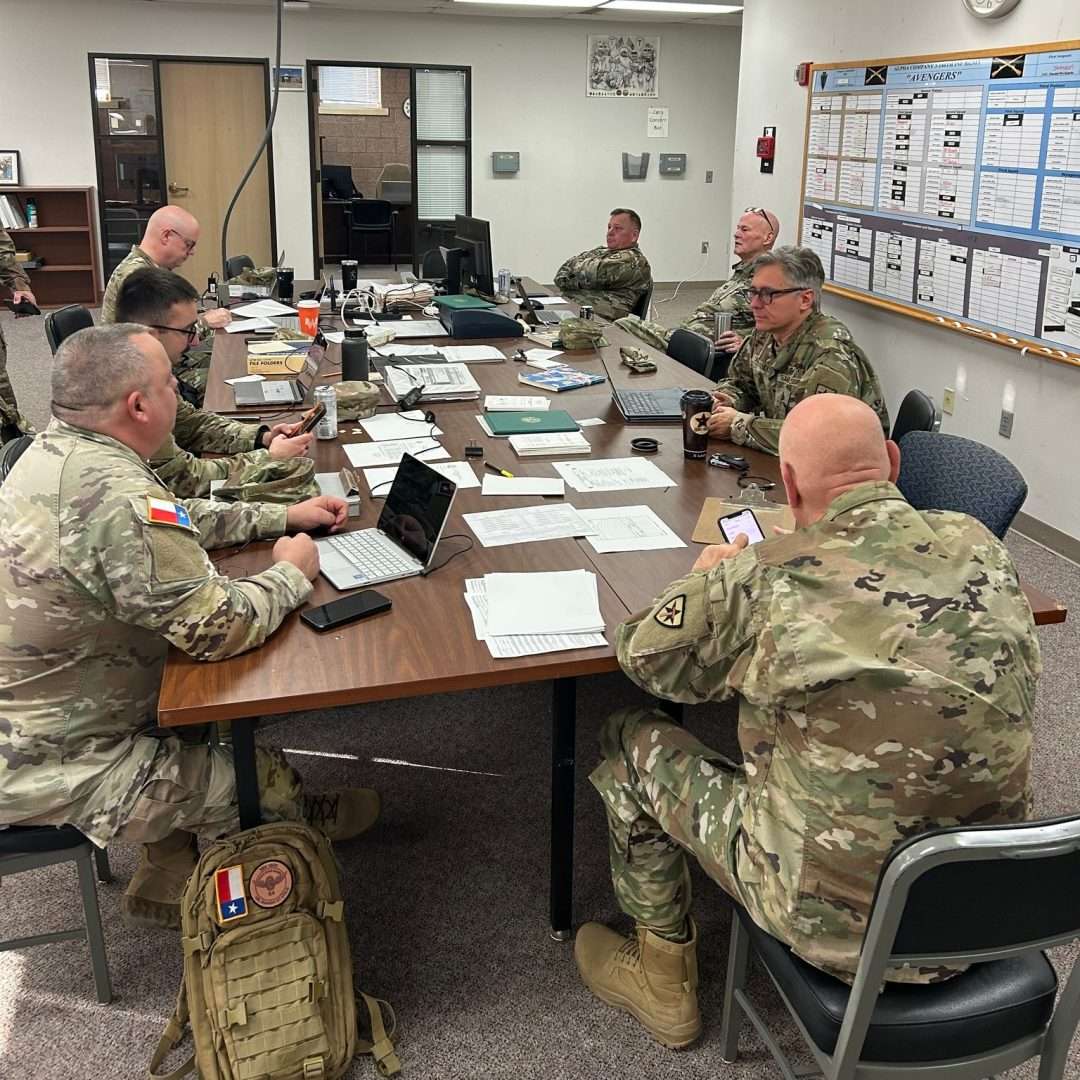
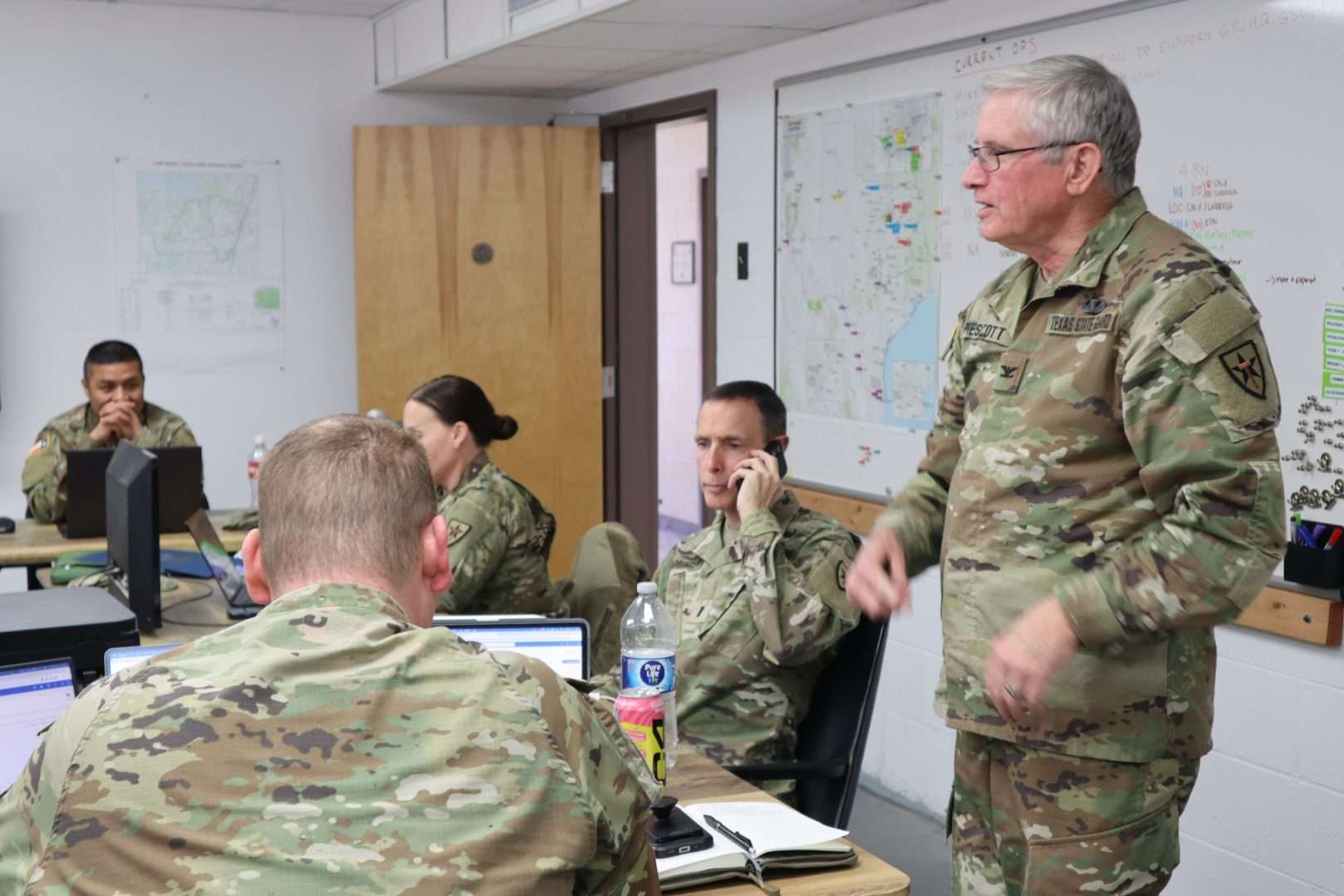
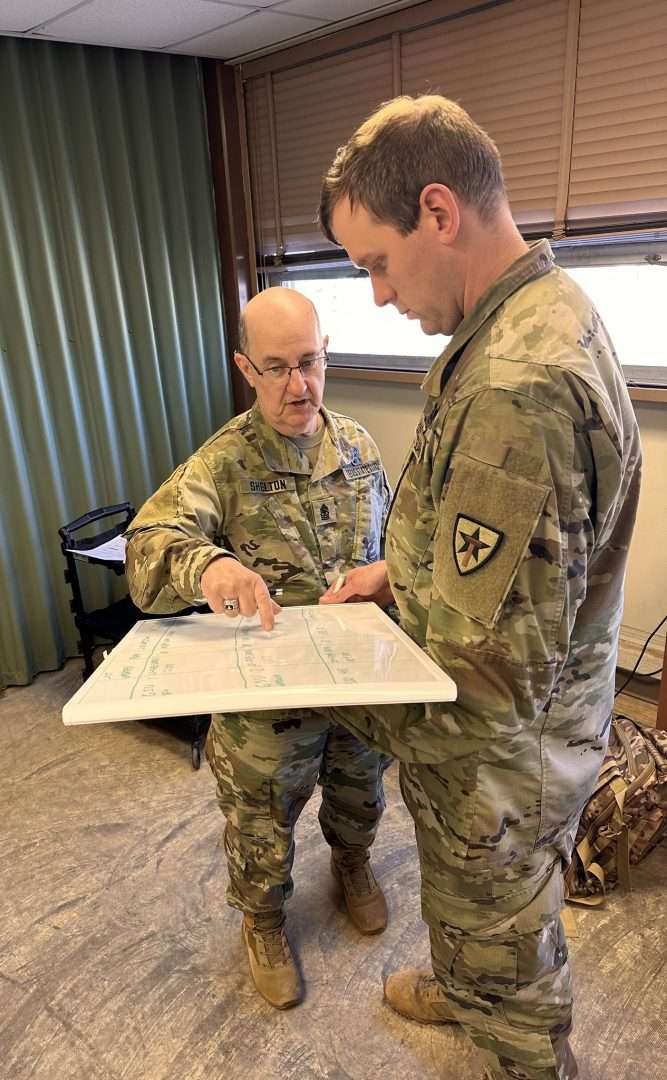
The Command Communication Exercise conducted on February 21 directly addressed these challenges as the 1st Brigade prepared for Annual Training. Spanning the entire brigade, the exercise brought together command leadership, officers, and senior enlisted personnel with a focused objective: to evaluate and strengthen communication roles under operational conditions. Particular attention was given to the proper use of reporting formats, Incident Command System reports, and required documentation that form the foundation of coordinated emergency response.
To replicate real-world operations, a Ground Support Unit headquarters was simulated while a Brigade Network Mission Command element was established at the brigade level. This structure mirrored how the brigade would function during an actual emergency, ensuring that personnel trained within a realistic command-and-control environment aligned with Incident Command System principles. The exercise was further enhanced through dynamic and challenging scenarios developed by Captain Stephen W. Coder, who served in dual roles as 4th Battalion Executive Officer and Military District Coordinator. These scenarios included a commander’s medical emergency, unit transfers between battalions, and the coordination of shelter support operations.
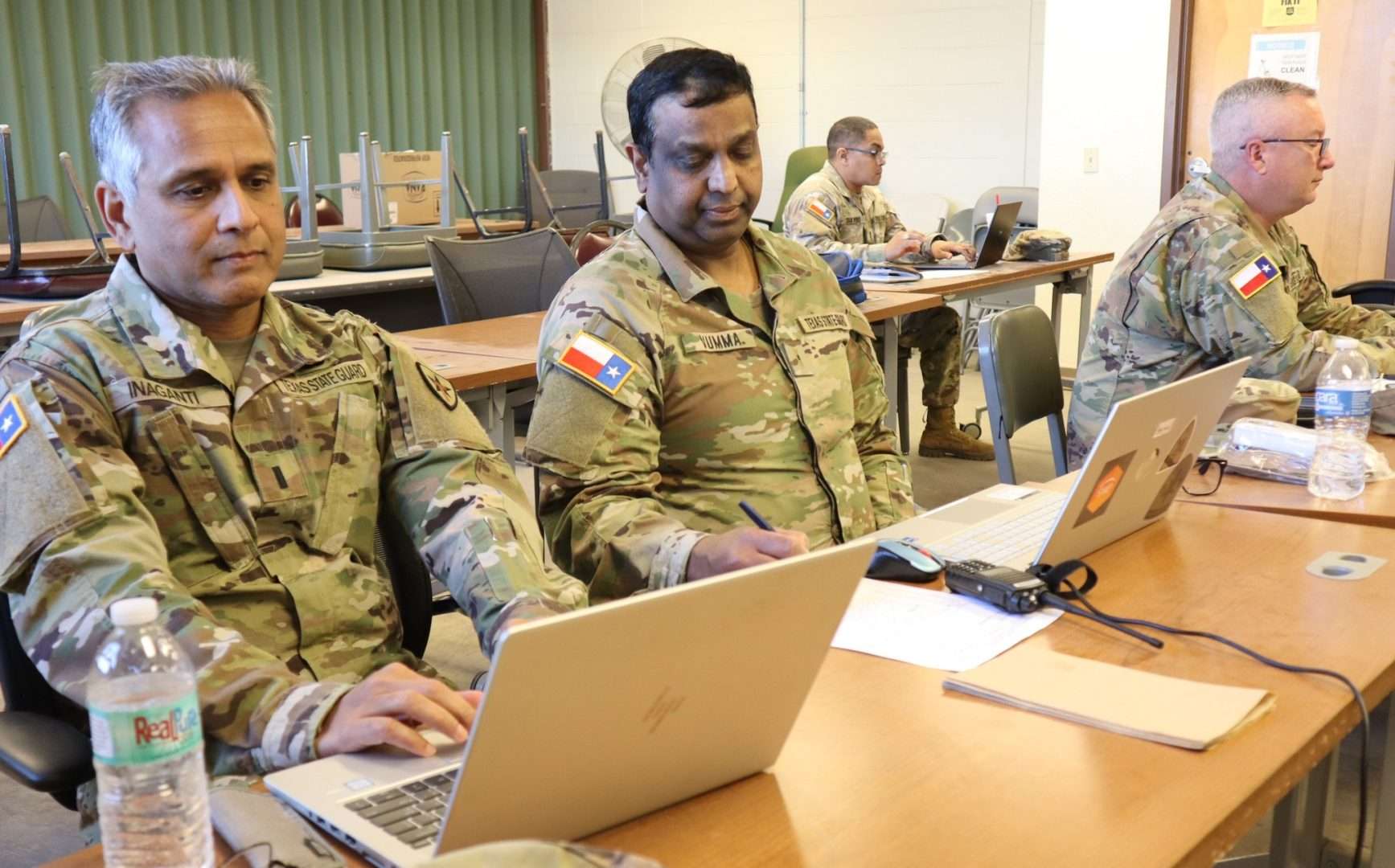
Subordinate elements were required to organize into Ground Support Units, execute assigned missions, and maintain strict personnel accountability throughout the exercise. Observers evaluated performance to ensure standards were met and to identify areas for improvement. A key focus remained on adherence to reporting timelines, including the submission of 9-line reports, personnel status updates, and Incident Command System requirements such as situation reports and resource tracking. These measures reinforced the importance of timely, accurate, and standardized communication flowing both up and down the chain of command.
The results of the exercise demonstrated significant progress in communication discipline, staff coordination, and accountability procedures. More importantly, it validated the 1st Brigade’s ability to operate effectively within both military and Incident Command System frameworks under realistic and rapidly changing conditions. This type of training ensures that when called upon, the brigade can seamlessly integrate with other elements of the Texas State Military as well as local, state, and federal response agencies.
Across the nation, one of the key missions of State Defense Forces is to ensure that communications remain active under any circumstances. When primary systems fail, whether due to infrastructure damage, natural disasters, or other disruptions, these forces are equipped with specialized communication platforms that allow Governors, State Military leadership, and emergency agencies to maintain command and control across vast distances. They serve as a critical redundancy, ensuring continuity of operations when it matters most.
In today’s evolving threat environment, this mission has become even more vital. As global tensions continue, including ongoing conflicts in the Middle East, there has been a documented increase in cyberattacks targeting government systems and critical infrastructure. These attacks have the potential to disrupt communications on a wide scale. In such scenarios, having a resilient and redundant communication capability is not just important, it is essential. The Texas State Guard, through exercises like this, continues to ensure it stands ready as a reliable backbone of communication, capable of supporting the state in times of crisis when every second counts.
News like this are made possible by our Patreon members, join today so we can develop more news items like this.
Thank You To Our Patreon Members
| GENERAL | COLONELS | SERGEANT MAJORS | SERGEANTS | CORPORALS | PRIVATES |
| Dustin Colegrove | COLONEL C. McADAMS, Sr. | Andre N Coulombe | Michael Chiesa | Alex Walker-Griffin | Bernadette Ramirez |
| Colonel Philip Smith | Christopher Burt | Tom Jackson | Beverly Shepard | John Fauver | |
| Dan Sebby | Hayden | Alexander Kosin | JEFF RICHTER | Kenneth Cook-Askins | |
| William Cooper | DJ Saunders | JC | Charles F. Reed, Jr., 1LT (MS) | ||
| Edward | Daniel E Meldazis | SonofCar | Andrew Raymond | ||
| Tim Cabalo | B. S. | Anthony Paduano | Travis Kalin | ||
| Julian Ungar-Sargon | COL (AK) John C James | Chris | LTC Brian J. Smith, NYG (R) | ||
| Daniel Meldazis | Fernando Martinez | Joseph Walsh | |||
| Sheryl Bishop | Phillip Gordon Ryman | Levi Stephens | |||
| Michael Ritchie | Heval | SRS | |||
| Mike Gibson | John Twitty | Robert Greene | |||
| Carlos Ocasio | Jeff Sams | ||||
| Evan | Tom Rogers | ||||
| Justin | Iggi Mincus | ||||
| James Paris | Gerald Burnett | ||||
| ferg | Arthur Helms | ||||
| Rebekah phillips | MoNobody | ||||
| Daniel Newell | Russell Griffin | ||||
| COL John Goodnight, CSMR, Ret. | Michael Mcelrath | ||||
| Kenyon | Father Ernest Buchanan | ||||
| Ivansie | Ian Arvizo | ||||
| Josh Copeland | Will Bardwell | ||||
| John Goodnight | Craig Collins-Young | ||||
| DeeDee | Kf Schmi | ||||
| Eric | Kathryn Gonzales | ||||
| Buckwalter | Tony | ||||
| Stephen Barusso | |||||
| Matthew Eng | |||||
| Alex Bebb | |||||
| Wadie Williams (COL, TX, Ret) | |||||
| 2LT James Jackson | |||||
| William Kiel | |||||
| C.J. Nagle | |||||
| Mike Nguyen | |||||
| Gary | |||||
| Kevin Spatz | |||||
| Cary | |||||
| Heinrich Warncke | |||||
| Abby Horn | |||||
| Christopher Hannaford | |||||
| Jacob Gutierrez | |||||
| Stephen Green | |||||
| SPC Andino | |||||
| Tre | |||||
| Mark Jeffrey | |||||
| William Taylor | |||||
| bob kissel | |||||
The Command Communication Exercise, conducted on February 21, is effectively achieving its intended purpose as the 1st Brigade, Texas State Guard prepares for Annual Training (AT). Spanning across the brigade, command leadership, officers and senior enlisted, the primary focus of this exercise was to evaluate and strengthen communication roles, including the proper use of reporting formats, Incident Command System (ICS) reports, and required forms under operational conditions.
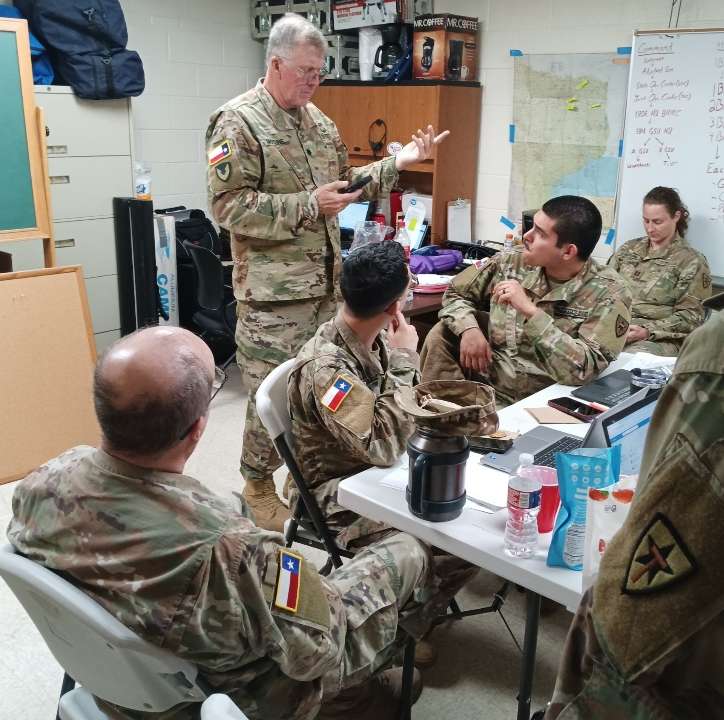
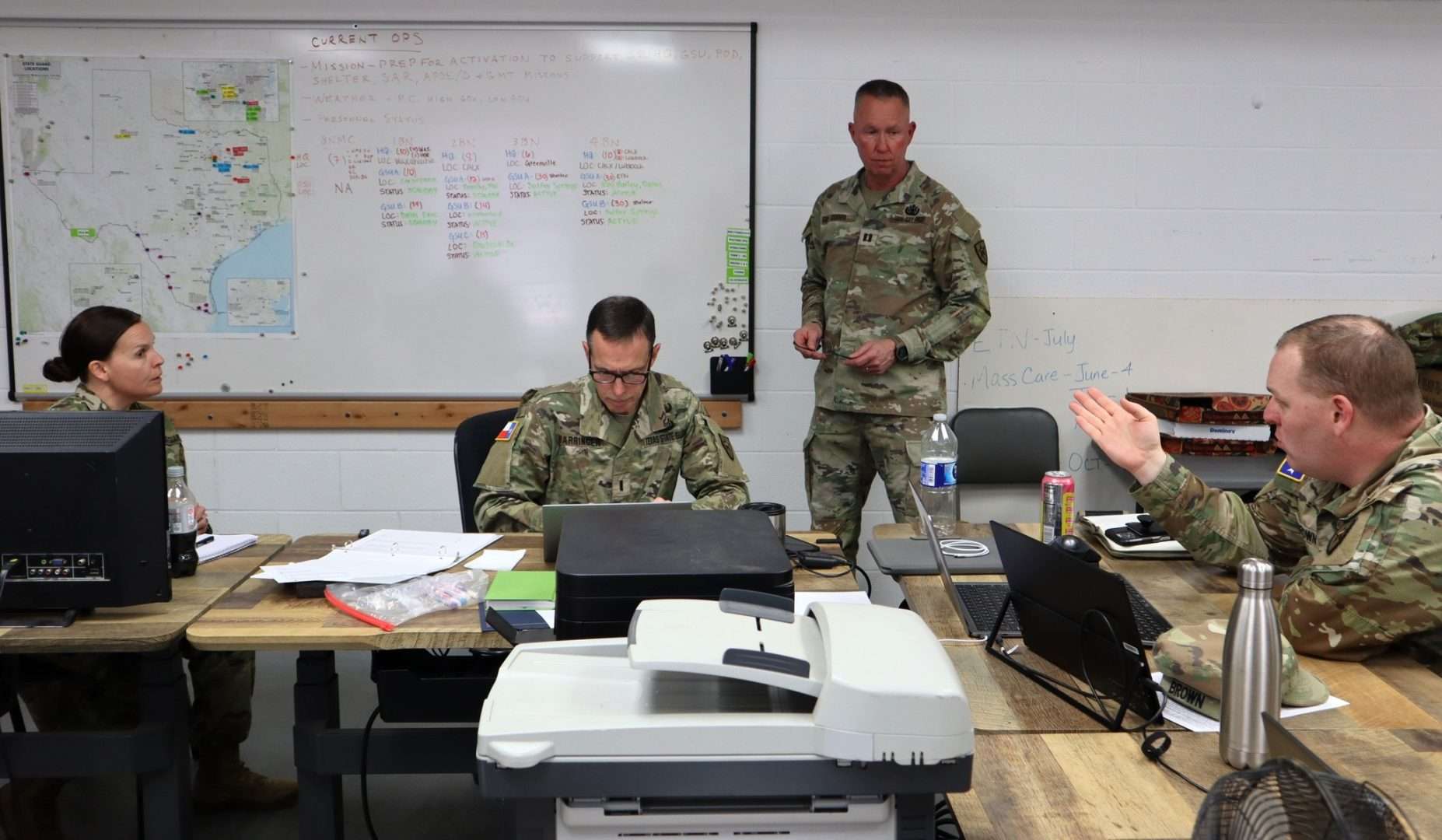
During the exercise, a Ground Support Unit (GSU) headquarters was simulated, along with the establishment of a Brigade Network Mission Command (BNMC) at the brigade level using the brigade staff. This setup reflects how the brigade would operate during a real-world mission, ensuring personnel are training in a realistic command-and-control environment aligned with ICS principles. Capt. Stephen W. Coder, who simultaneously served as 4th Battalion Executive Officer and Military District Coordinator, provided realistic scenarios including a commander’s medical emergency, unit transfers between battalions, and shelter support.
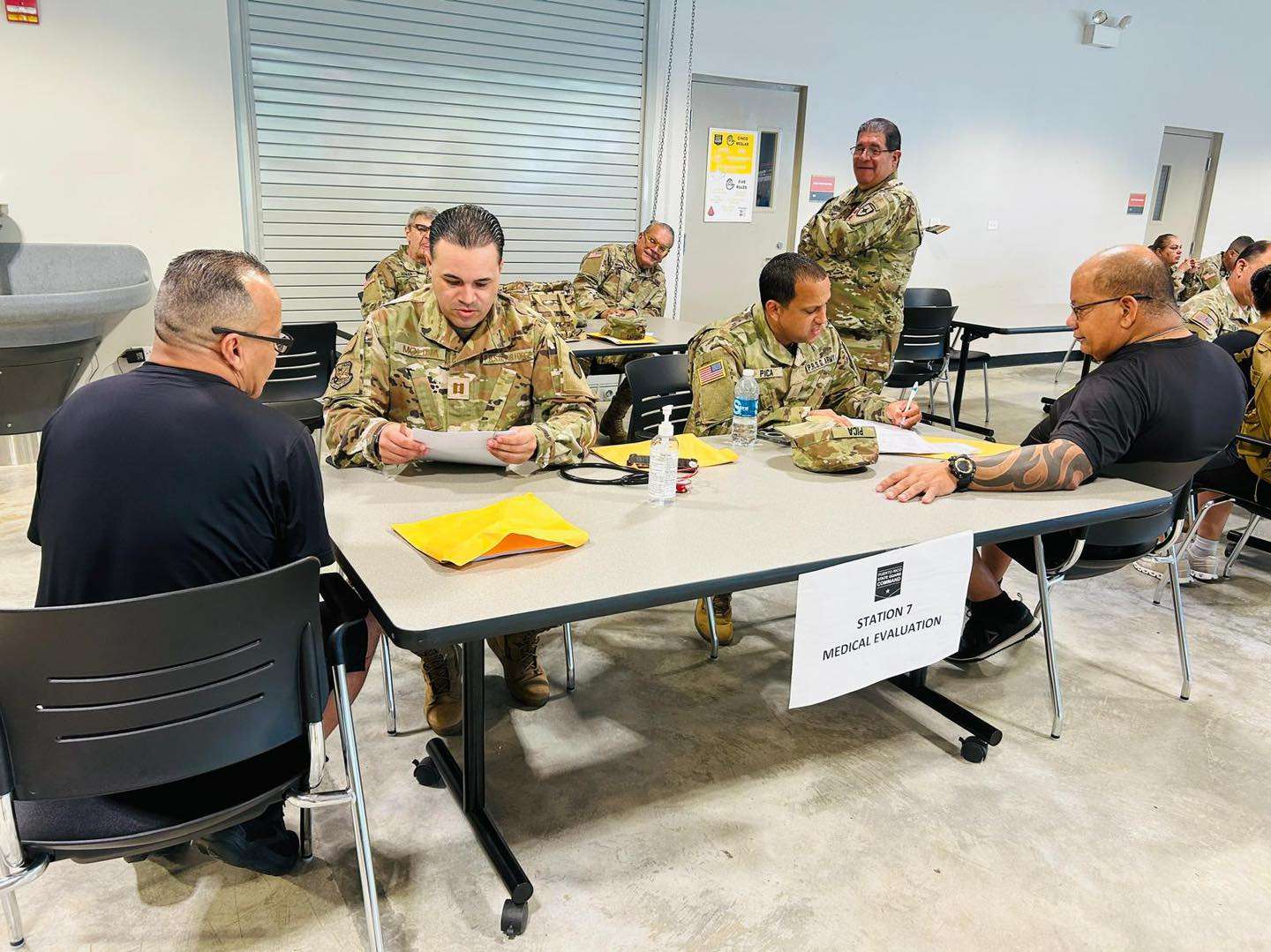
Subordinate elements were required to organize into GSUs, execute simulated tasks, and maintain personnel accountability. TXSG honorary reservists observed and evaluated the exercise. The exercise emphasized strict adherence to reporting timelines, including deadlines for 9-line reports, personnel status (PERSTAT) updates, and Incident Command System (ICS) requirements such as situation reports and resource tracking. This reinforced the importance of timely, accurate, and standardized communication across the chain of command. Documentation was properly transmitted in both directions, reinforcing protocol compliance and ensuring continuity of operations.
Overall, the exercise is enhancing the brigade’s communication discipline, improving staff coordination, reinforcing accountability procedures, and validating the 1st Brigade’s ability to operate effectively within both military and ICS frameworks under realistic and dynamic conditions. (Photos by 1Lt. Ivan Sierra, 1st Sgt. John Taguding, and Capt. Esperanza Meza)
Sources: Texas State Guard – Resecurity