
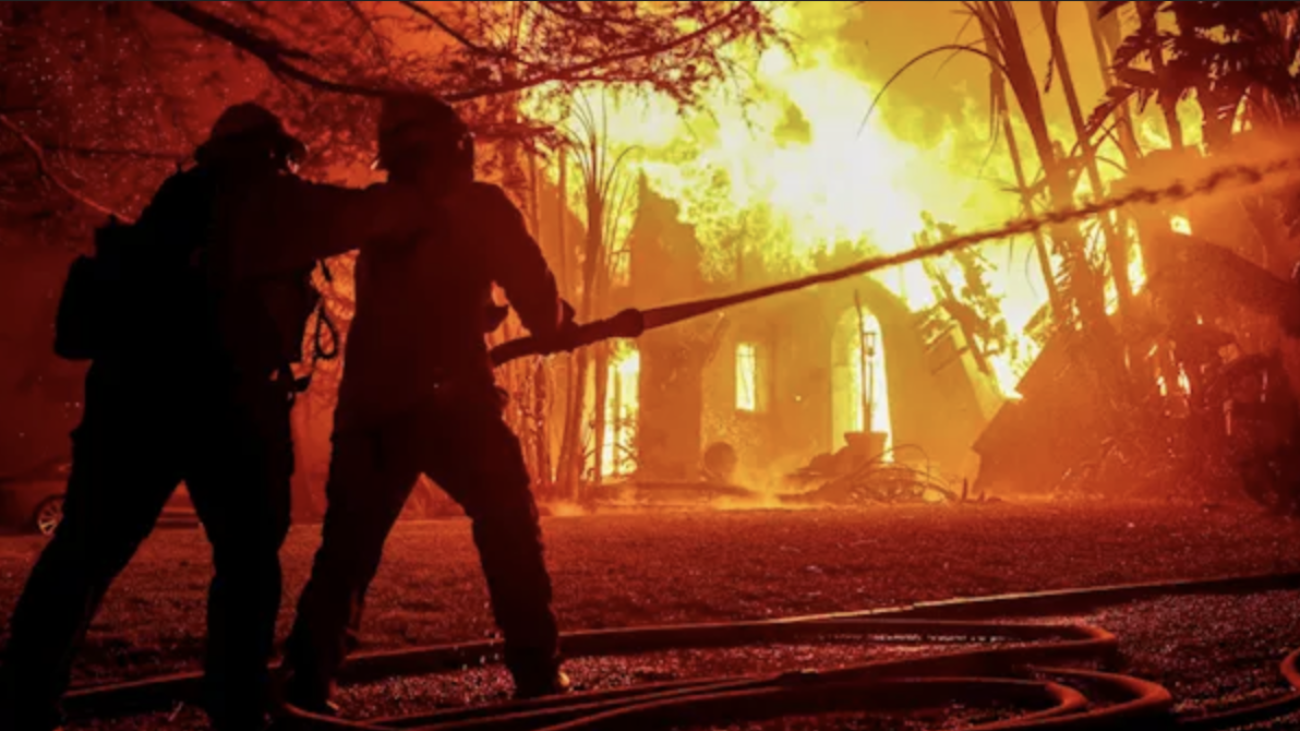
Across the United States, wildfires are becoming more frequent, larger, and more destructive, especially during periods of drought, high winds, and low humidity. These conditions have placed extraordinary strain on professional wildland firefighter resources, prompting State Defense Forces to step up as vital force multipliers supporting local and state firefighting efforts. In California, for example, the State Guard participates as part of Task Force Rattlesnake alongside the Texas Army National Guard, Air National Guard, CalFire, and CALFire (State Firefighters) deploying to wildfires across the state and aiding in suppression, containment, and public safety operations. This task force was imperative in fighting the vicious wildfires that affected large swaths of California last year, including many parts of Los Angles.
In Washington State, the State Guard also fields crews trained to contain and extinguish fires that could otherwise threaten people and property and have been called to duty and utilized numerous times in the past few years.
The evolving wildfire threat nationwide has encouraged other State Defense Forces to train for, or consider combating wildland fires to their mission sets, a trend that is increasingly vital as fire seasons intensify.
The 2026 Texas Wildfires: Conditions, Causes, and Impact
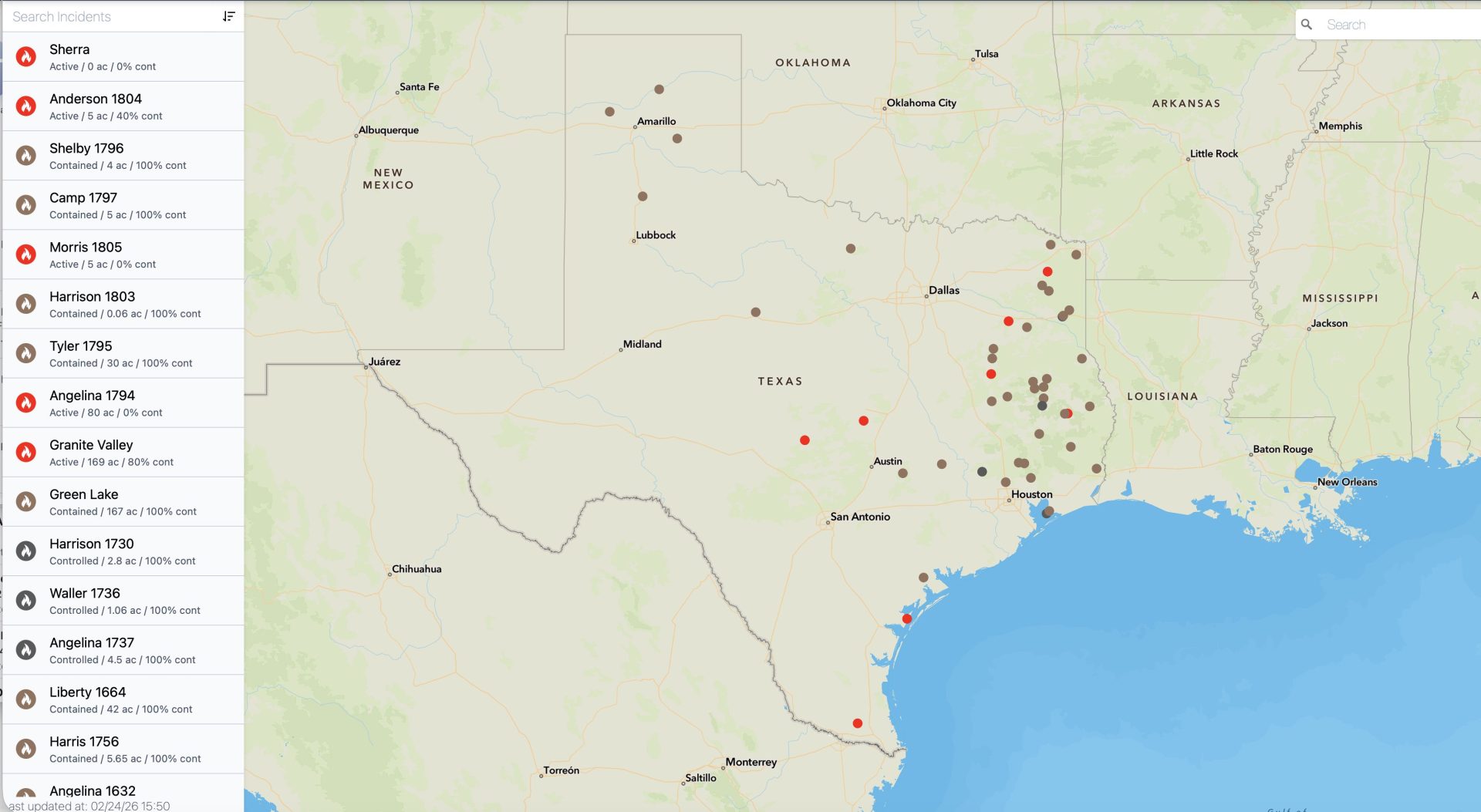
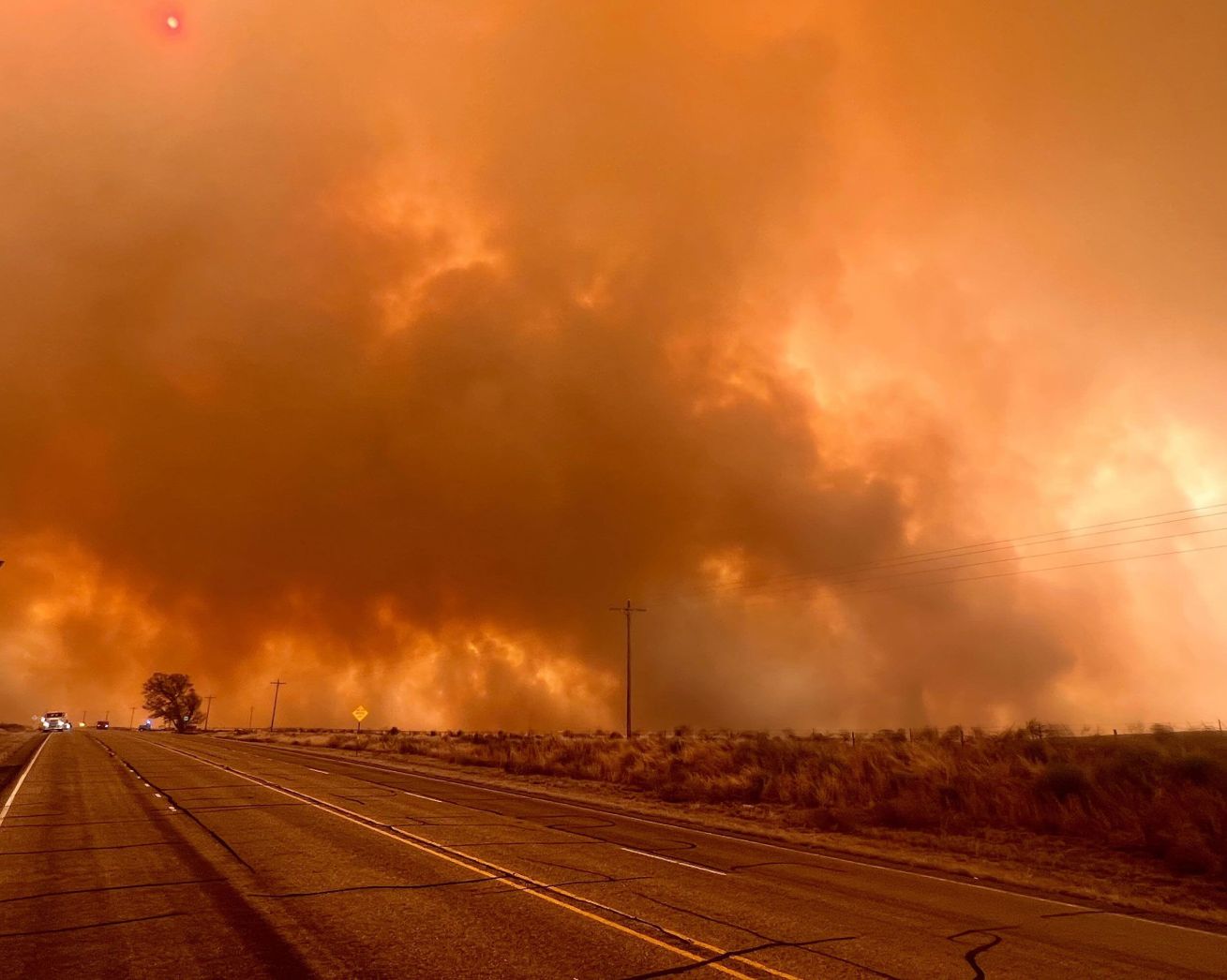
In February 2026, Texas has faced an active and dangerous wildfire season. A combination of dry vegetation, above-average temperatures, low humidity, and strong, gusty winds has created extremely critical fire weather conditions across much of the state, especially in the Texas Panhandle and surrounding regions. These conditions have been mapped and confirmed by the Texas Division of Emergency Management and Texas A&M Forest Service as part of the statewide wildfire response.
Among the largest and most impactful fires are:
- Lavender Fire, burning in Oldham County, this fire has scorched over 18,000 acres and demanded extensive suppression resources.
- 8 Ball Fire, which began in Armstrong County and spread into Donley County, has burned more than 13,000 acres, threatened infrastructure, and forced evacuations of roughly 400 homes while placing over 1,100 homes at risk. Federal assistance in the form of a Fire Management Assistance Grant (FMAG) was recently approved by FEMA to support containment operations.
Local and state fire agencies, including Texas A&M Forest Service and the Texas Intrastate Fire Mutual Aid System (TIFMAS), have responded to dozens of wildfires across the state already this month, cumulatively burning tens of thousands of acres and requiring aviation and ground support to keep communities safe.
These fires are part of a larger trend of early wildfire activity in Texas, which historically sees its wildfire season increase in February due to dry, windy conditions, conditions that often peak in March and April.
State Activation and Response
In response to the escalating threat, Governor Greg Abbott has taken multiple actions:
- Ordered the Texas State Emergency Operations Center to increase its readiness and operate at an escalated response level.
- Activated additional state wildfire response resources through the Texas Division of Emergency Management (TDEM), positioning personnel and equipment to support local officials and fire departments statewide.
- Secured federal assistance that reimburses the state for a significant portion of wildfire suppression costs.
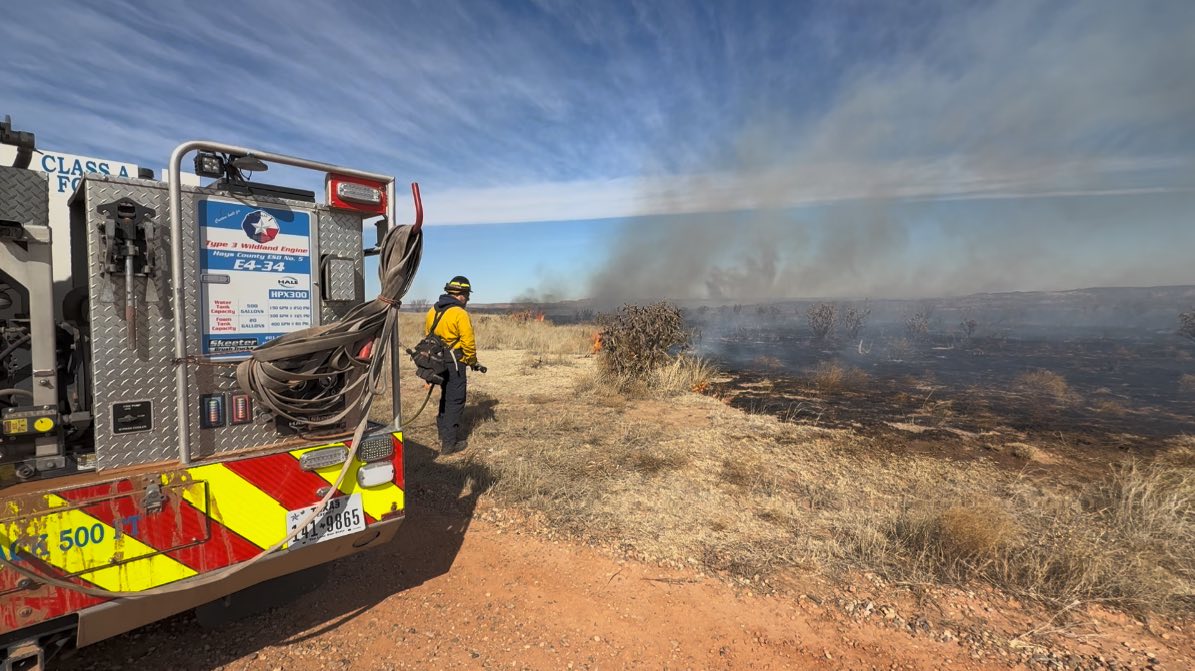
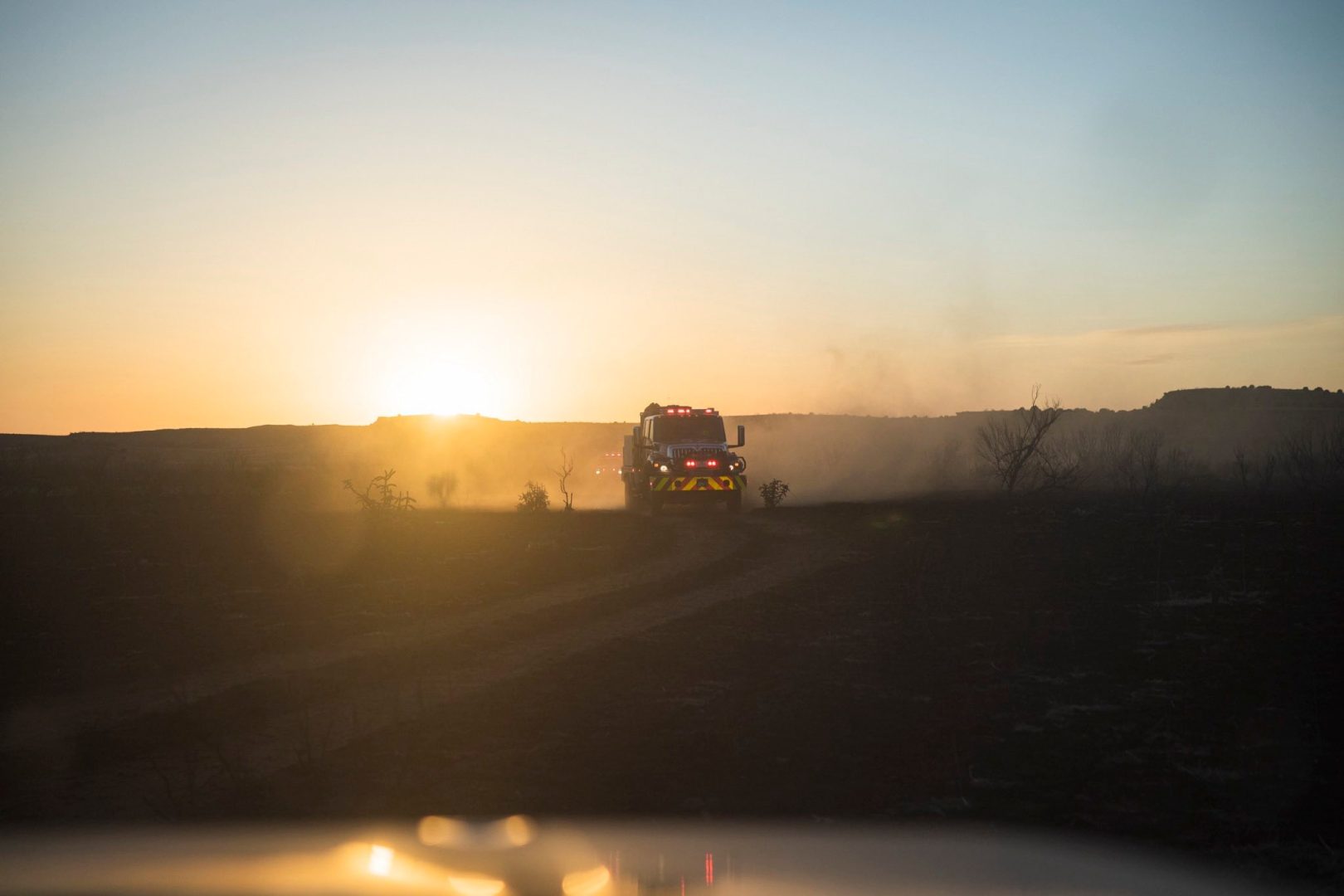
Texas A&M Forest Service personnel continue suppression and containment operations day and night, responding to new ignitions and supporting local fire departments across multiple regions.
Texas State Guard: Supporting Wildfire Operations
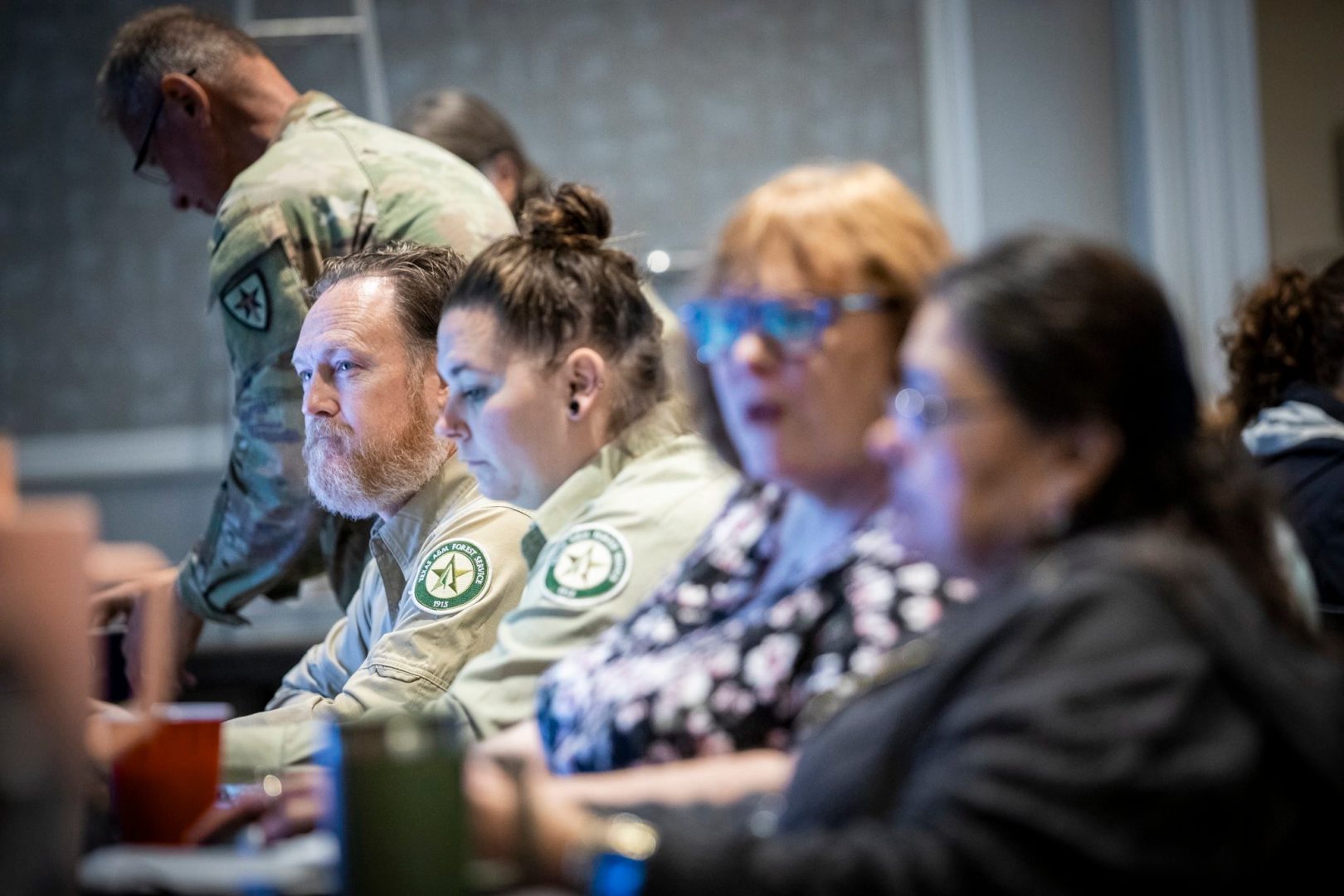
Amid this challenging wildfire environment, we have received reports that the Texas State Guard (State Defense Force – TXSG) has been activated in support of the statewide response. In communications with their Public Affairs Office, TXSG confirmed one of the missions they are performing:
“TXSG has deployed support personnel to the State Operations Center in support of wildfire operations at various locations across the state.”
This deployment underscores the capability of the State Guard to augment civilian and military emergency operations during major natural disasters. As the wildfire emergency continues, additional missions, whether logistics support, coordination, or field support, may still be assigned to the Texas State Guard in the coming days.
State Guards as a National Wildfire Resource
As firefighting demands grow, State Defense Forces in several states are adapting to fill critical gaps. In California, the State Guard’s inclusion in Task Force Rattlesnake has provided manpower and operational support on wildland fires across the state, working shoulder-to-shoulder with National Guard units and professional fire agencies. In Washington, State Guard crews have taken to the front lines to contain wildfires that threaten communities.
Other State Defense Forces are now either preparing similar training or evaluating how best to integrate wildland firefighting into their emergency response mission sets, recognizing that trained support personnel can make a significant difference when fires expand rapidly or when local resources are stretched thin.
Looking Ahead and Acknowledgments
The 2026 wildfire season in Texas is still unfolding, with fire weather conditions expected to persist. The combined efforts of state agencies, local fire departments, mutual aid partners, aviation resources, and support personnel are critical to keeping Texans safe and minimizing damage.
We thank all emergency responders, Texas National Guard soldiers and airmen, Texas State Guard members, and the many state agency personnel who continue working tirelessly to contain these wildfires and protect lives and property. Your dedication and service under difficult conditions are deeply appreciated.
Be safe. Stay informed. And support wildfire prevention efforts wherever possible.
* Once the emergency and missions start deescalating we will gain a better understanding of the scope of the emergency, what missions each agency and military branch participated in, so stayed tuned to StateDefenseForce.com. Once we get more information, photos or videos of The Texas State Guards role response we will post it here.
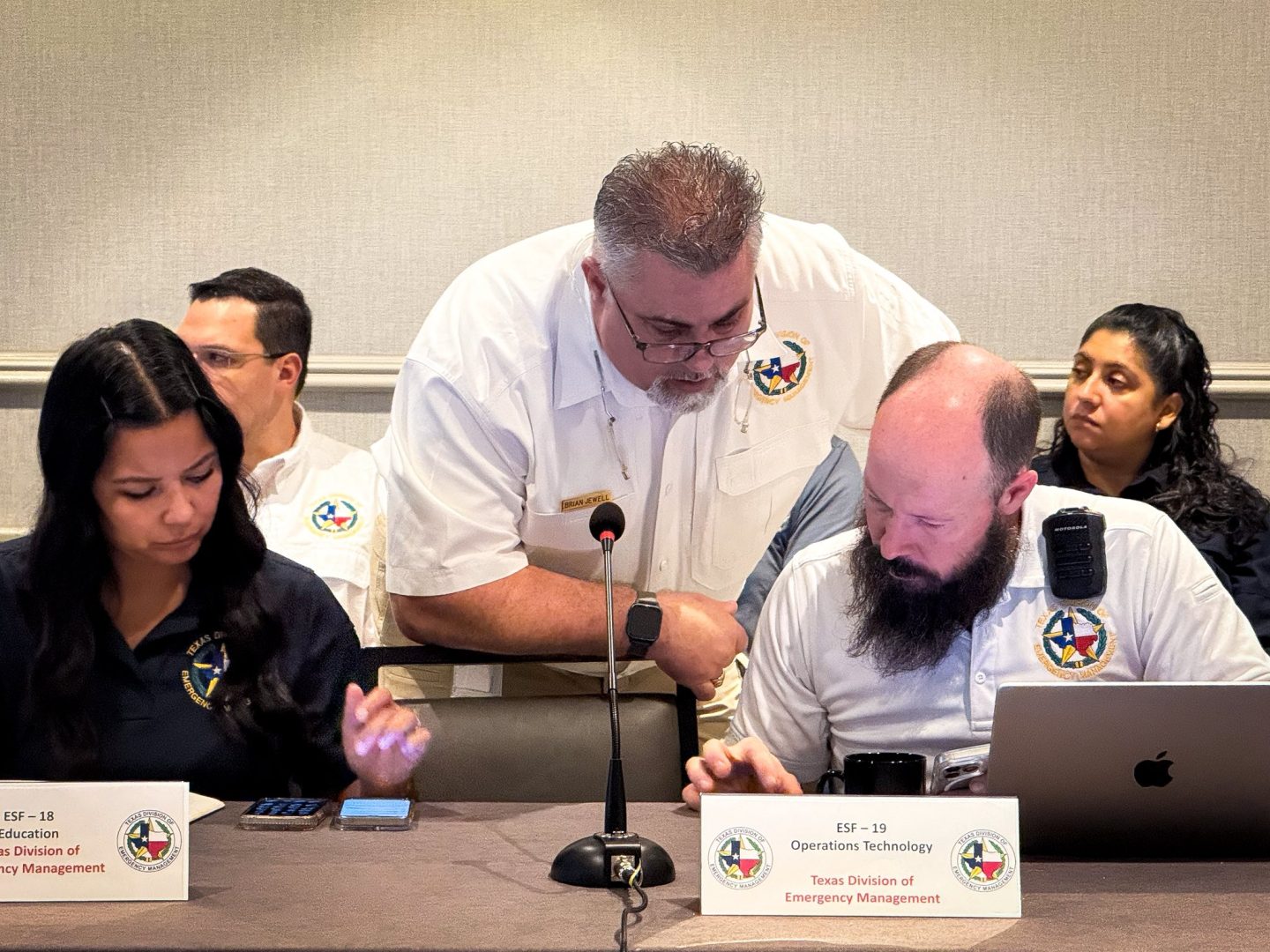
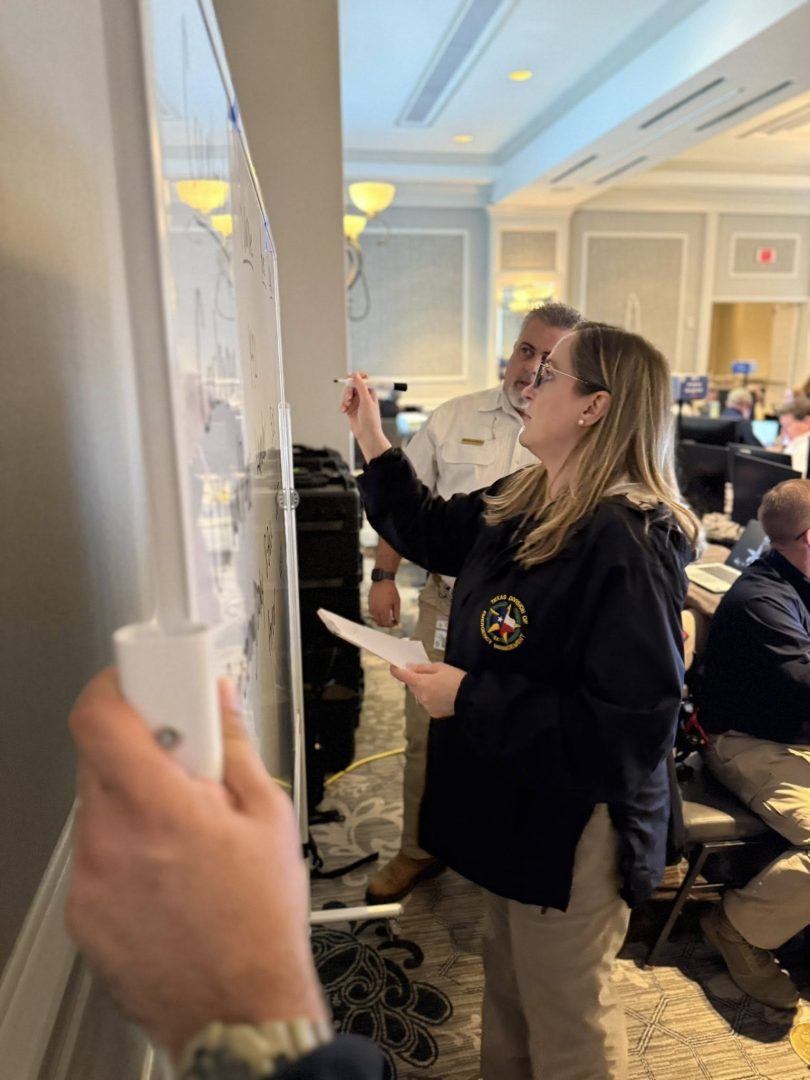
At Gov. Abbott’s direction, amid wildfire danger across portions of the state, TDEM has increased the readiness level of the Texas State Emergency Operations Center to Level II (Escalated Response) to support requests for assistance from local officials
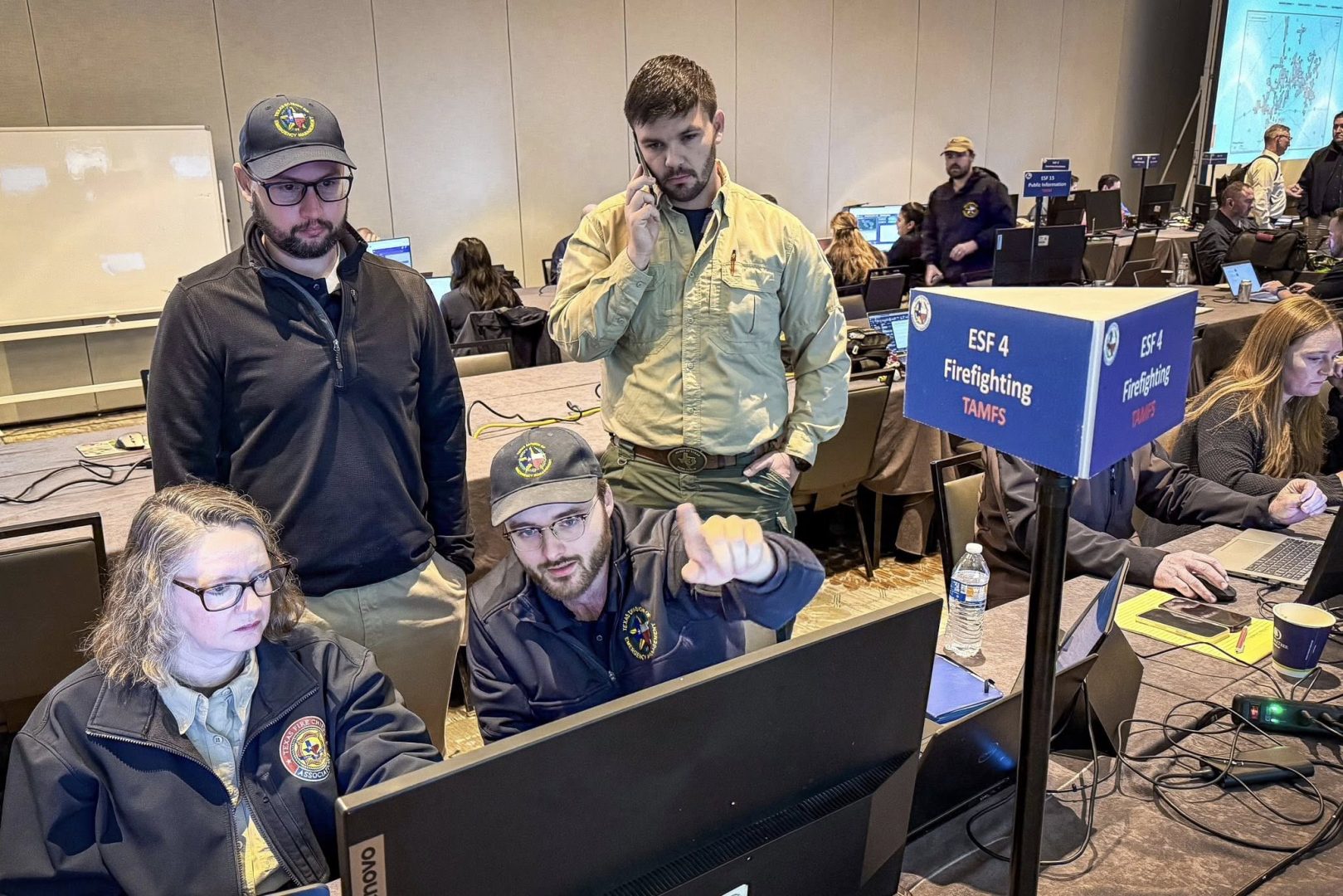
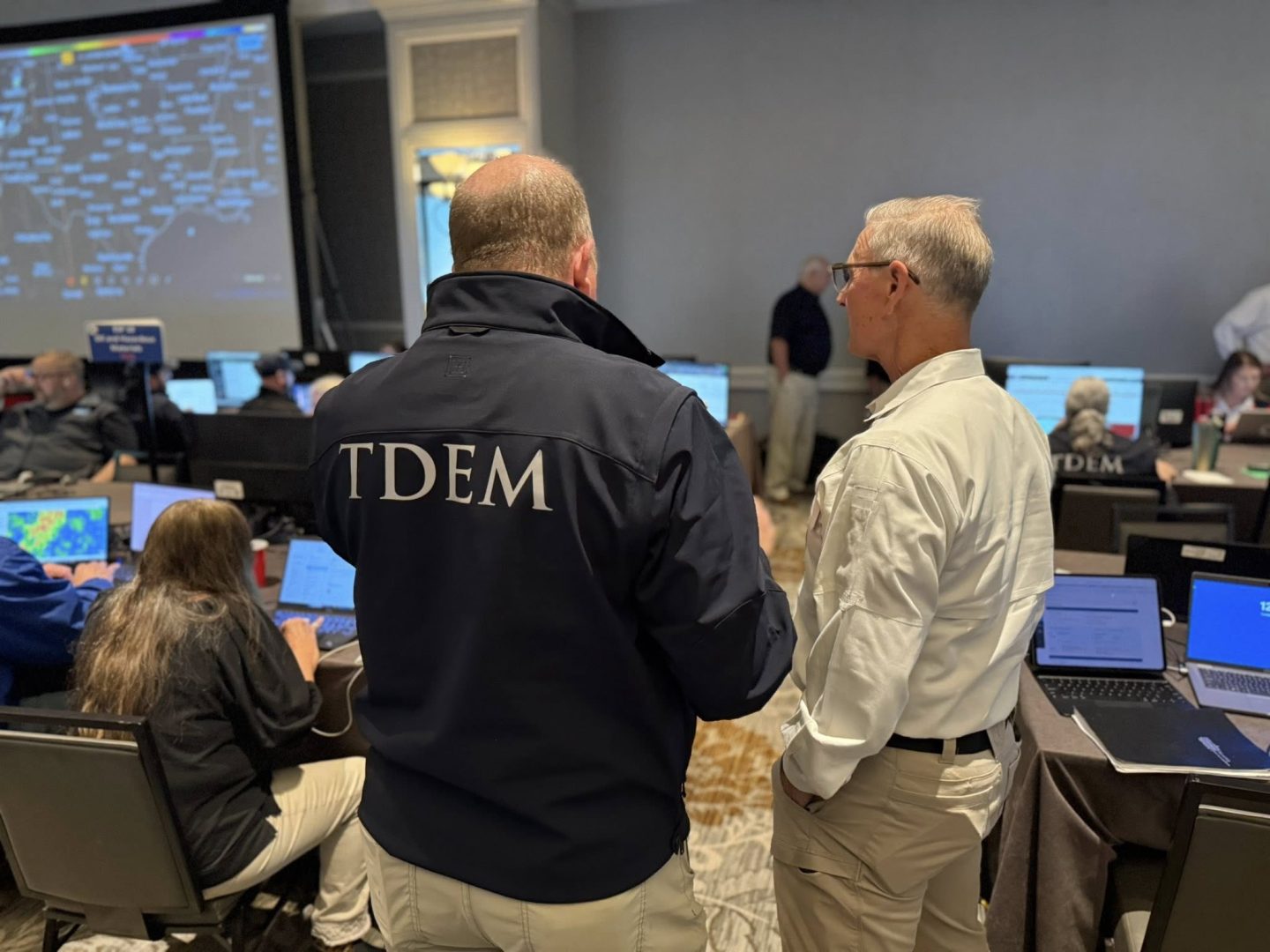
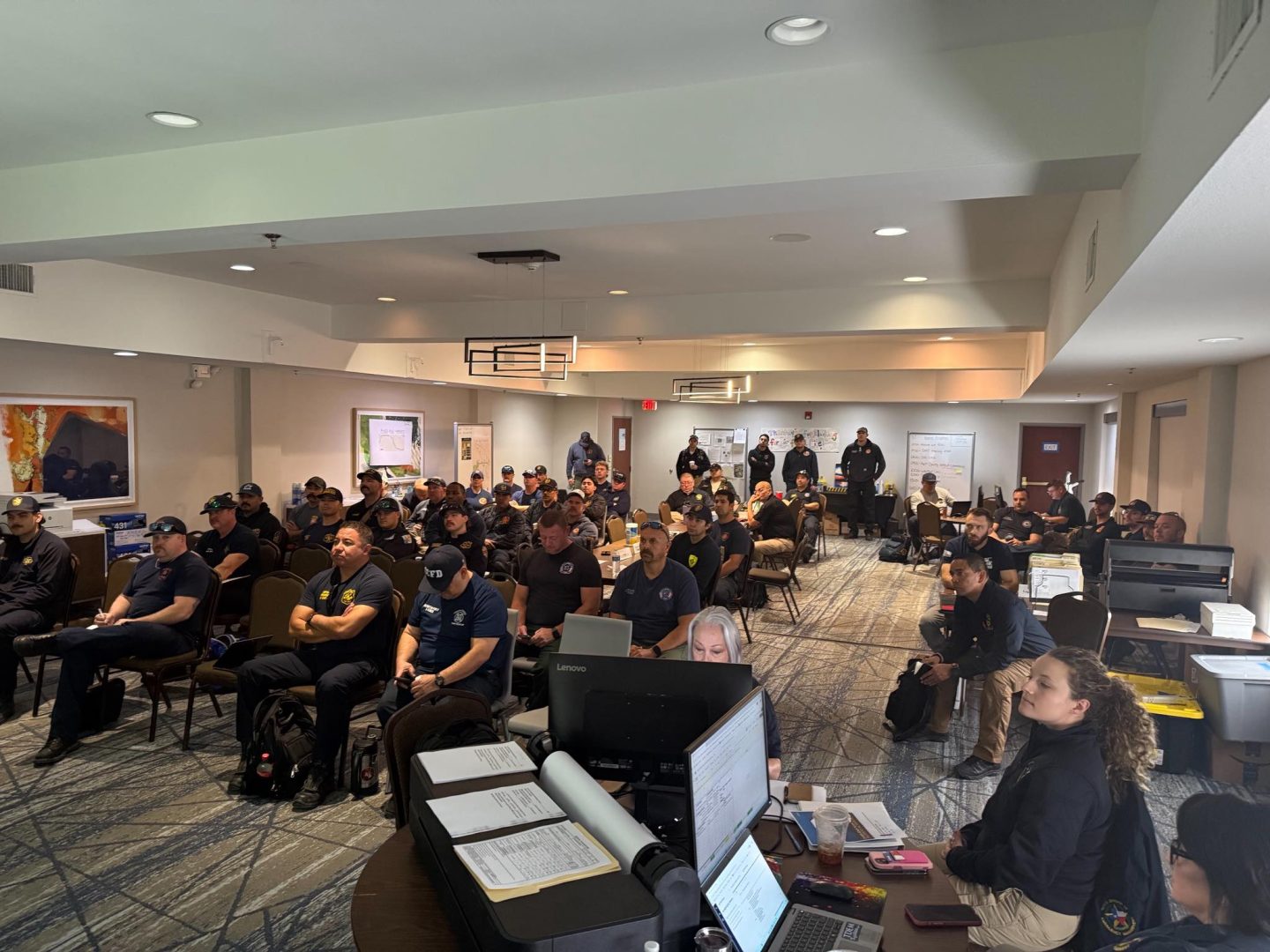
All Hazards personnel deployed on state assignment receive today’s morning weather briefing.
State wildfire response resources are prepositioned across Texas to support the needs of local officials with the ongoing threat.
On the ground and from the State Emergency Operations Center, during the day and throughout the night, Team Texas responders continue to work around the clock.
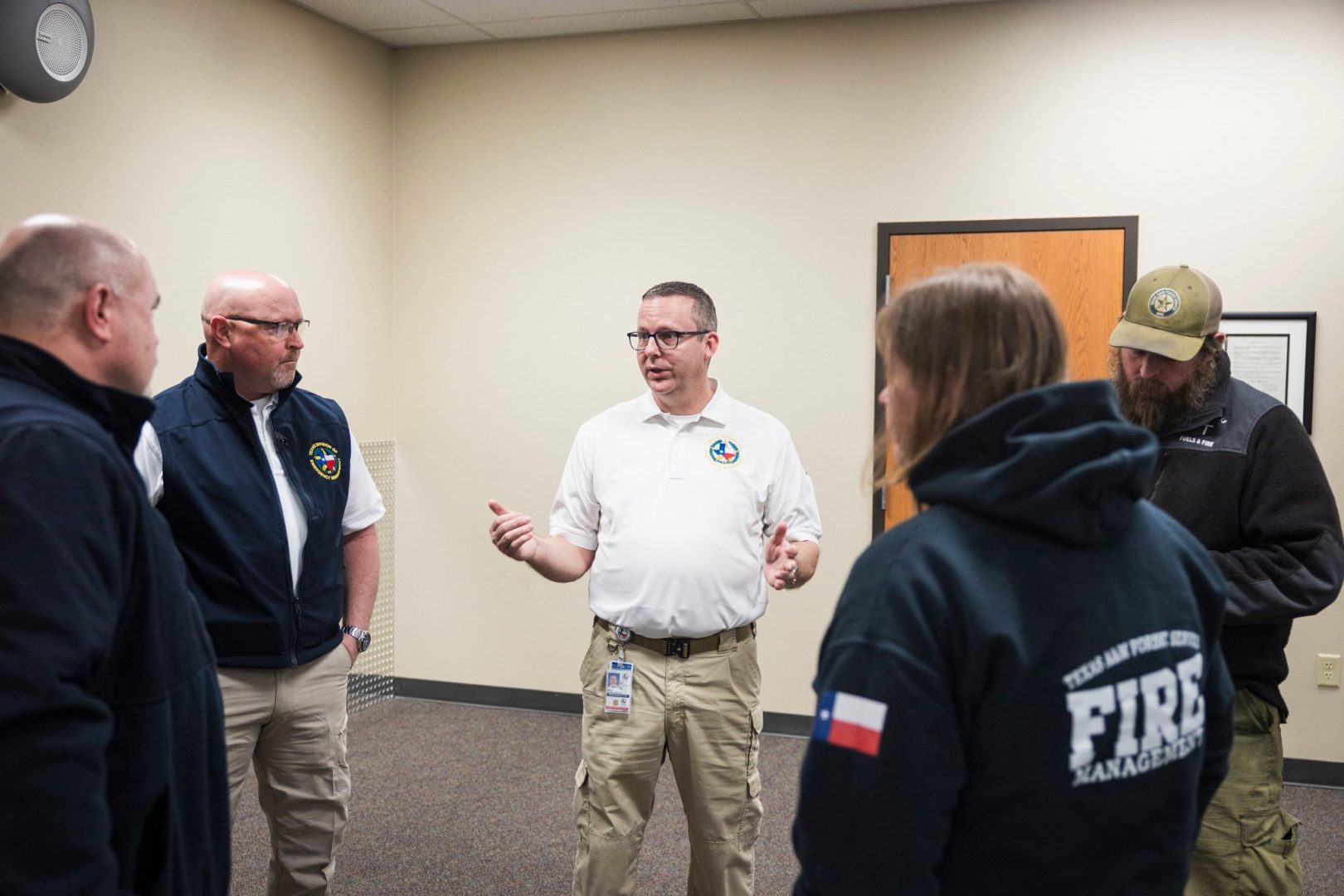
TDEM and the Texas Emergency Management Council agencies remain committed to supporting Texas communities impacted by wildfires.
Sources: Texas State Guard PAO – Texas Division of Emergency Management – Texas A&M Forest Service – MSN – MSN – Texas A&M Forest Service – Office Of The Governor (Texas) – Office Of The Governor (Texas) – Mercury News